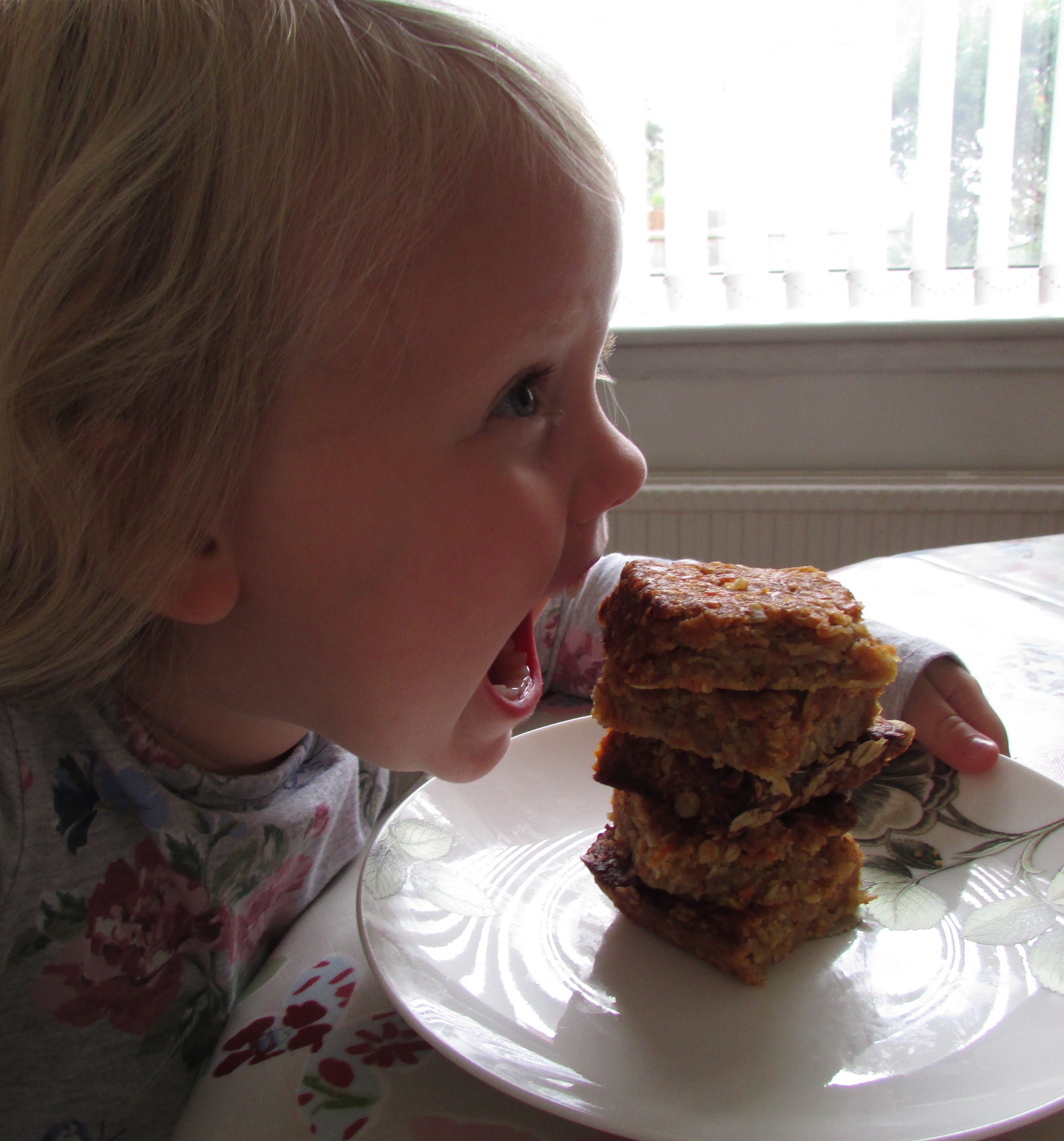
Category Archives: Frugal family recipes

Here’s where I’ll post all my family recipes that cost around £3 to cook.

Frugal flapjack recipe

We love oats at home and eat porridge most days for breakfast. It’s warming in the Winter weather and keeps you full until lunch time.
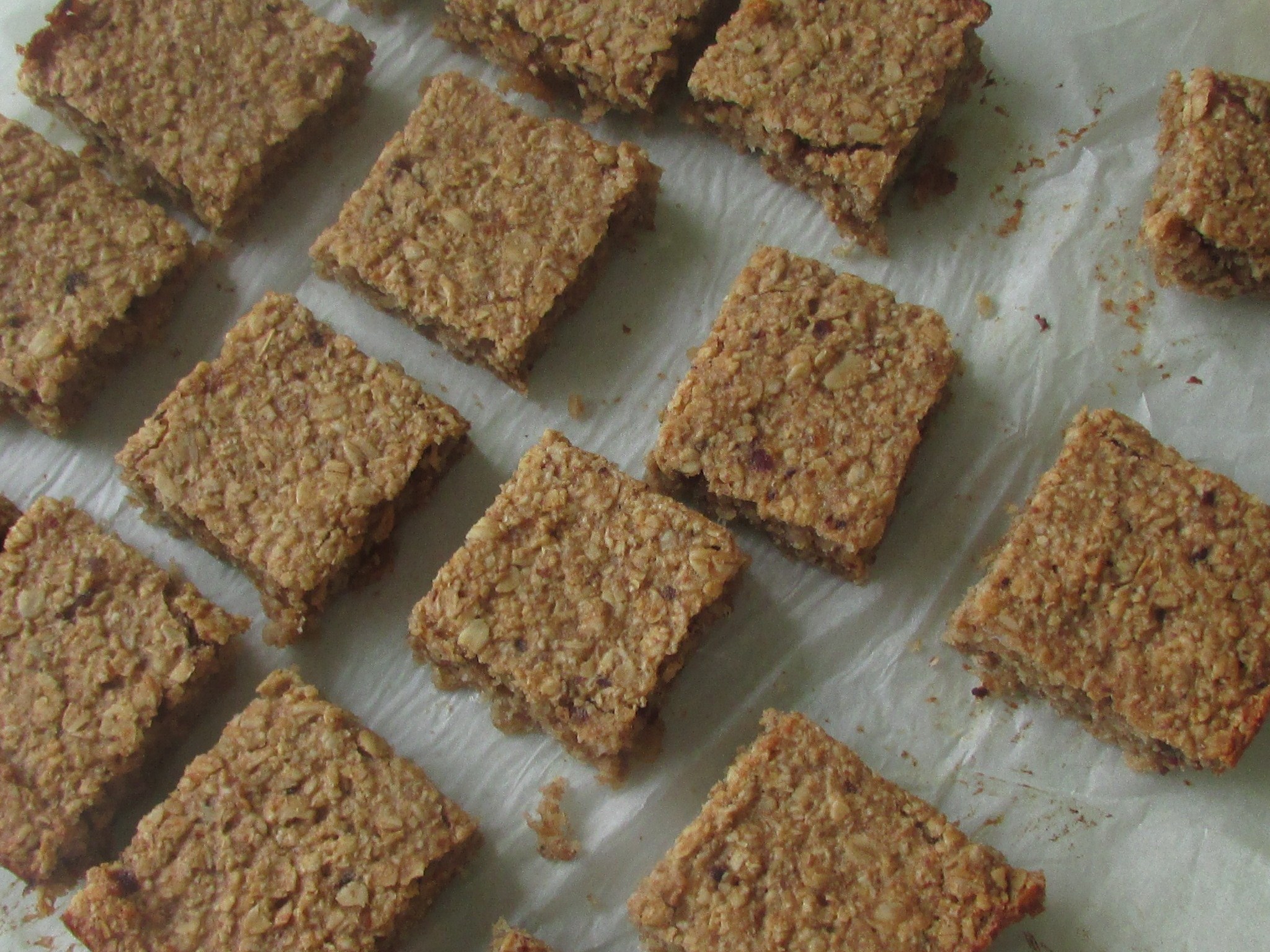
Frugal flapjack recipeOats are a modest grain yet highly nutritious! One cup of oats will supply nearly 70% of your daily needs for manganese, a mineral that helps enzymes in bone formation. You’ll also get a generous helping of vitamin B1, magnesium and potassium.

Among all grains, oats have the highest proportion of soluble fibre. This type of fibre absorbs water and substances associated with high blood cholesterol on transit in the gut. Studies show that people with high cholesterol who eat just 3 g of soluble fibre per day can reduce their total cholesterol by 8%!

Also good for digestion, this insoluble fibre in oats sweeps like a broom through the intestines, moving food effortlessly along and helping to prevent constipation. Studies show that people with reflux and heartburn who eat a high fibre diet  experience fewer symptoms.

If you’re not a fan of porridge you may want to try this simple flapjack recipe to receive the benefits of oats. This recipe is super easy and can be made and cooked in under 30 minutes flat. Here’s the recipe……

  • 125g soft butter
  • 100g sugar
  • 2 tablespoons golden syrup
  • 250g oats

Flapjack recipeCombine all the ingredients in a bowl and mix thoroughly. Line a 9 x 15 inch baking tray with baking paper. Press in the oaty mixture until spread evenly over the baking tray. Place in a pre-heated oven (gas mark 5, 190C) for 20-25 minutes or until golden brown all over. Allow to cool before slicing into 24 chunks.

Sometimes I like to add 1 grated carrot to the mixture, it gives the flapjacks a beautiful orange colour and contributes to our 5 -a-day!

How are we doing on Budget?

Butter 125g = 50p
Oats 250g = 20p
Sugar = 12p
Golden syrup = 20p

Total = £1.02 for 24 flapjacks (4p a flapjack)
Spinach Dahl & Rice

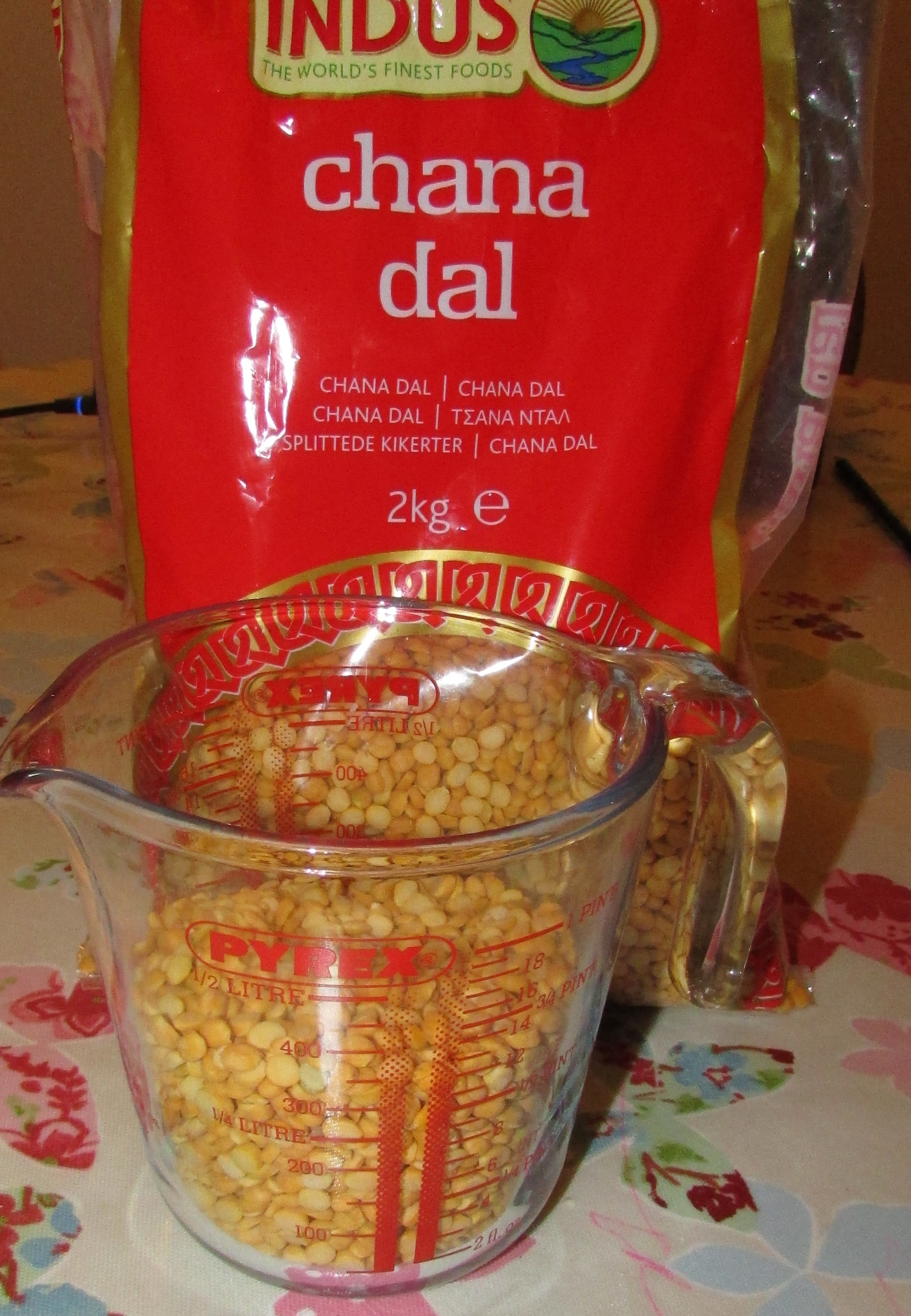
Yellow split pea channa dahlIf you’ve not visited Tahmid Stores at 53 Cowley Road, Oxford, I urge you to do so. This independently own Indian/Bangladeshi supermarket stocks Halal meat, a huge range of ethnic groceries as well as fruits and vegetables at very competitive prices. You can tell they are passionate about food simply by the diversity of their product range and the quality of their products. You can buy wholesale items such as 20 kilos of Basmati Rice that makes small packets of supermarket rice seem extortionately priced. Whilst this quantity may take you a year to get through, if you team up with a few friends and split the cost you get yourself a tidy deal.

This family recipe that we ate for dinner last night cost less than £2 to make for 4 people, and there was enough left over the next day for my husband to take for lunch at work. Here’s the recipe:

Frugal Dahl and Rice recipeEasy Spinach Dahl

1. First rinse and then soak 250g dried yellow split peas or channa dahl.

Soaking peas overnight in water shortens their cooking time. But soaking isn’t entirely necessary. Split peas cook relatively quickly. Unsoaked peas take from 1 to 2 hours of simmering; soaked peas take about 40 minutes.

2. Discard the water and boil the peas in 1 litre of fresh water with 1 tsp of salt. Split peas absorb lots of water as they cook, so check the soup often and add liquid as needed.

3. In a frying pan fry 1 small onion, 3 cloves of garlic, 1 dried chilli and a tablespoon of garam masala for a couple of minutes.

4. Once the peas are very tender and soup like add in 300g of tinned or frozen spinach and cook for another 5 minutes.

5. Add in the fried onion and spices and season with salt, pepper and the juice from a lemon.

6. Serve with Basmati rice and a dollop of natural yoghurt.

How are we doing on nutrition?

Split peas are a very good source of cholesterol-lowering fibre. Not only can dried peas help lower cholesterol, they are also of special benefit in managing blood-sugar disorders since their high fibre content prevents blood sugar levels from rising rapidly after a meal. Split peas also provide excellent amounts of molybdenum, manganese, copper, folic acid, vitamin B1, phosphorus, vitamin B5, and potassium with one cup providing nearly 50% of your RDA for all these vitamins and minerals. Coupled with rice, split peas provide all the essential amino acids to form a complete protein. Spinach (as does all green leafy vegetables adds more minerals, this time magnesium and calcium for strong bones and iron for your blood. If you season with lemon juice, the vitamin C from this fruit makes the iron more easily absorbed. All in all, it’s no wonder that Dahl and rice is an Indian staple.

And budget?

250g Yellow split peas = 26p
1 lemon = 30p
Spinach = 60p
Garlic = 20p
Garam masala, chilli, salt and pepper = 20p
Rice = 40p

Total = £1.96 for 4 people


Spaghetti Squash with parsley garlic butter

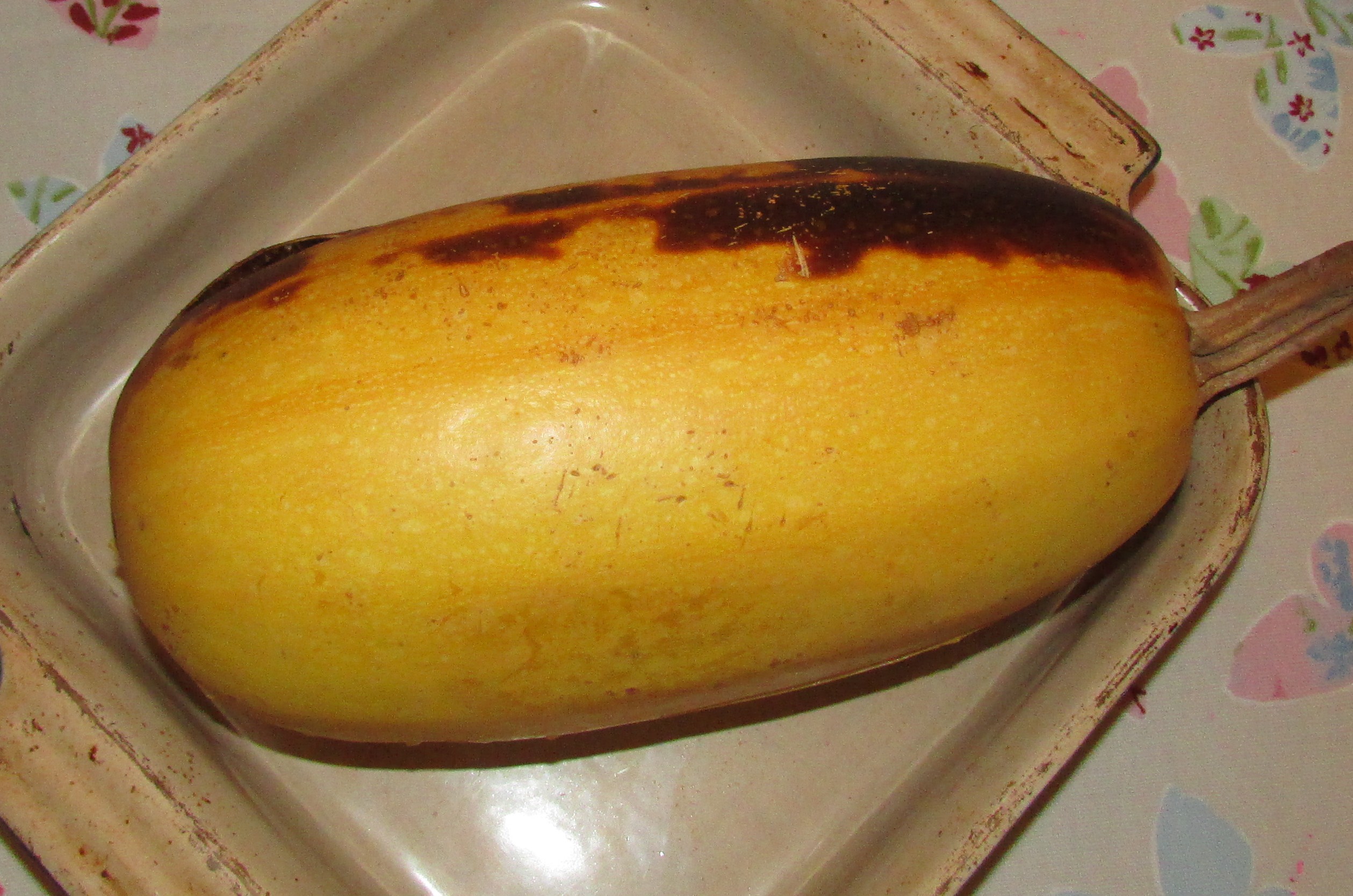
Spaghetti squashThis big yellow squash is heavy, hard to peel and hard to cut (careful of your fingers).  Yet it will be one of the easiest vegetable dishes you can make. Just place it on a baking tray and pierce a few times all around with a sharp knife or skewer. No cutting, or peeling, no marinating or massaging, just put it in a medium oven whole (gas mark 5/180C/375F) for one hour.

spaghetti squash 2If you haven’t got the time, cut it in half and place face down on a tray in the oven for 30 minutes. You’ll know when it’s done when you can pierce it easily without resistance with a knife. Let it cool, then slice open and rake out the seeds. Then use your fork and scrape away at the amazing spaghetti strands that appear! If it seems really hard to scrape out the squash, return to the oven for another 10 minutes. One squash feeds lots of people and it’s really filling.

Spaghetti squash with parsley garlic butterIn a saucepan fry lots of garlic in a little butter or olive oil and throw in a bunch of parsley or sage (or any other herbs you have to hand or even better growing in the garden?!?). Add the spaghetti squash strands and season with salt and pepper. If you have any strong cheese handy like Parmesan, grate a small sprinkling on top. Serve with salad leaves, or for an even more frugal accompaniment freshly picked dandelion leaves, which are spicy and peppery just like rocket.

How are we doing on the Nutritional content?

You’ll get small amounts of almost every essential vitamin from eating spaghetti squash. Vitamin C, A ( in the form of beta-carotene) and B-6 are the vitamins found in highest concentration of which you’ll find 100% of the RDA in just 1 cup of baked spaghetti squash. Vitamin C plays a role in the growth and repair of body proteins, aids in wound healing and supports your immune system. It’s also an antioxidant that helps defend your body against harmful free radicals. Vitamin B-6 is involved in over 100 enzyme reactions in your body, including energy metabolism and haemoglobin production, according to the Office of Dietary Supplements. Vitamin A is key for good vision, a healthy immune system, and cell growth.

Every essential mineral is found in the flesh of spaghetti squash. The mineral potassium plays a part in building muscle, metabolising carbohydrates and maintaining proper muscle function, and blood pressure. It also helps to regulate fluid balance and the acidity, or pH, of your blood. Spaghetti squash also contains the minerals calcium, phosphorus, magnesium and sodium.

1 cup of fresh Dandelion leaves supply over 100% of the RDA of Vitamin A and K and a large proportion of the RDA of folic acid. Best of all they’re considered a weed and so grow abundantly every where and are absolutely FREE!!!

How’s the Budget?
Spaghetti squash – £1
Garlic, butter, herbs – 20p
Dandelion leaves – free
50g Parmesan cheese – 50p

Total = £1.70 for a family of 4