Sprouting chickpeas

I love sprouts and have often bought a pot of mixed sprouts from health food stores, but I’ve never attempted my own. Why I’m not entirely sure, but it’s probably because I consider sprouting like having a mini garden inside and I’m always the first to kill a pot plant.

Despite my trepidation I gave it a go, and I Chickpea sproutshave to say, sprouting chickpeas this week was probably one of the most enjoyable gardening sessions I’ve every had. Plus, I didn’t even have to buy any fancy equipment or even put on some gardening gloves! My kind of gardening.

When you sprout chickpeas it reduces the phytic acid content by about 40%.  This means that you absorb a lot more of the minerals and protein that chickpeas have to offer.

In fact, one serving of sprouted chickpeas contains 105mg of calcium, 115mg magnesium, 366mg of phosphorus, 875mg of potassium, and a whopping 557mcg of folic acid. As well as trace amounts of iron, sodium, vitamin C, thiamin, niacin, vitamin B-6 and vitamin K. Nutritious stuff!

Sprouting chickpeas is easy –
  • Rinse and soak 1 cup of dried chickpeas overnight.
  • In the morning drain and rinse the chickpeas thoroughly.
  • I just placed the drained chickpeas in a glass bowl and loosely laid a tea towel on top.
  • Every 8 hours or so I rinsed and drained the chickpeas in clean water. I also occasionally gave them a gentle shake to allow some air to get to all the chickpeas.
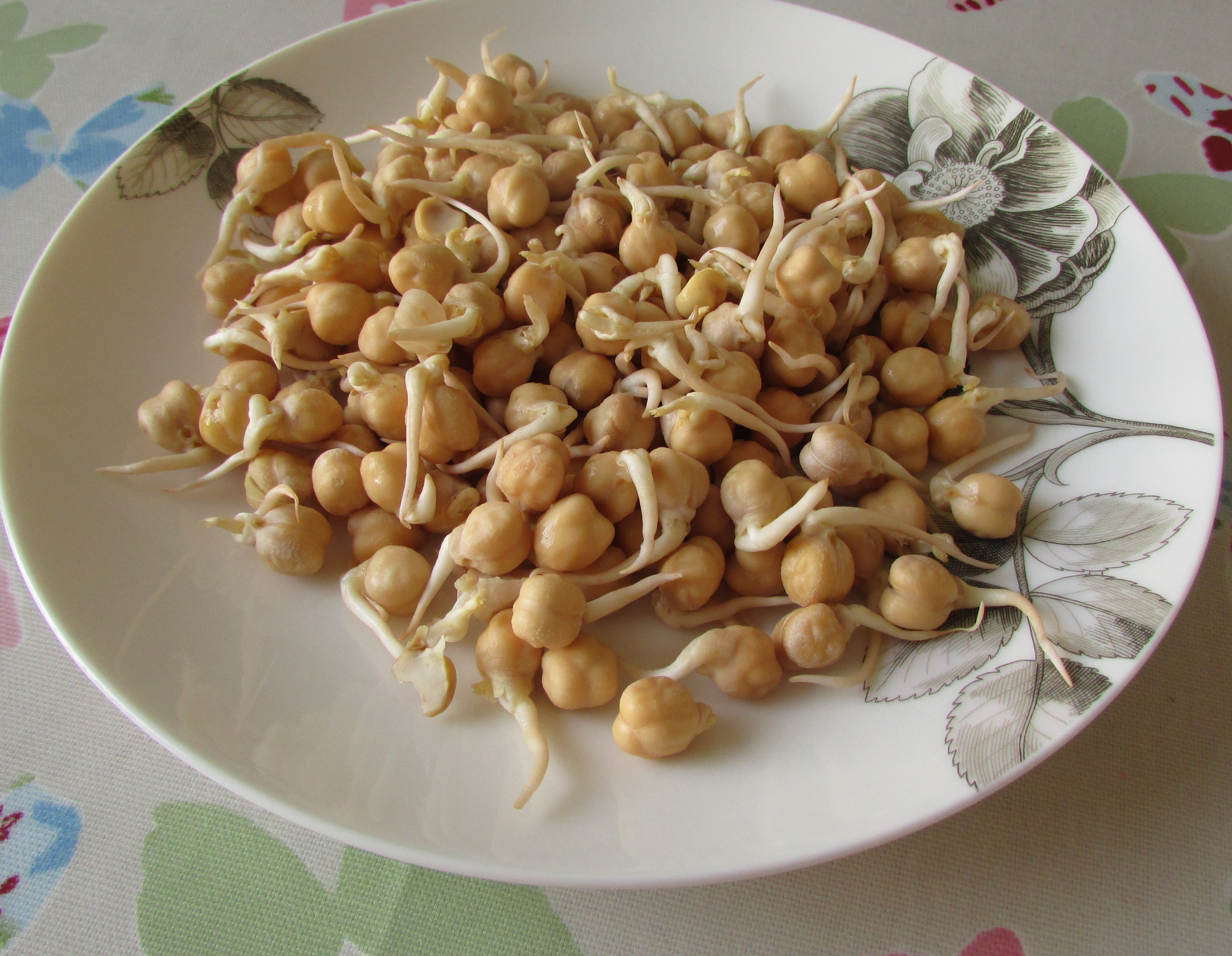
  • After just a few days they grew little tails.
  • After several days they looked like the picture.
  • When you’re satisfied with the length of tail, thoroughly rinse and drain the chickpeas and store in the fridge to stop them sprouting further. They’ll last about a week.

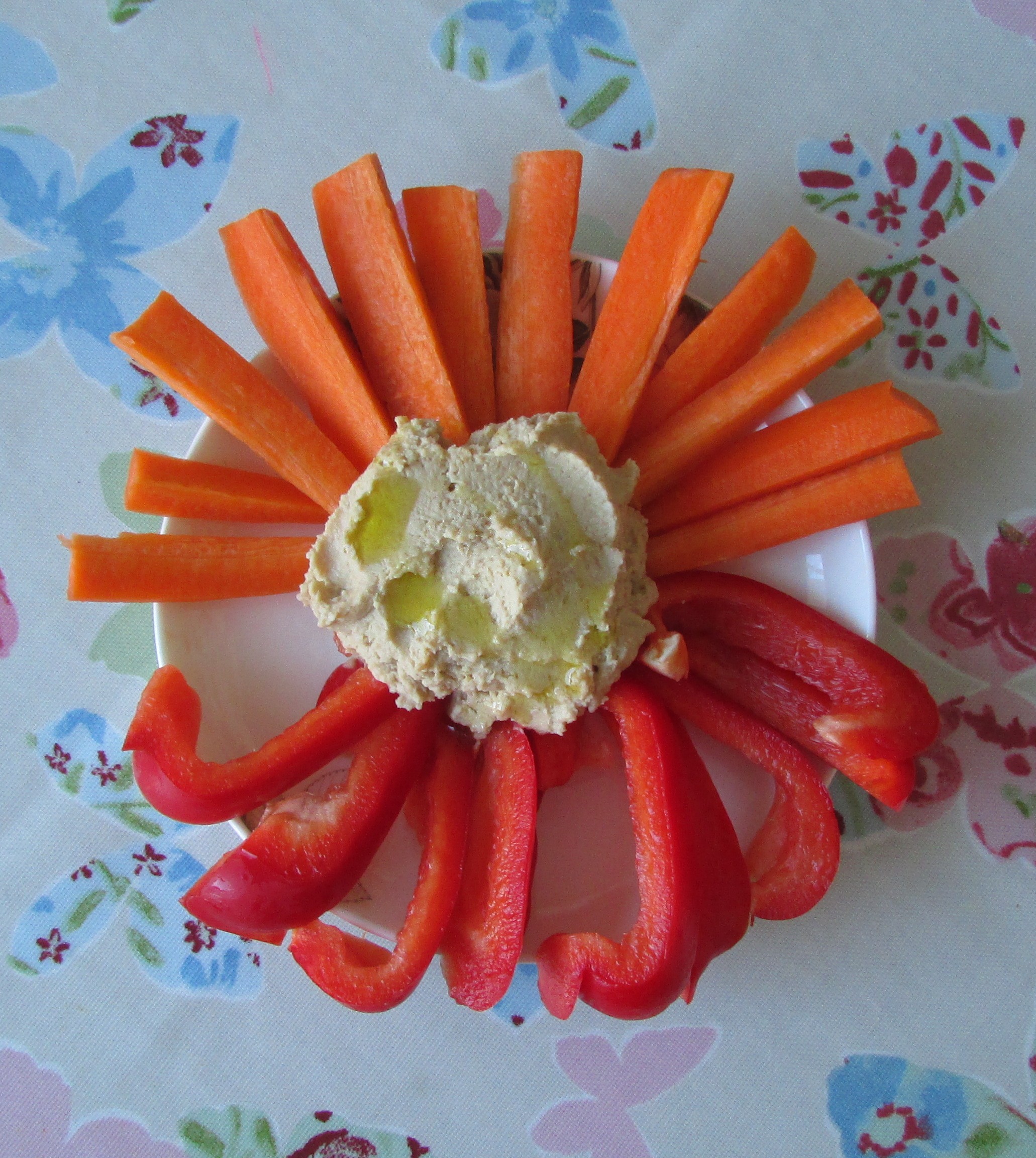
Frugal organic peanut butter hummusI love sprinkling sprouts on my salad, but I’m also going to try making raw sprouted hummus and a quinoa and sprout salad this week for some variety. I’ll post the recipes here.

These sprouted chickpeas coast 14p to make – but you can buy them for a few pounds in health food shops if you prefer!


Cheap and Easy Spinach Falafels

This is a quick, easy and healthy weekend lunch.  It would also make a great picnic addition, or lunch box snack.

Homemade gluten free greens falafelsThe combination of spinach greens, chickpeas and peanut butter makes this recipe great for getting your calcium quota.

1 cup of spinach has twice as much absorb-able calcium as a cup of milk. Chickpeas are also high in calcium, and peanut butter, which binds these beauties together, is just brimming with magnesium; which you need to insure that calcium is fully utilized. In other words, these Falafels are a perfect source of vitamins for strong healthy bones. Also a wonderfully versatile meal or snack for those of us that like to use our fingers to eat (which lets face it is most of kids and adults too). This recipe is a doddle and the end results are beautifully light fluffy green tasty morsels. Here’s the recipe:

Put 4 tbsp of oats in a blender and whizz until they turn to flour consistency. Add 200g of Spinach with 1 drained and rinsed 400g tin of chickpeas (or to be more frugal soak 120g of dried chickpeas overnight and boil for 1 hour). Squeeze in the juice of a whole lemon, and add 1 tsp of cumin, a pinch of salt, 3 cloves of garlic, 1.5 tbsp peanut butter and a handful of fresh herbs (I used coriander and fresh mint from the garden). Blend until it forms a smooth paste. If your blender is having trouble cutting through all this fibre add a dash of warm water to get things moving. Once your batter is formed roll it into balls and place on a greased baking tray. My mixture ended up a bit wet, so in the end I spooned quinelles (like they do on masterchef) of the mixture onto the baking tray. Bake on a moderate to high oven( Gas mark 6 / 200C / 400F) for 25 minutes until they are crispy on the outside but still gooey in the middle. Serve with lashings of home-made hummus either on their own, or with salad – delicious!

How much do they cost to make?

120g dried chickpeas = 14p
peanut butter = 20p
Oats = 20p
Spinach = 50pHerbs, garlic, salt & pepper = 20p

Total = £1.24 for 12 falafel.

Food waste in the UK is getting out of control

Almost 50% of the total amount of food thrown away in the UK comes from our homes. We throw away 7 million tonnes of food and drink from our homes every year in the UK, and more than half of this is food and drink we could have eaten.

There was an interesting article in the Daily Mail on Thursday so it became a hot topic for conversation.

Wasteful Brits bin 6 meals every week: £12bn of food thrown away annually, MPs reveal

  • Average households could save £400 a year if they ate all they bought
  • Booming global population is expected to put supplies under pressure 
  • Half of the UK’s food waste – about seven million tons – occurs in the home 

I spoke with Howard Bentham at BBC Radio Oxford on Thursday. Here’s the interview if you’d like to listen.

https://www.youtube.com/watch?v=i3OccY1y39o&feature=youtu.be

Cumin roasted pumpkin soup

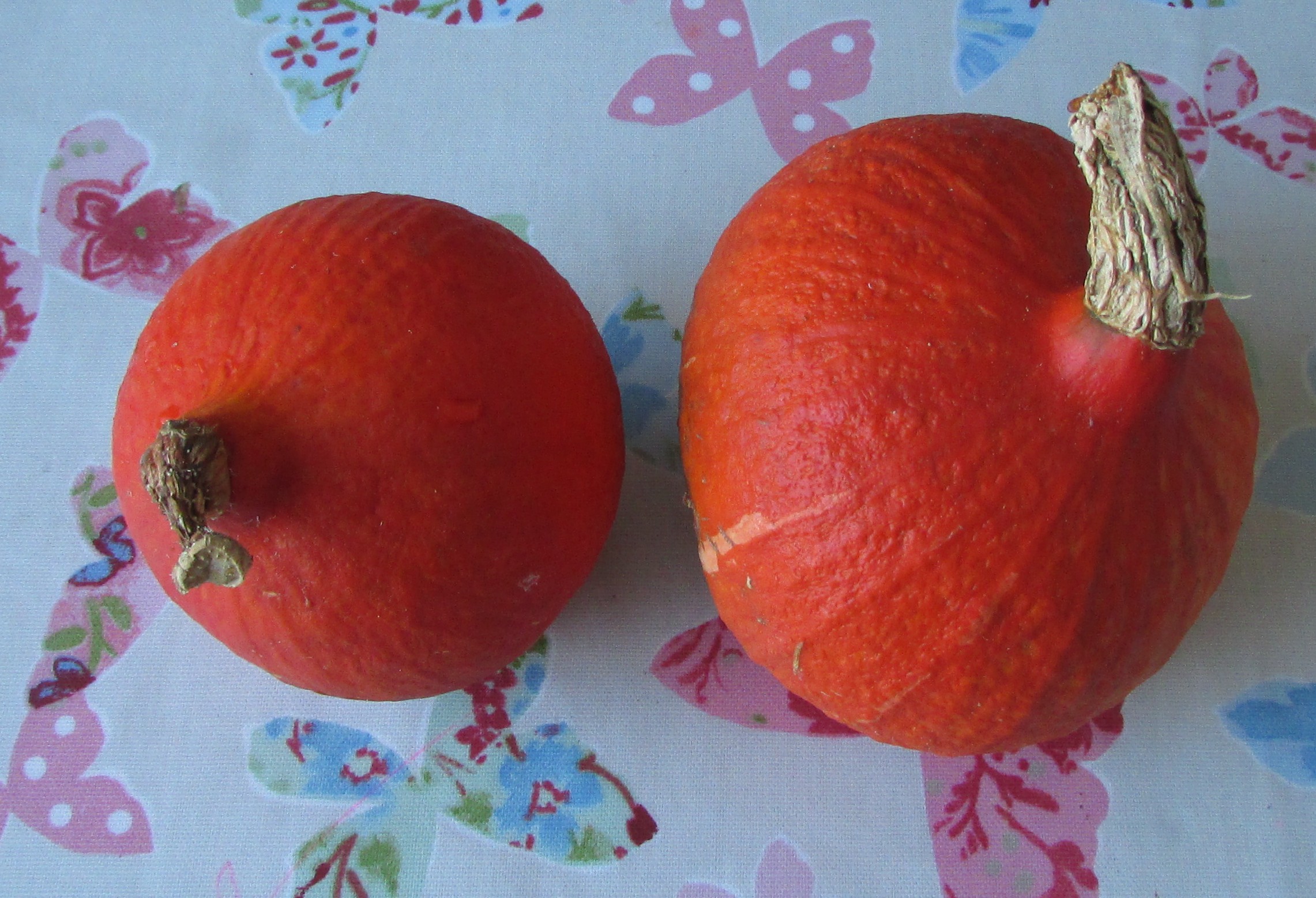
I love squashI love the sunshine that pumpkins bring to a Winters day. When I received two beautiful baby Squash in our Westmills Organic Veggie box I couldn’t resist a warming soup.

Squash and pumpkins are a perfect match for the spice cumin. It’s earthiness really complements the slightly sweet plump flesh. Together they create a meal that has a restorative quality. Now that I’ve discovered how easy it is to boil my used bones to make stock, the whole combination is a marriage made in heaven.

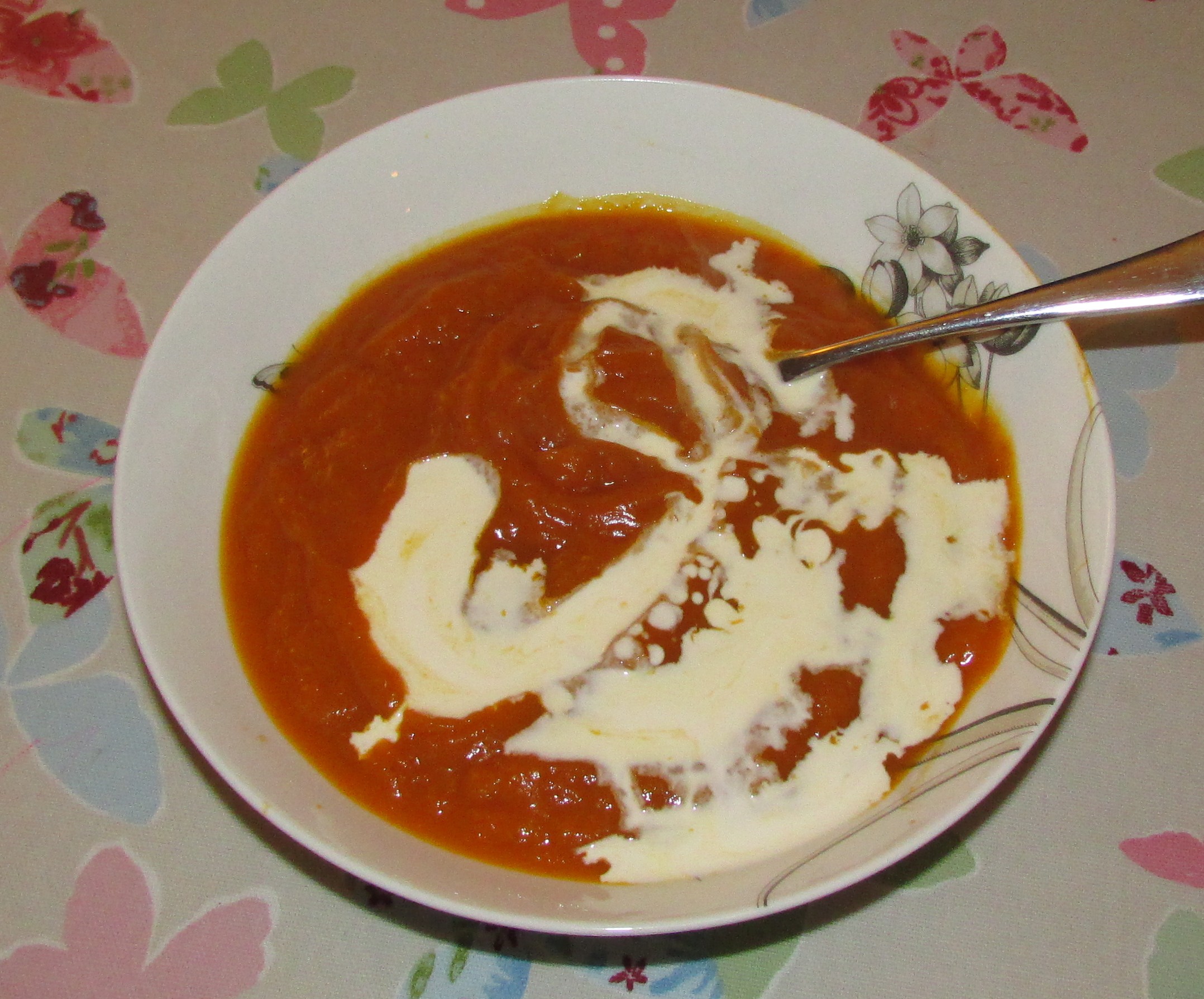
Roasted squash and cumin soupSquash are one of the most nutritious and healthiest vegetables you can eat, with a rich array of vitamins, minerals as well as lots of fibre. It has a high content of flavonoid poly-phenolic antioxidants such as leutin, xanthin, and carotenes which have cancer fighting properties and are good for eye health. It is also a good source of B-complex vitamins like folates, niacin, vitamin B-6 (pyridoxine), thiamin and pantothenic acid and rich in minerals like copper, calcium, potassium and phosphorus.

There’s nothing complicated about this recipe. Simply slice the squash in half, don’t bother to de-seed. Sprinkle with olive oil and a tbsp of cumin. Roast on a medium oven for 1 hour. The roasting brings out the natural sweetness of the squash as opposed to boiling which can wash away the delicate flavour.

Scoop out the pips and discard. Then scoop out the flesh and add them to your pre-prepared stock. Blitz with the blender and add salt and pepper to season. Best served on a cold day with a dash of cream or natural yoghurt. Hearty and delicious.

If you make your own stock from left over bones, this recipe can cost as little as £1 for 4 portions.


North Aston Organics Veggie & Fruit Box

We’re trying out North Aston Organics £10 Veggie & £5 Fruit Box this week.

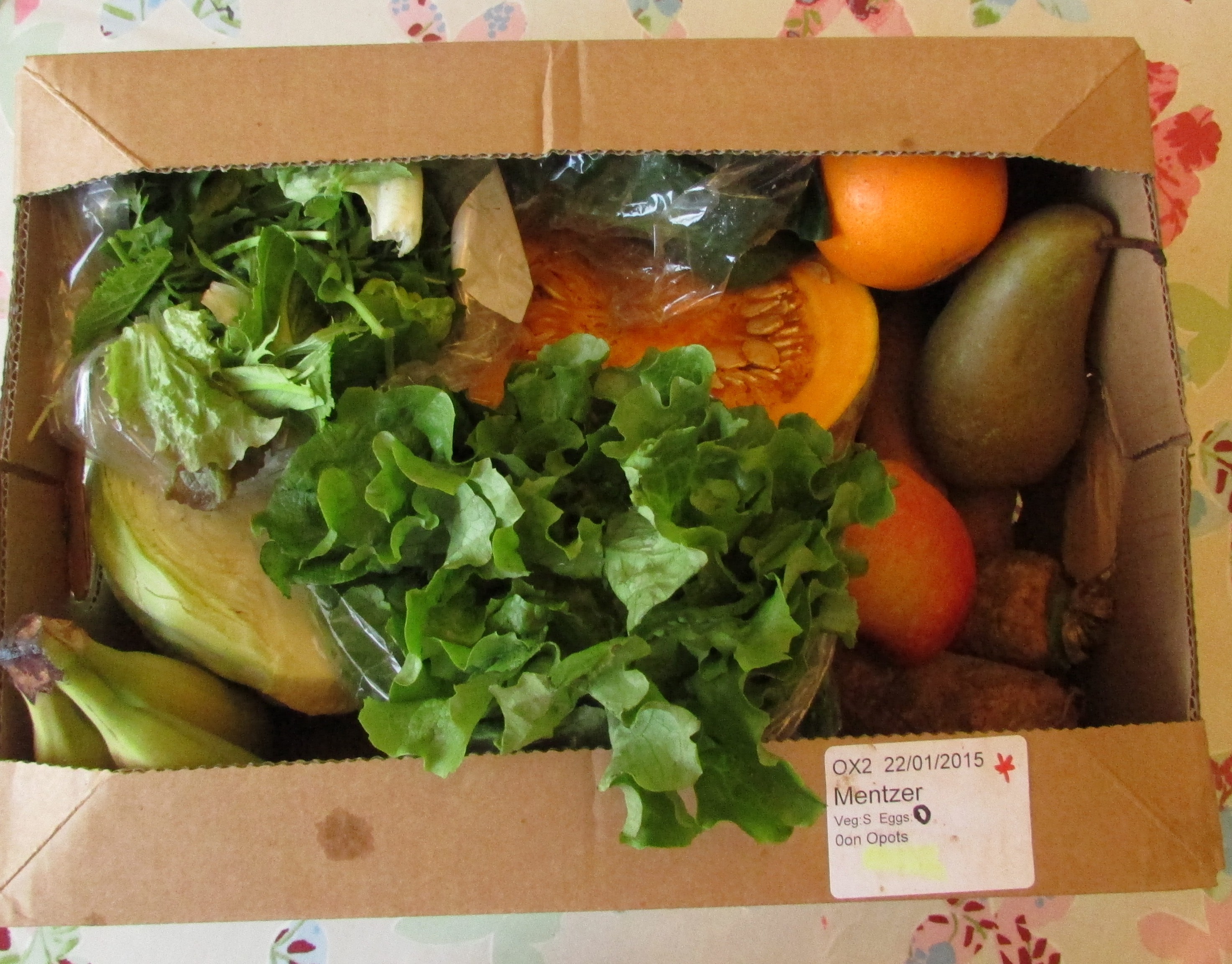
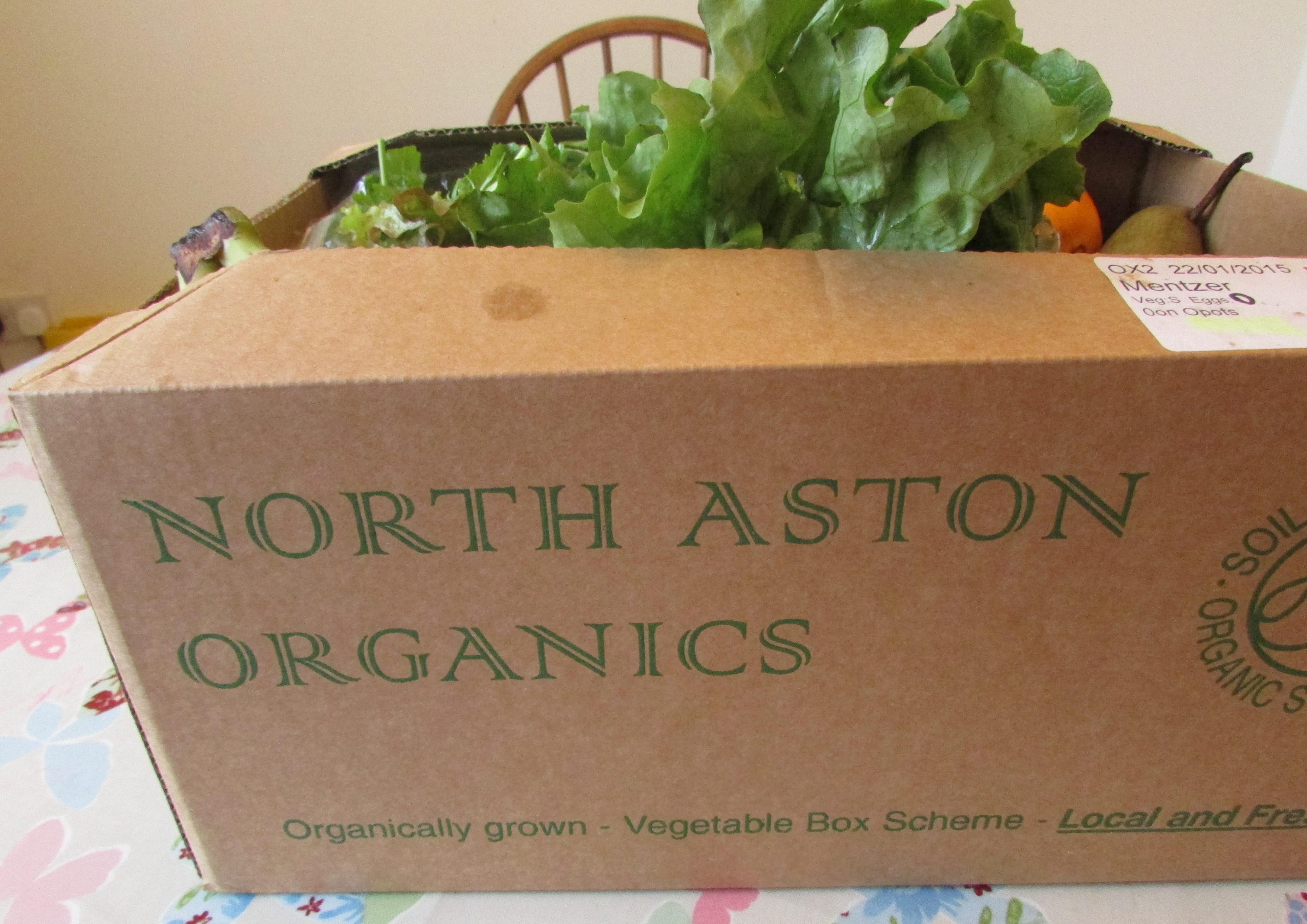
North Aston Organics Veggie BoxI had to pick it up from a secret location in Cowley last night which was exciting. You get a 50p discount if you collect.

I was over joyed to see lots of beautiful greens and lettuce in the box. We’ve been craving salad these past few weeks. The box also contained parsnips, carrots, 1/2 a cabbage, 1/2 a pumpkin, true spinach, 1 large lettuce and a bag of mixed lettuce and herb leaves. The fruit bag contained oranges, apples, pears, bananas and a kiwi. I like the idea of 1/2 portions of larger veg as I often struggle to use a whole cabbage! Very sensible indeed.

I’m planning a Roast on Sunday so will probably keep the parsnips and carrots for then. I’m also thinking about making home made pesto with the spinach, some roast pumpkin soup, bubble and squeak with the cabbage. Plus I’ve been sprouting chickpeas this week for the first time and they’ll make a lovely accompaniment to the salad leaves with some crumbled feta, olive oil and lemon juice. It’s also fantastic to have a variety of fruit as we’ve been living off satsumas and apples for the past few weeks.

Here are the details

North Aston Organics Veggie Box 2There are four different sizes of veggie box priced at £6.50, £10, £14 and £18.50. The £10 box is good for 2 adults and the £14 box would suit a small family. You can also get a small or medium fruit bag for £5 or £6 respectively which usually contain apples, oranges and bananas plus two other fruit. Organic eggs are also available. One plus is that you can also tailor your box to your likes and dislikes.

75% of the box contents are grown on the Farm. Other produce is bought in from other organic growers so that a wide variety of specialist items can be provided. They have a no air freight policy.

The drop off points in Oxford are Wolvercote, Marston, Cowley Road, Magdelen Road, Jericho, Botley, Summertown and St Clements, as well as delivering to towns and villages throughout northern Oxfordshire.

If you’d like to order a veggie box visit their website here. Alternatively call on 01869 347702  or email info@westmillorganics.co.uk and ask for Mary.

Deliciously warming French Onion Soup

I’m fighting a cold. It’s the first one I’ve had all Winter. I’m winning at the moment but I don’t want things to deteriorate, so I must have an action plan.

French onion soupI don’t have fancy supplements or expensive Super Foods like acai or blueberries but I do have an Allium Family Army made up of onions, shallots and garlic.

Onions may possibly be one of the healthiest foods on Earth. They contain quercetin, a nutrient that breaks up mucus in your head and chest while boosting your immune system. When the smell of raw onions makes your nose run and your eyes tear up, this stimulates your immune system to fight infection.

Onions and garlic also contain allicin, which slows down and kills a variety of viruses and bacteria. The pungency of onions and garlic increase your blood circulation and make you sweat. This helps to prevent infections and allows you to sweat out a cold or flu. Consuming fresh raw white onion and garlic within a few hours of the first symptoms of a cold or flu is when you’ll get the strongest immune effect.

French onion soup 2I’m not into eating a bunch of raw onions and garlic, nor would my husband like the smell on my breathe that much, but I’m quite happy to have a good cry whilst peeling them. When onions are cooked to make soup, their quercetin does not get degraded. It simply gets transferred into the liquid part of the soup. If you allow garlic and onions to simmer slowly in some home-made beef stock they become deliciously sweet and savoury. Here’s the recipe…

French onion soup

I like making my own stock from beef bones boiled in water and seasoned with salt, pepper and bay leaf. Alder’s Butchers on Cowley Road will sell you a huge bag for just £1 with the proceeds going to charity. However, if you prefer you can always buy pre-prepared stock.

Finely slice 4 large onions and 2 cloves of garlic. Place them in a heavy duty sauce pan with 50g of butter and 1/2 tsp of salt. Allow them to cook very gently, stirring occasionally for about 45 minutes. During this time the onions with caramelise at the bottom of the pan. This is what give the sweet taste to the onion soup and should be encouraged, but do not allow them to burn. Once the onions are ready add in about 750ml of beef stock. Gently simmer again for another 30 minutes until everything is infused. If you have any leftover red wine, port or sherry this can also be added but it’s not necessary. Taste and season with salt and pepper. Serve with a grating of strong cheese and crusty bread. Warming and nutritious!

This is easy on the budget

4 large onions = 40p
Beef stock = £1
Butter, sugar, salt pepper = 25p
cheese = 50p

Total = £2.15 for 4


Budget Chickpea Chocolate Brownies

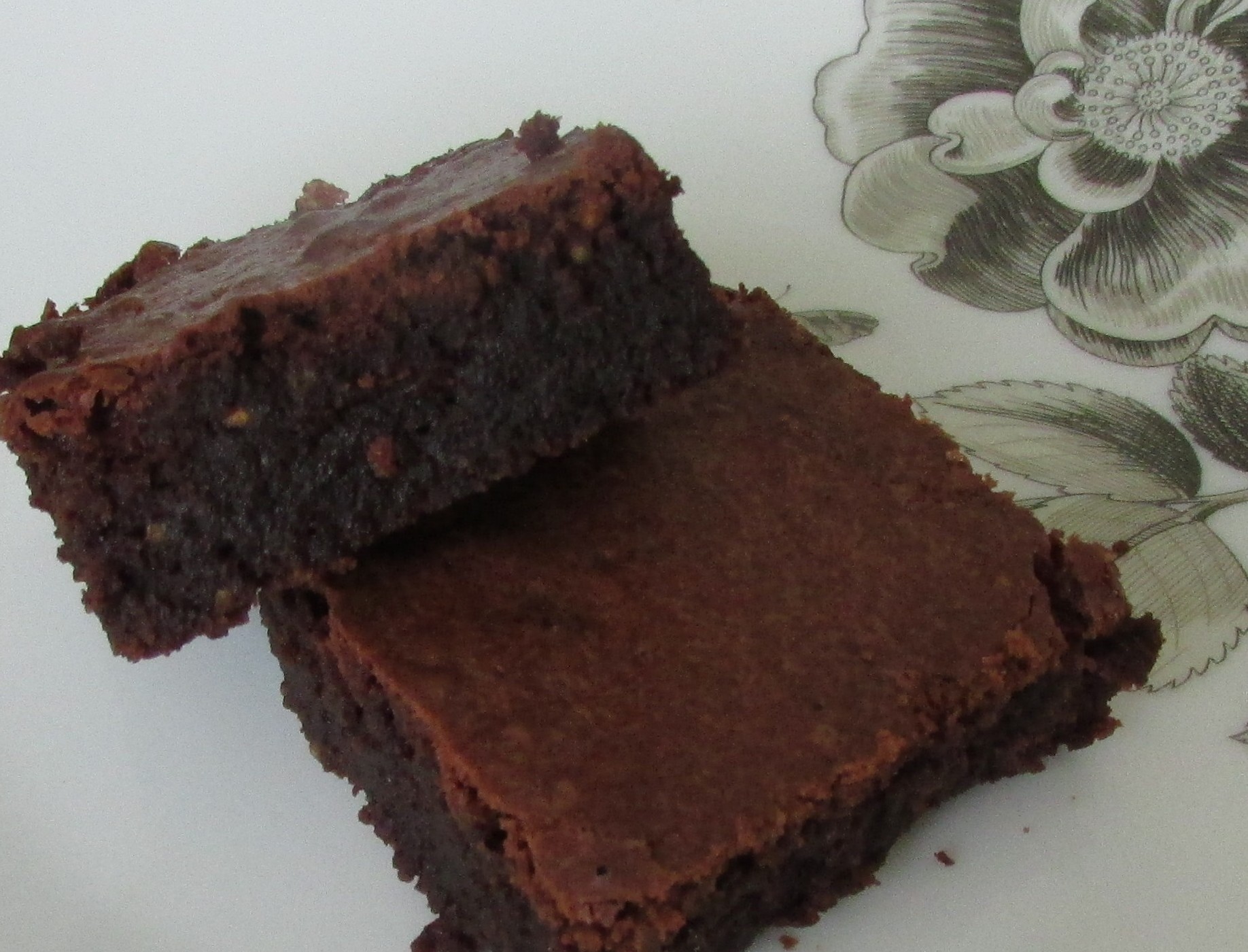
chickpea browniesI like to make a batch of something sweet for the week, and this is a family favourite.

Now, I know that chickpeas aren’t supposed to go with chocolate, but this recipe is one of the best brownie recipes I have EVER found and nobody can tell the difference! I’ve tried it out on many different friends and their children and it is always a hit. Occasionally, I may put some nuts, raisins, dried cranberries or cherries in to create some texture, but they are seriously pleasingly decadent just on their own.

Plus chickpeas are high in fibre and iron; great for growing children. A good source of protein for vegetarians, and have been shown in research to lower LDL (bad) cholesterol. What could be better! Here’s the recipe –

Chickpea chocolate brownies

Melt 100g of dark chocolate with 150g of butter. Whisk 3 eggs with 200g of castor sugar. Add 80g of chickpea flour and 3 tbsp of cocoa powder. Finally, pour the melted chocolate/butter mixture into the egg/flour/sugar mixture and stir well. Grease a 20 x 30 cm baking tray very well and pour in the mixture and spread evenly. Bake in a pre-heated oven (175°C/350°F) for about 25-30 minutes, test with a toothpick to make sure they’re cooked through. Leave to cool before cutting into 24 chunks – delicious!

….and the cost?

100g Chocolate = 30p (Tesco basics)
3 eggs = 60p
150g butter = 60p
80g Chickpea flour = 15p
Cocoa powder = 20p

Total = £1.85 = 7p per brownie

When eating frugally don’t compromise on fat

It has just been brought to my attention by a reader (thanks Nina for pointing this out), that I only use butter and olive oil in my recipes despite vegetable oils, sunflower oils and margarines being cheaper. I just want to explain why….
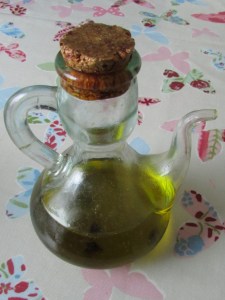
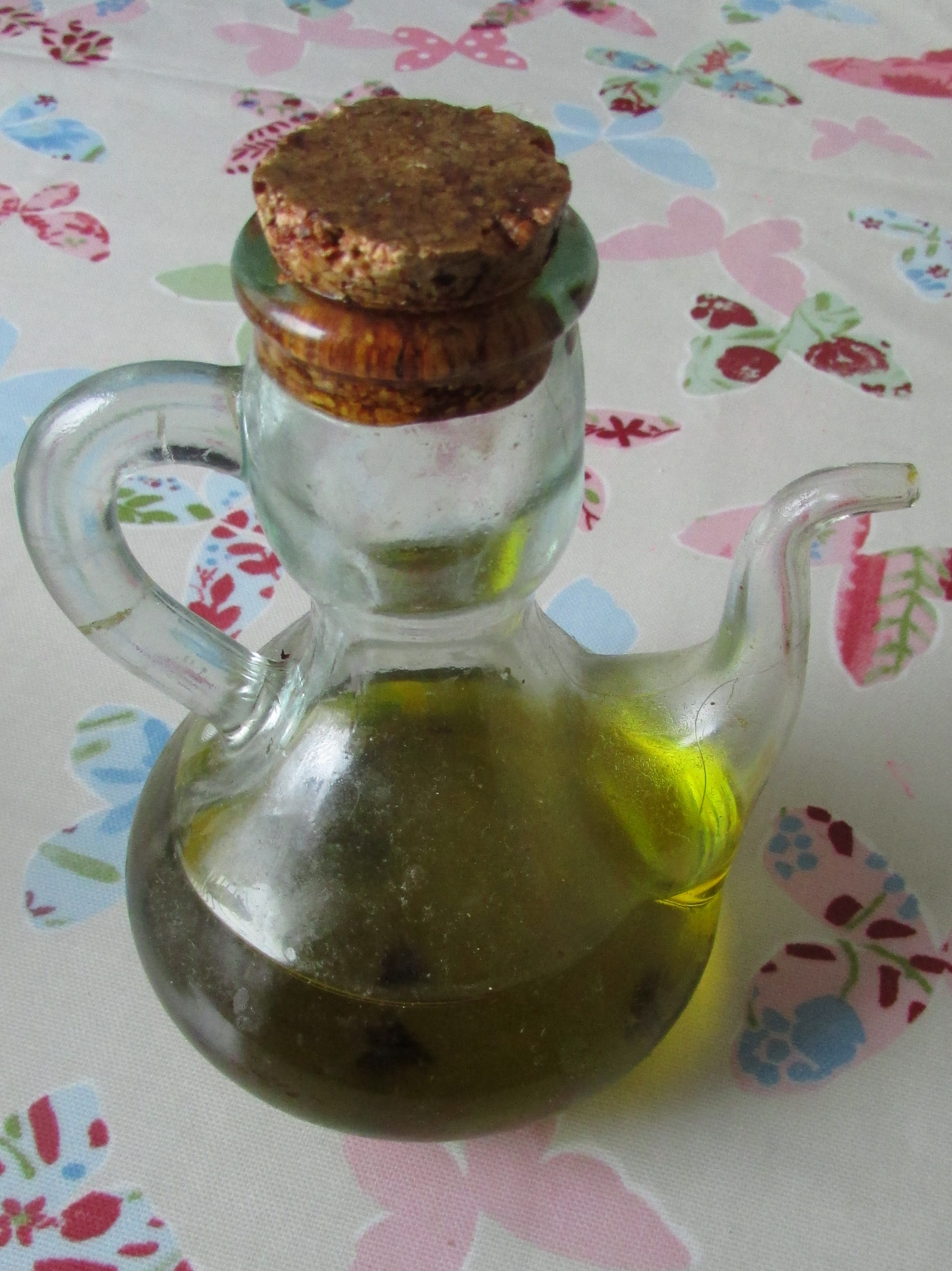
Olive oilI know for decades that we’ve been told that saturated fat in butter, full fat dairy and meat will make us fat and contribute to high cholesterol and heart disease. Whilst the likes of vegetable margarines and other sunflower spreads have been touted as the healthier option. Well it seems that we have got this all wrong. Research is now showing that these man-made oils can cause harm.

The oils that I’m talking about, extracted from seeds like Sunflower, Flaxseed, Soybean, Cottonseed, and a few others, were never available to humans until the 20th Century, because we simply didn’t have the technology to extract them in large quantities.

When technological advancements allowed it, these vegetable and seeds oils were extracted using high temperatures, bleaching, deodorizing and a solvent called hexane. Sadly these methods damage the delicate polyunsaturated vegetable and seed oils causing them to become rancid.

Hydrogenation, the process that turns liquid oils in to solid margarine, was also discovered and it was thought that we could create a healthier ‘butter’ using polyunsaturated vegetable and sunflower oils. The process became useful to the food industry because it extends the shelf life of food. As a result, hydrogenated oils are now included in all sorts of processed foods including ‘low fat’ salad dressings, butter replicates, mayonnaise, biscuits, cakes pastries etc. etc.

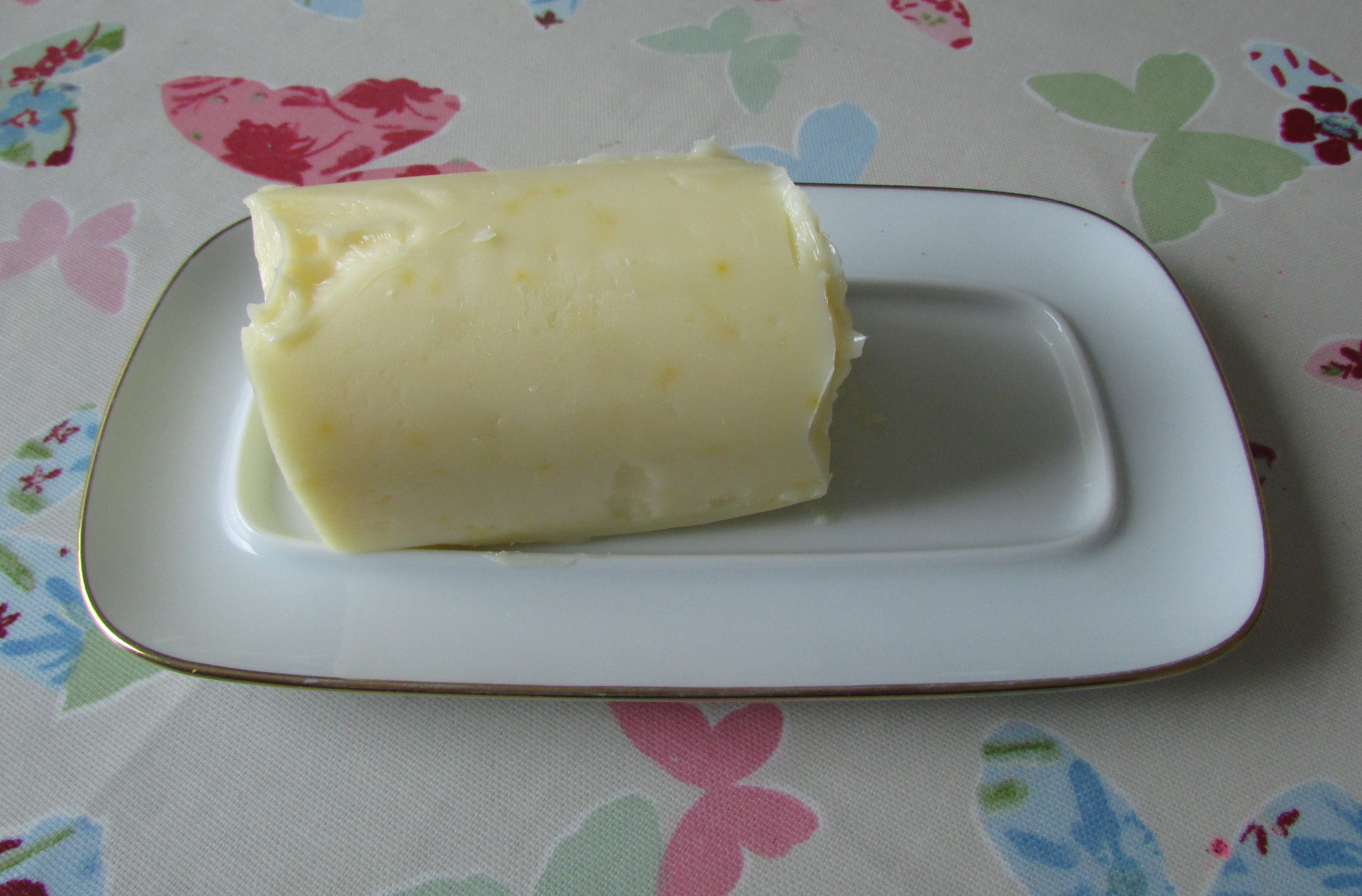
ButterHowever, the hydrogenation process changes the structure of the polyunsaturated oils in order to make them solid, causing them to become a Trans Fat – a type of man-made cholesterol. Research now shows that consumption of Trans Fats increases the risk of heart disease, raises bad cholesterol and promotes systemic inflammation and obesity, and that is why I suggest avoid them when pursuing a healthy diet.

By all means sprinkle raw sunflower seeds on your porridge and salads, but don’t use refined vegetable or seed oils unless they are of the cold pressed variety – which are very expensive.

Saturated fats on the other hand including butter, lard, coconut oil and olive oil are best for cooking, because they are the most stable at high heat and unlike polyunsaturated oils do not become damaged or toxic.

But isn’t too much saturated fat bad for your heart? I hear you cry. Yes I’m sure that overeating anything is bad for you, and I certainly would not recommend eating bacon and steak fried in butter every night. However, consuming saturated fat is not a new thing for man – it has always been a part of the human diet, and in moderation it can play an important role in health.

Did you know that…

1. Fat helps you absorb more vitamins.
If you eat your vegetables with a knob of butter or drizzle of olive oil, or your fruit with a spoonful of full fat yoghurt, you absorb more of the fat soluble vitamins in the fruit and vegetables that would otherwise pass through the body unabsorbed.

2. Low fat foods contain more sugar and chemicals.
Removing the fat out of food makes it unpalatable, so sugar and other chemical flavourings are added to improve taste.

3. We have fat receptor on our tongue
People that eat a very low fat diet don’t feel satiated and tend to eat more. This makes it difficult to lose or maintain a healthy weight.

4. Obesity levels have doubled in the last 35 years.
Since the introduction of processed oils and the ‘low fat’ diet 35 years ago, obesity levels have doubled.

5. We need saturated fat for strong bones.
Saturated fat is required for calcium to be effectively incorporated into bone.

6. Your brain is mainly made of fat and cholesterol.
A diet that skimps on healthy saturated fats robs your brain of the raw materials it needs to function optimally.

7. Cholesterol is the building block for sex hormones (testosterone, oestrogen, progesterone).
The production of sex hormones is important through all stages of life, from puberty, to the fertile years through to menopause.

8. There is actually no concrete evidence that demonstrates that saturated fat and cholesterol cause harm – this myth was built on hypothesis alone.

Over the past 30-40 years it has been so ingrained in our culture that saturated fat is bad for us that it’s going to take another few decades to get this message across. If you’d like to read more on this I recommend these articles in particular the one in the British Medical Journal.

Further reading

http://www.bmj.com/content/347/bmj.f6340
http://chriskresser.com/the-diet-heart-myth-cholesterol-and-saturated-fat-are-not-the-enemy

http://articles.mercola.com/sites/articles/archive/2011/09/01/enjoy-saturated-fats-theyre-good-for-you.aspx
 

Spring Greens Spaghetti

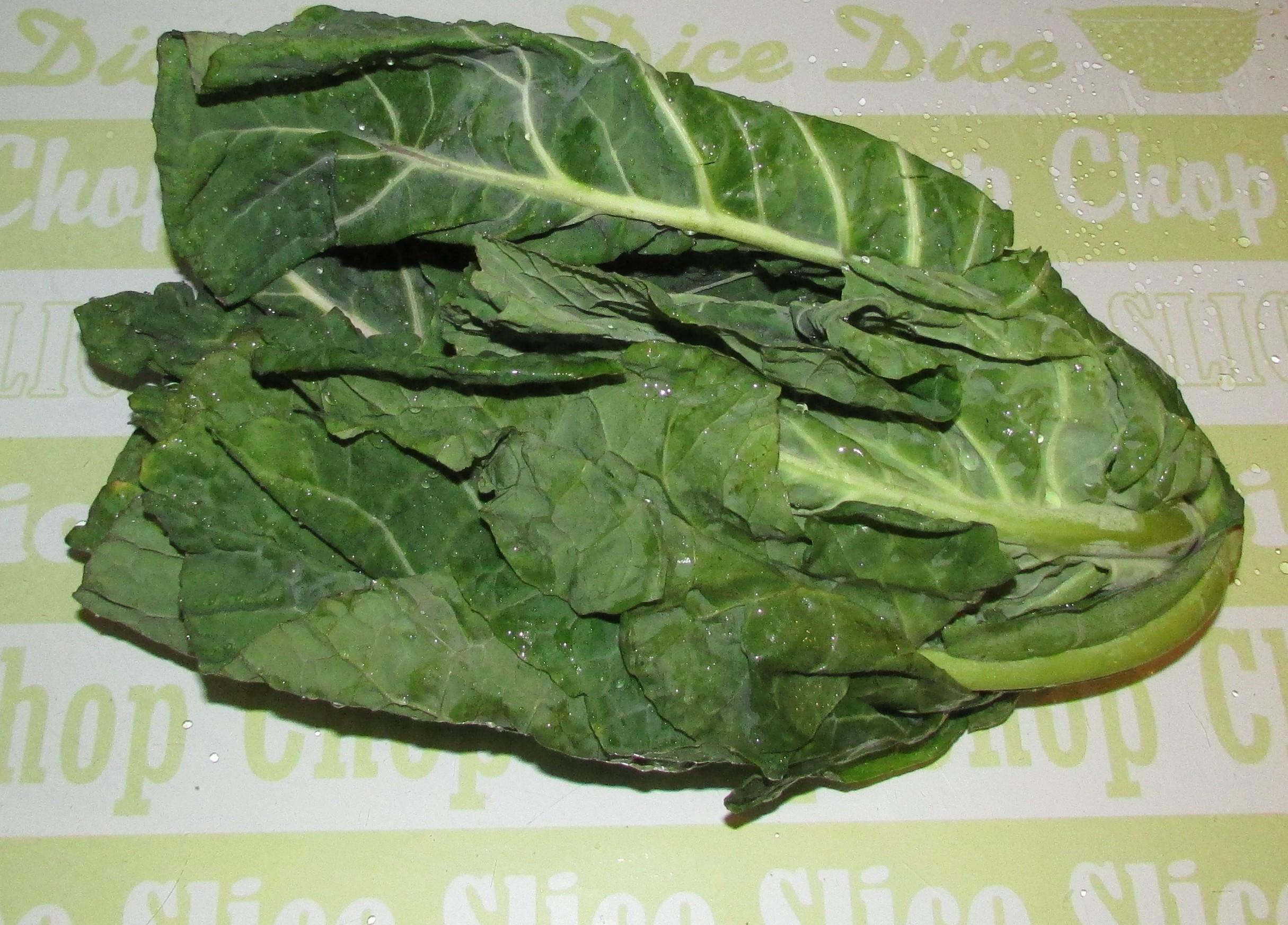
Spring greensOnce I’ve finished this month of budget eating I think I might write a book called 101 ways to cook a cabbage, because it does feel like we’re eating it about 3 x a week. No offence to the humble cabbage intended. It is actually a delicious vegetable when prepared with loving care.

This recipe discovery has renewed my passion for the younger variety of cabbage just coming into Season now. The Spring Green is a tender fellow that doesn’t need much cooking at all, and as a result this meal can be cooked in as long as it takes to boil some spaghetti.

Spring greens provide you with a serious hit of vitamin C to support your immune system, and vitamin K, to build bone strength. They also contain natural compounds, such as sulforaphane and indoles, and research suggests that these plant chemicals have significant anti-cancer action, as well as anti-inflammatory properties, which could help protect against heart disease and stroke.

Anchovies contain omega 3 fatty acids as well as plenty of calcium from the bones when you eat them whole. I’m always trying to find sneaky ways to get fish into our diet, but fish can be an expensive commodity, that’s why the tinned variety can sometimes be useful.

This recipe disguises the fishiness of anchovies making them more like a salty seasoning that complements the Spring Greens beautifully.

Here’s the recipe –

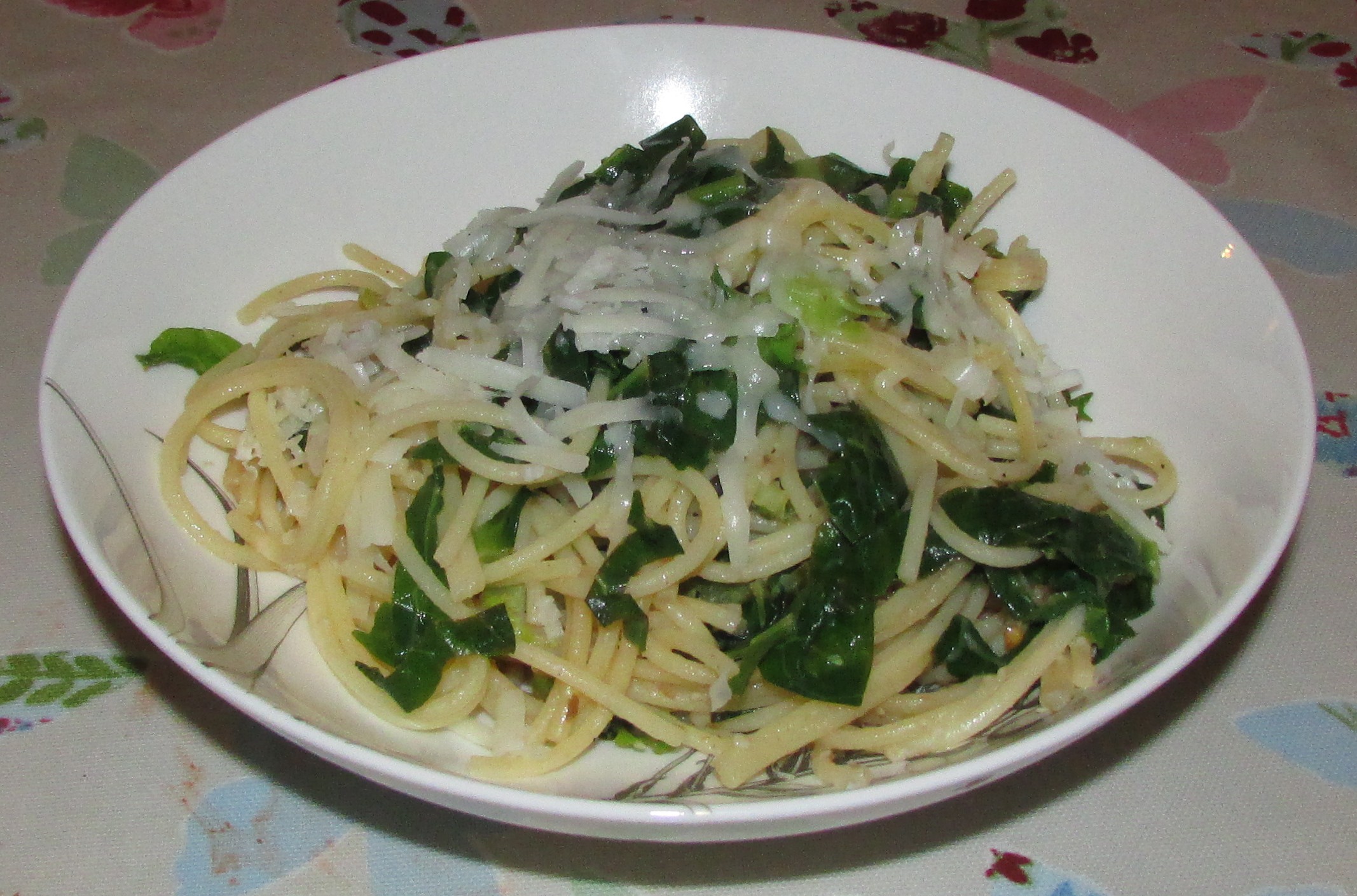
Spring cabbage spaghettiBoil some 300g of spaghetti until it is al dente. In the last minute before the spaghetti is ready, throw in a generous bunch of finely sliced Spring Greens. Meanwhile, as the spaghetti is cooking, mix a 50g tinned anchovies in olive oil, 2 cloves of crushed garlic, the juice of half a lemon and 1 chopped dried red chilli. Cook in a pan until the anchovies disintegrate. Add more olive oil until the mixture is runny enough to mix with the spaghetti/cabbage. Once the spaghetti and cabbage is cooked drain immediately. Stir in the anchovy sauce. Taste and adjust seasoning and lemon juice as required. Serve with black pepper and a sprinkling of strong cheese. Simple yet delicious.

How’s the budget?

Spaghetti = 20p
Spring greens = £1
Anchovies = 50p
1/2 lemon – 15p
Olive oil, chilli, pepper = 10p
Cheese  = 50p
Total = £2.45 for 4


Alder’s Butcher’s on Cowley Road

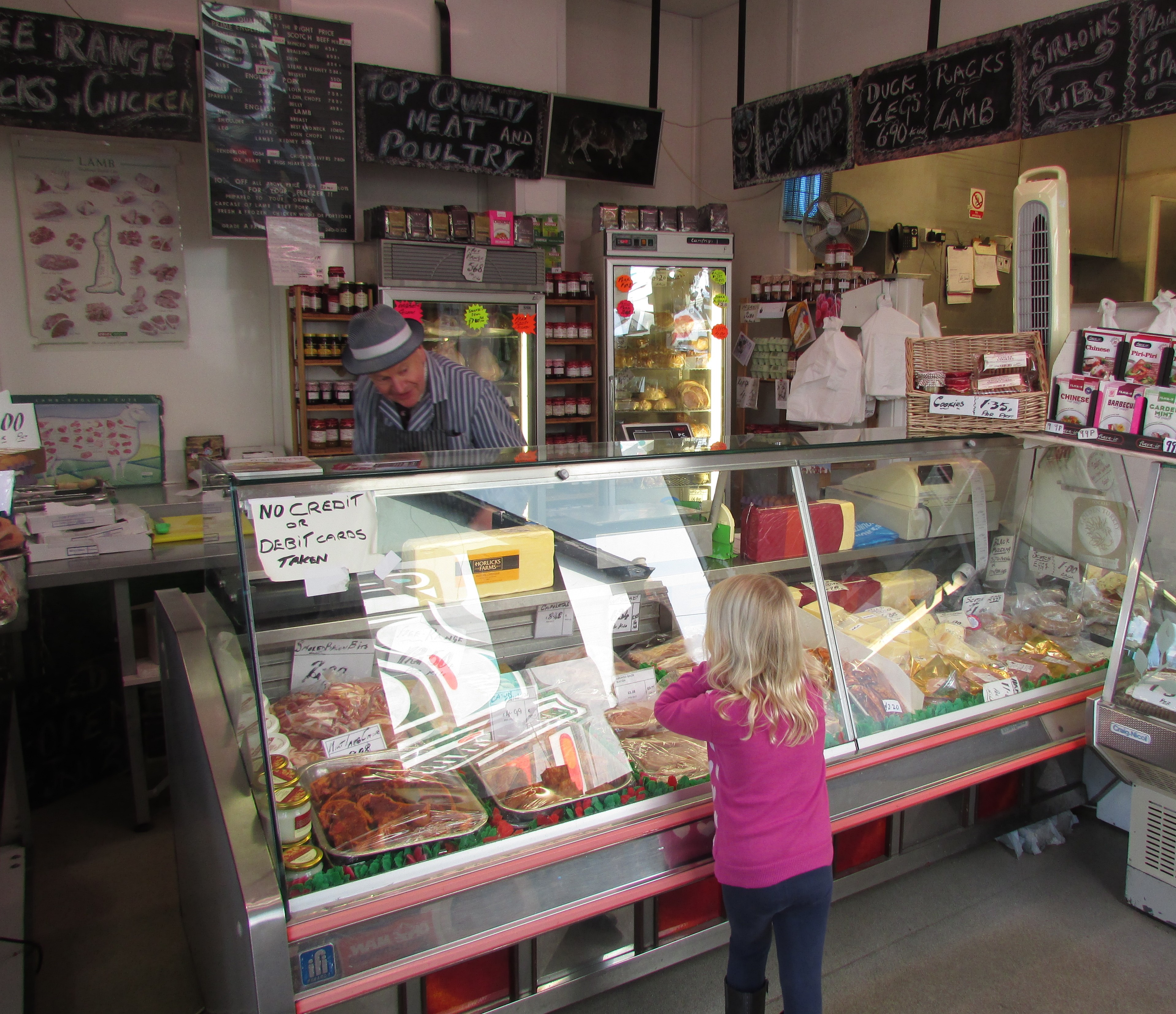
Alder's butchers shop frontI’m in love with Alder’s on the Cowley Road. The friendly personal service from the ‘Governor’ Andy never fails to impress. They’ve got one of those traditionally cheery model butcher outside advertising their trade. Alder’s has a range of fresh meats including game and some organic, along with local eggs and preserves.

Melissa and I popped in there this morning to get some chicken for my chicken and leek pie tonight. We bought 500g of Chicken thighs for just £2.50. I’ll be roasting them before making stock from the bones to make sure the pie is really nutritious and flavourful.

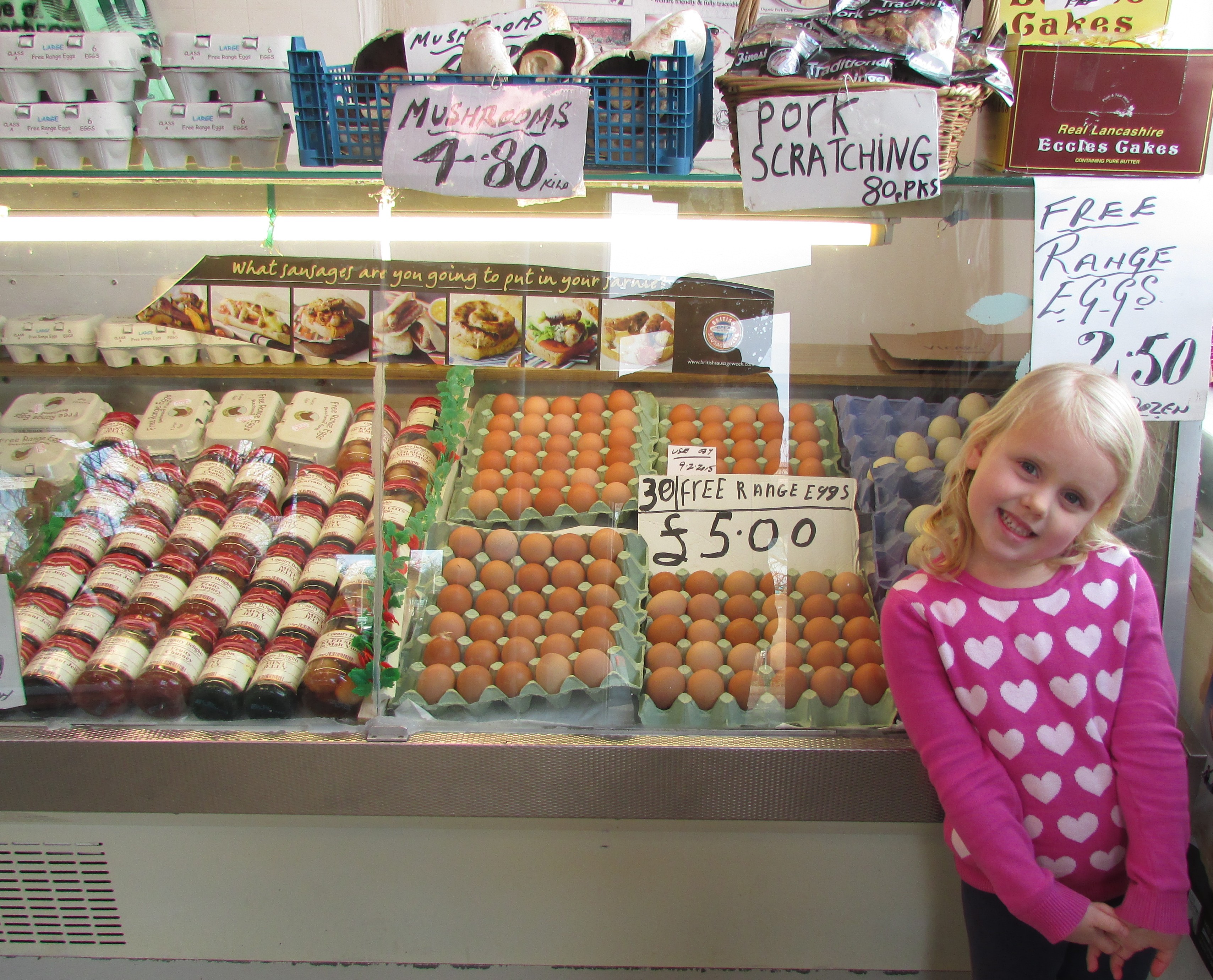
Alder's butchers on cowley roadOn my visit I noticed that they stock Farm Eggs at just £5 for 30 – this is the cheapest that I’ve found. If you don’t get through that many eggs at a time or can’t find a way to carry them home you can always just buy 6 large farm eggs for just £1.25. They really are beautiful with deep orange yolks.

Alder's butcher's 30 eggs for £5I’m planning squash soup so I also bought a huge bag of bones for stock which cost me just  £1 – the money for these goes towards a charity donation.

This butchers is pure quality. If you haven’t already, do make sure you check them out.

W Alder Butchers

224 Cowley Road, OX4 1UH
Tel. 01865 248524
Delivery service available.