Frugal Fish pie

It’s the beginning of the month and I’m feeling flush. A new budget means new possibilities. Although I must remember not to over spend at the beginning so we don’t exceed the budget at the end. Fortunately, February is a short month! 4 exact weeks – no extra days!
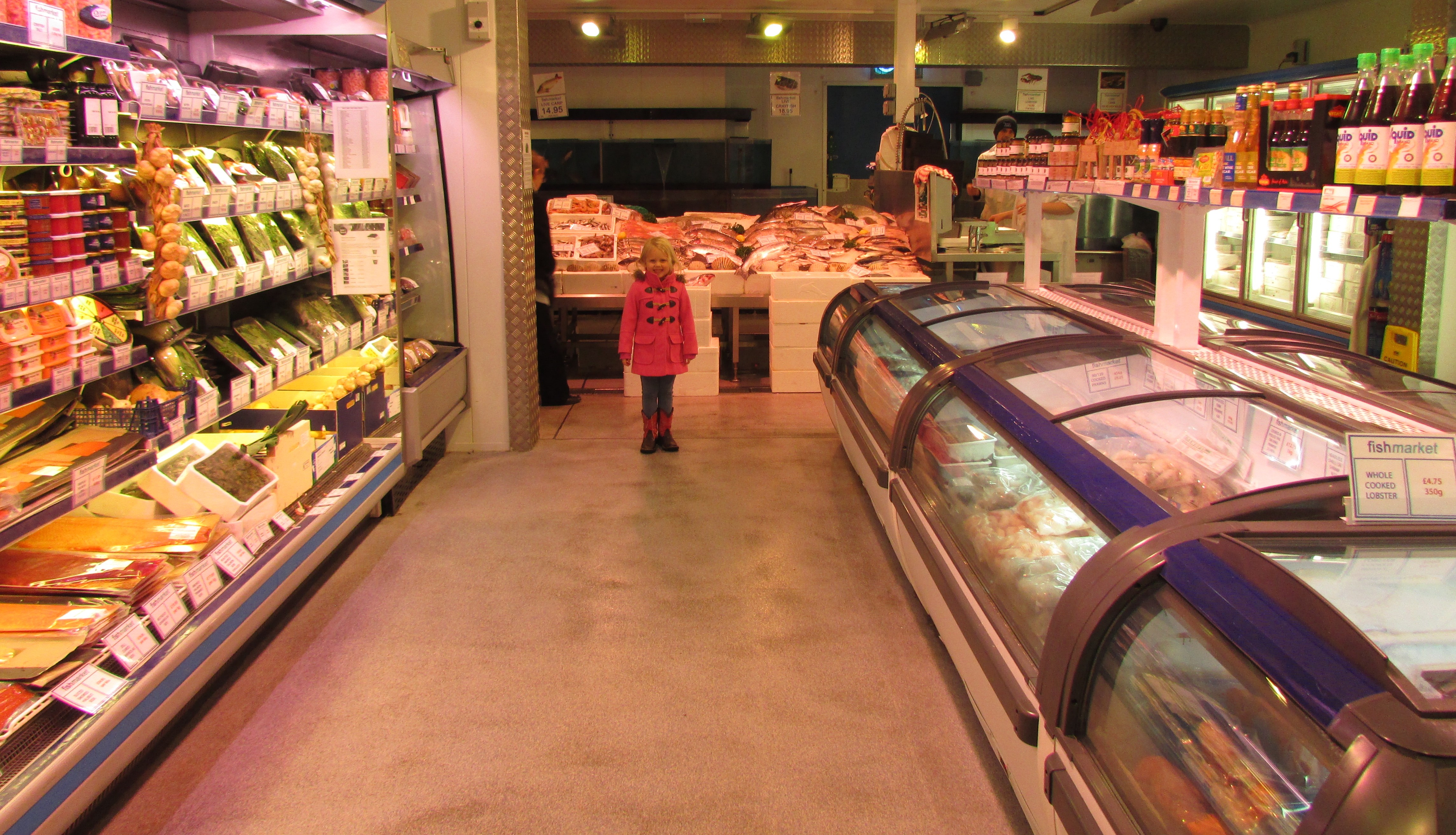
Oxford fish marketI really missed Salmon last month so I thought I’d kick start with a frugal fish recipe. The Fish Market Oxford on Botley Road do a frozen fish pie mix that I keep in the freezer. It cost £6.95 / kg but contains a mixture of salmon and white fish. That might feel steep but it’s a lot cheaper than buying salmon fillets. Plus I like the fact that it’s all the left over tit bits that would usually go to waste – somehow it feels good not to use every bit of the fish. After all, Salmon is a very healthy omega rich fish that should be celebrated. This recipe is super simple as well as hearty and healthy.

Frugal Fish & Leek pie with mustard mash
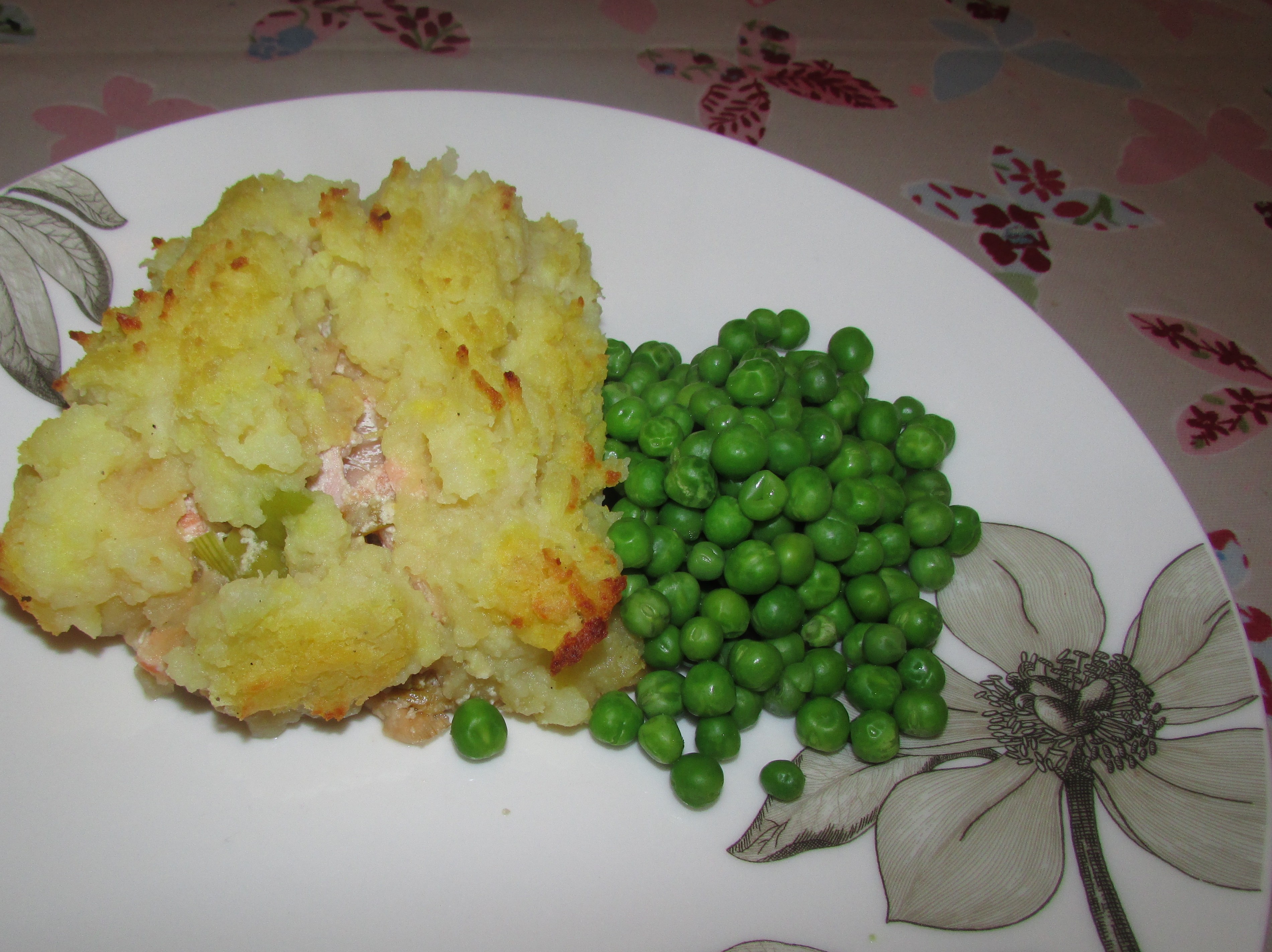
frugal fish pie and peasDefrost the fish thoroughly. Infuse a pint of milk with nutmeg and a couple of peppercorns by warming them gently together in a saucepan. Place the defrosted fish and 1 or 2 sliced boiled eggs in the bottom of a deep casserole pan (you may need 2 pans – this is a lot of fish) and squeeze over the juice of 1 lemon. In the meantime, boil about 1 kg of potatoes until cooked through and set aside.

In a saucepan melt 30g of butter and gently fry leeks until very soft (about 10 minutes), add 2 tbsp of plain flour and mix to form a roux. Gently fry the leek roux for 30 seconds before whisking in the milk, leave over a gentle heat to thicken. Mash the potatoes with a little milk and some butter and 2-3 tsp of English mustard, season with salt and pepper.

Scatter some parsley over the fish and pour over the thickened white leek sauce. Top with the mash. Place in the oven for 40 minutes at gas mark 5 / 180C, until golden brown. Serve with peas.

This is enough for 2 family meals. So unless you want to eat it 2 days in a row, divide in half and freeze.

Budget?

1 kg fish pie mix = £6.95 (Fish Market Oxford)
1 kg potatoes = 28p (Rectory Farm)
3 leeks = £1
Organic Milk = 60p
Butter = 20p
Lemon = 25p
Herbs, salt, pepper, mustard = 10p

Total = £9.38 for 8-10 portions (93p a portion)
Summary of week 4 feeding a family on a £100 pcm

This week, our final week, we’ve been trying to clamp tightly down on our budget.

We got our veggie and fruit box from North Aston Organics again, but I’m going to see if I can book a different box from a different location each week as they have all been fantastic, and I want to support them all.

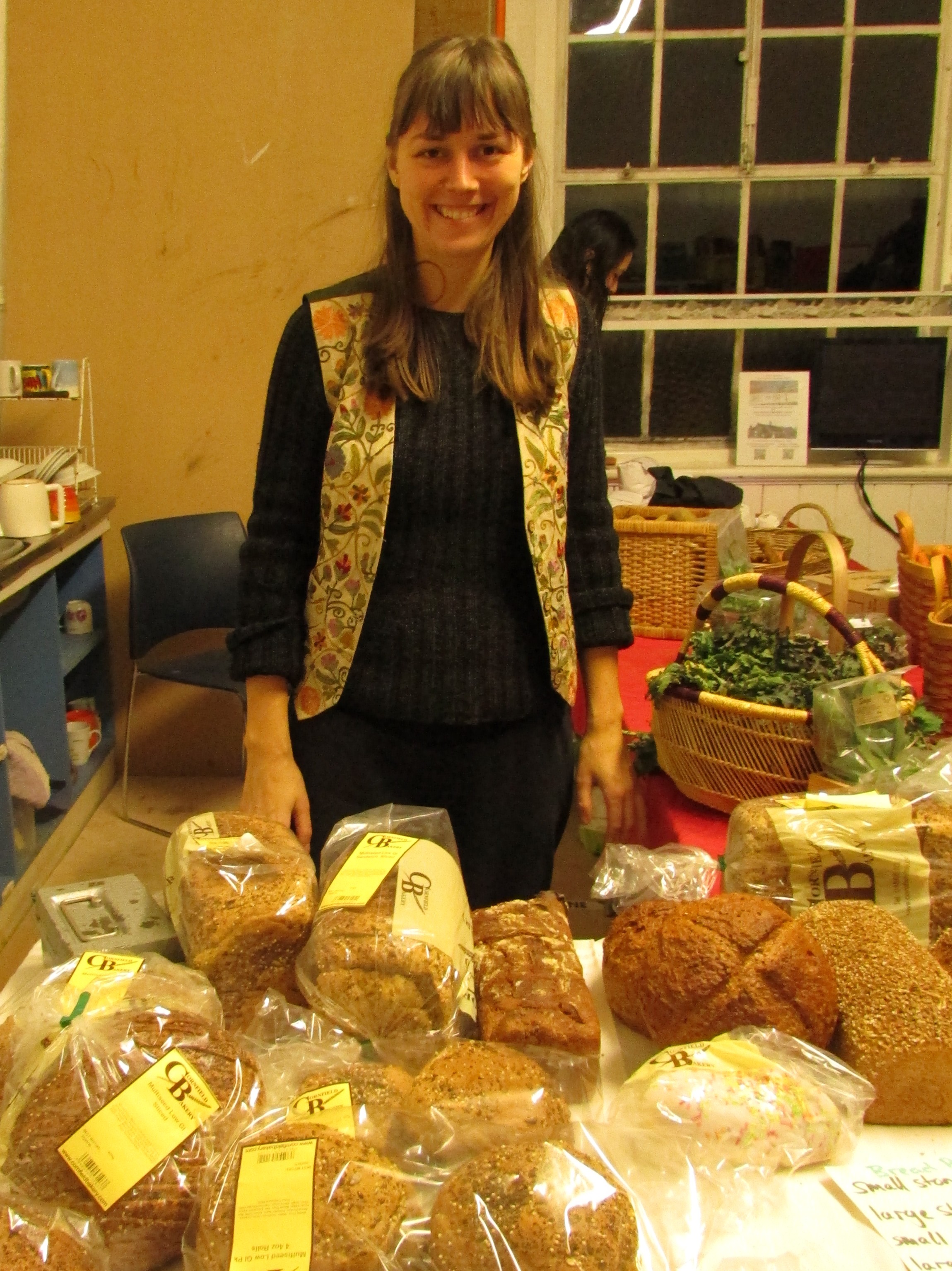
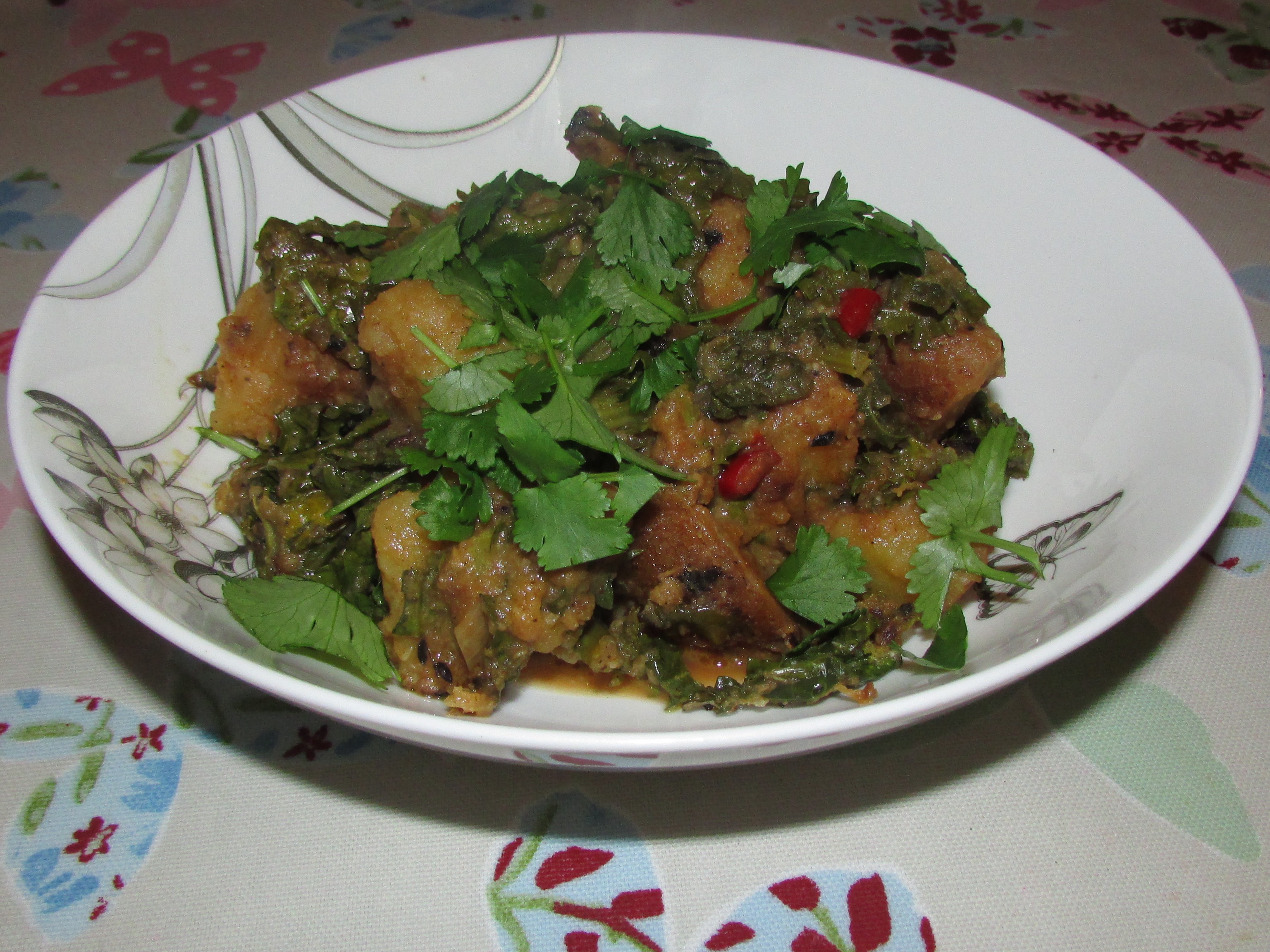
Kale alooWe visited the Monday Shop and bought some beautiful Kale and coriander for donation only which we made Kale aloo with. I also indulged in some Cornfield bakery Rye Sourdough bread – this ancient method of baking with natural yeasts is much easier on the digestion and I’m a huge fan. We’ve been missing bread this month but I’m planning on getting into some baking of my own!

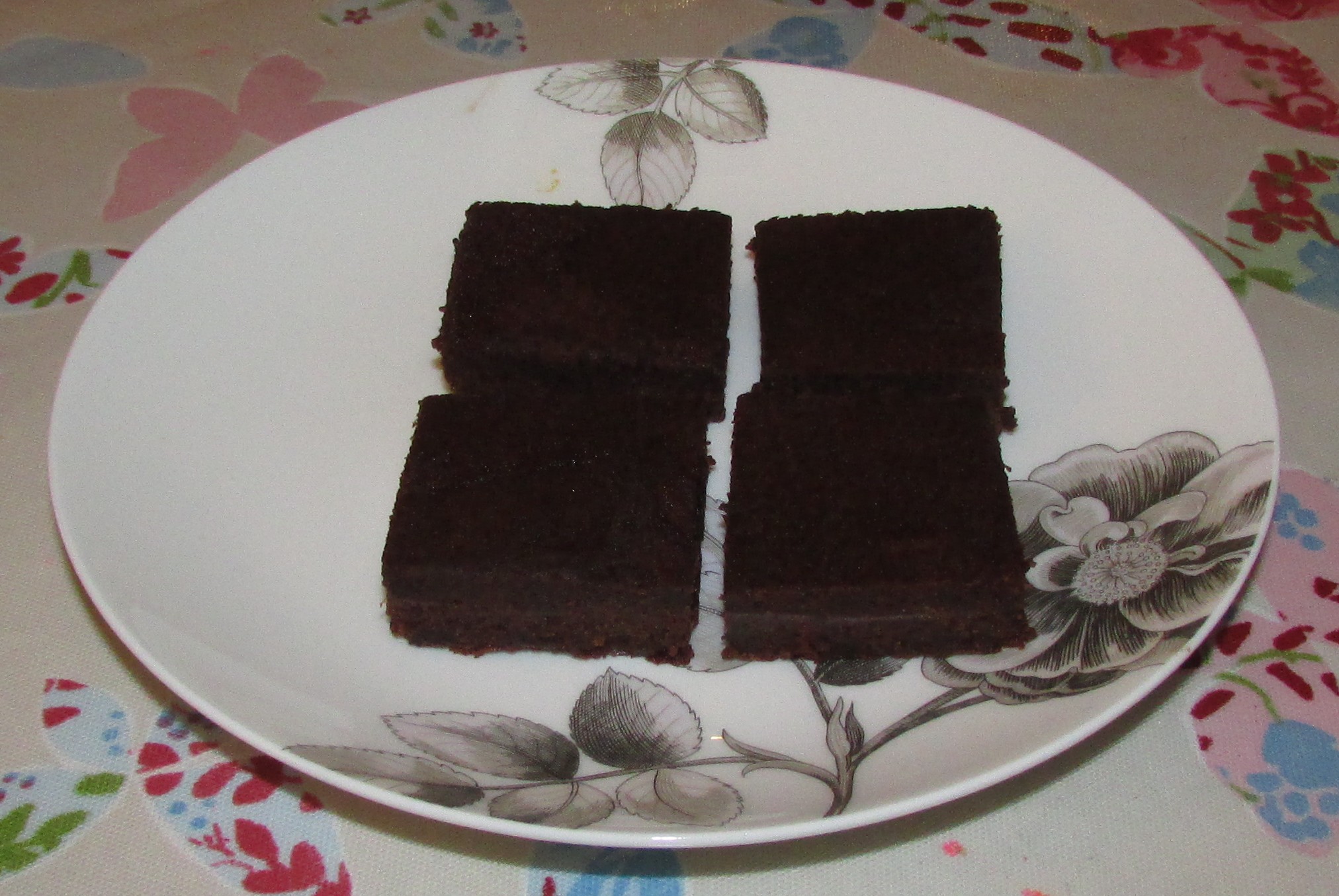
Pumpkin almond choclate cakeWe made hummus out of sprouted chickpeas and enjoyed it on the bread, and I baked some chocolate pumpkin brownies using the roasted pumpkin instead of butter as we had run out! The results were delicious and moist – a wonderfully successful experiment.

We’re getting a bit bored of home made peanut butter so I’m planning some almond butter next month.

If you’re interested in seeing what we’ve been eating all week, here’s our complete menu and budget breakdown. We eat porridge (I bought bulk oats in the first week but we’re now running low) with peanut butter and sugar for weekday breakfasts. At weekends we eat eggs of some kind either with bubble and squeak or in pancakes. Lunch is provided by either dinner leftovers, soup or hummus and bread. The pumpkin brownies and fruit have been fulfilling our sweet tooth this week too, and we’ve even eaten out of the food waste bin when we made potato peeling crisps!

potato skin crisps and spicy tomato sauceSunday
Bubble & Squeak with poached eggs and beans
Roast chicken, potatoes, parsnips, carrots, cabbage.
Monday
Chicken Curry & Rice
Tuesday
Cabbage anchovy spaghetti
Wednesday
Kale aloo & rice
Alder's butchers on cowley roadThursday
Carrot soup & rye sourdough bread with hummus
Friday
Children over for tea – sausages, rice & peas
Pumpkin Risotto – for myself & Alex
Saturday
Bubble and squeak with eggs and beans
Nettle pesto pasta (using our kale pesto recipe but with Nettles from Shotover)

Here’s the breakdown for the week

1 small chicken = £4
Dried chickpeas = 28p
Tinned tomatoes = 34p
Creamed coconut = 50p
8 eggs = £1.60
Veggie & fruit box = £14.50
Chocolate = 30p
Kale & coriander = £1
Rye bread = £3
Almonds = 40p
Baked beans x 2 = 50p
Rice = 80p
Spaghetti = 35p
Sugar = 40p
Cheese = 75p
Lemon = 25p
Anchovies = 50p
Sausages = £1
Frozen peas = 10p
Olive oil, garlic, chilli, spices = 30p

Total for week 4 = £30.62

Total spend for 1 month = £124.22

Paid for but still to use = £8.20
Leeks, beetroot, mushrooms and a few carrots = £4
Dried Yellow Split peas = £1.50
Dried Chickpeas = £1.50
Rice Wraps = £1.20

Final adjustment = £116.02 total spend!

January has been a long month, and I don’t think we’ve done too badly for our first attempt. In truth I really didn’t think that we’d make it, so I’m pleasantly surprised that we’re not far off. As logged, we’ve still got some leeks, beetroot, mushrooms and a few carrots from our veggie box to eat this week, as well as a huge amount of dried chickpeas, yellow split peas and rice wraps left over too!

Now I’m getting more efficient I’m sure we’ll manage to eat within budget the following month. We could have gone vegan this week to cut back the budget further and I really shouldn’t have boughMeadowshare at Wolvercotet the bread, but it was so temping and we were feeling deprived. I vow to make my own next month.

What have I learned from this month?

I’ll never buy Supermarket meat again. From now on I’ll be making my own nut butters, and hummus and I will value every fruit and vegetable that comes into the house. By keeping our stocks low, we’ve managed to reduce our food waste and our recycling bins contents too. Better for our purse, our health and the planet!

Thank you to everyone that has followed our journey and supported us, and also to all the wonderful people we have met along the way. I feel totally inspired by you all to continue, and hope to discover even more amazing local Oxfordshire produce in February.

If you haven’t heard us talking on BBC Radio Oxford this week please have a listen, and do please feel free to contact me or leave comments with local deals and frugal recipes, I love hearing from you –  carolinementzer@gmail.com

Left over potato skin crisps and spicy tomato sauce

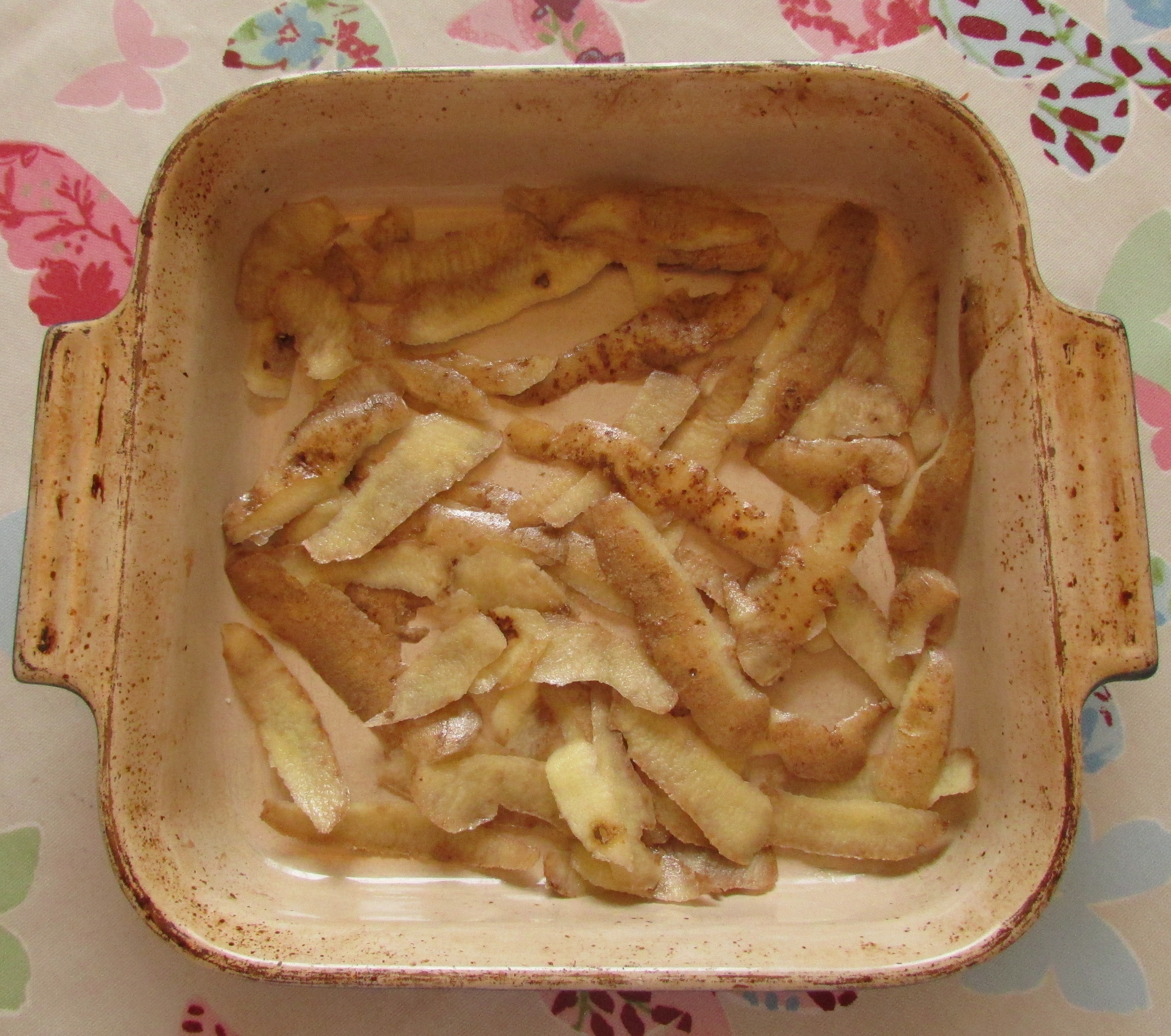
potato skinsThe problem with living on a budget is that you become obsessed with food waste. This is a good thing really, but does make me sad when I have to throw something perfectly edible away. Now that we’ve gone local and organic with our veg, I’ve already stopped peeling my carrots and potatoes in favour of scrubbing. But when I’m making mash I still peel as my daughter won’t eat mash with lumps in. It’s been breaking my heart throwing away these edible potato skins especially as most of the nutrients in vegetables lie just below the surface. We’ve been missing crisps this month, so I thought I’d attempt a home-made healthy version using the left over potato skins tossed in olive oil and sea salt and roasted in a hot oven for 10-15 minutes (or until crispy).

You can eat these on their own but there’s nothing better than a spicy dipping sauce. If you use tinned tomatoes it’s really cheap too. Here’s the recipe –

potato skin crisps and spicy tomato sauceDrain off the juice from one tin of tomatoes and then chop the tomatoes roughly. Finely chop 1 onion, 1 clove of garlic and 1 small red chilli. Place the tomatoes, onions, garlic, 100g of castor sugar, 2 tbsp of cider vinegar and 1 tsp salt in a saucepan and bring to the boil. Reduce to a medium heat and gently simmer for 15-20 mins until it’s a sticky chutney. Spoon into a sterilized jar and seal. Or if you’re like us – serve immediately with warm potato skin crisps. A yummy Saturday afternoon snack!

I’m struggling to put a cost on potato skins as they would’ve usually ended up in the food waste. But I would imagine this recipe costs less than 50p to make. And if you’ve got squashy tomatoes at the back of the fridge that need using up – even better!

Pumpkin and Almond Chocolate Cake

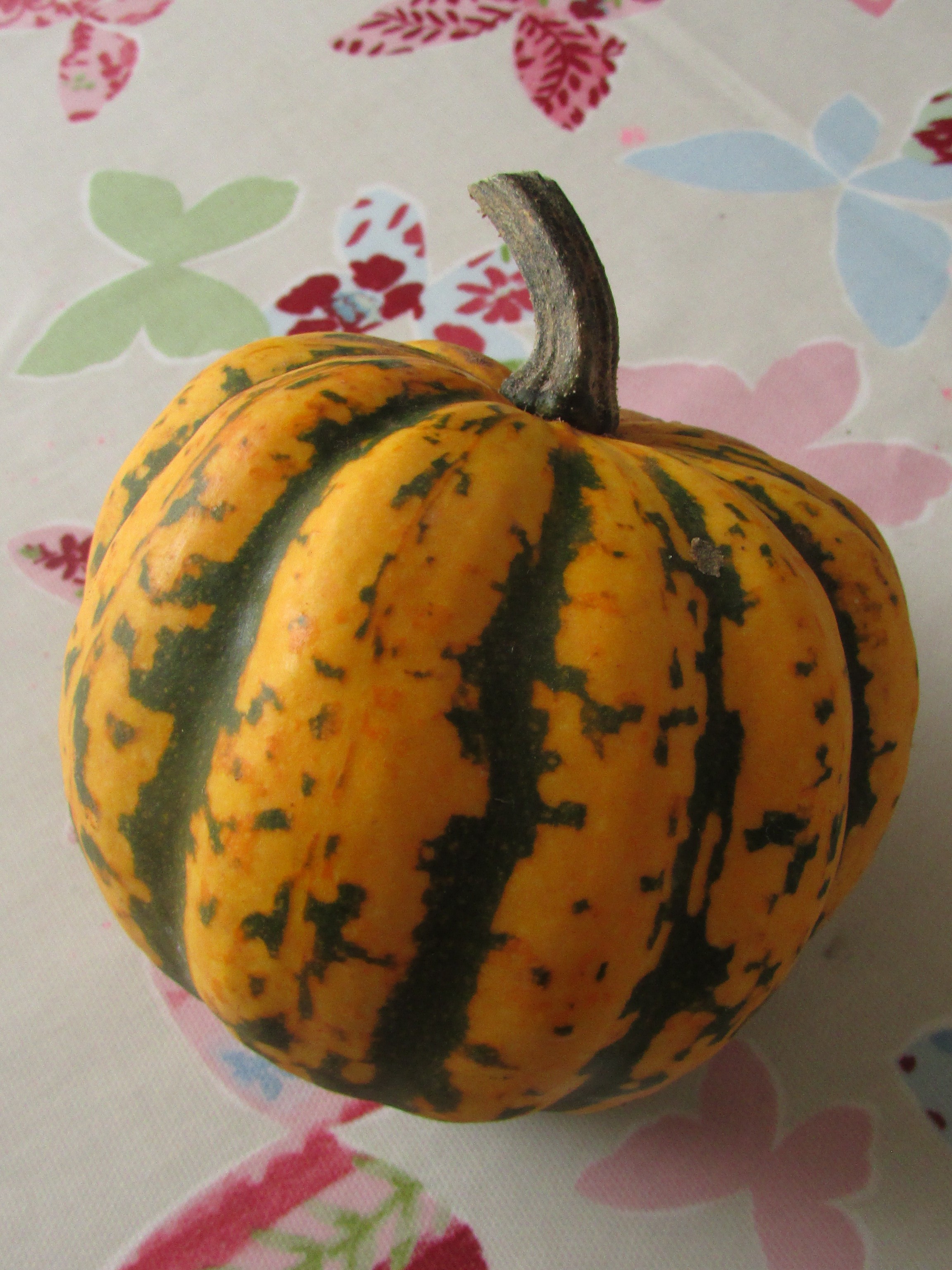
Harlequin squashI’ve wanted to bake this week but having run out of butter as well as ideas I was stumped. Then came to me some inspiration from a lonely baby pumpkin sitting at the bottom on my vegetable rack. Small pumpkins are known to have a lovely sweet almost honey-like quality. When roasted they also have a beautifully moist gooey texture. I pondered, could I bake a cake using pumpkin purée instead of butter? Or would I be ruining some beautiful and much needed ingredients. What do I have to lose?… I thought. And I’m glad I did because when all hope was lost, out emerged a sensational cake that could also count as one of your 5 a day! Here’s the recipe:

Pumpkin almond choclate cakeFirst roast the baby squash whole in the oven for about 40 minutes to 1 hour. Once soft and squidgy allow the squash to cool a little then cut it in half and remove the seeds without losing too much of the flesh. Whisk 3 eggs with 200g of sugar until light and fluffy. Melt 100g of dark chocolate. Add the warm squash flesh (about 150g) to the melted chocolate and stir vigorously until completely combined. Add 40g of ground almonds to the sugar egg mixture (you can make your own by blending almonds or buy them already ground). Add 40g of flour to the mixture. Finally add in the chocolate pumpkin purée. Whisk everything really well together until the consistency is smooth. Grease a 20 x 30 cm baking tray very well and pour the mixture in. Bake in a pre-heated oven (175°C/350°F) for about 25-30 minutes, test with a toothpick to make sure it’s cooked through. Leave to cool before cutting into 24 chunks – delicious and (apart from the sugar) pretty healthy too!

100g chocolate (tesco basic) = 30p
40g ground almond = 40p
40g flour = 10p
3 eggs = 60p
200g sugar = 25p
Small pumpkin = 50p
Total = £2.15 for 24 slices (9p each)


My basic frugal curry recipe

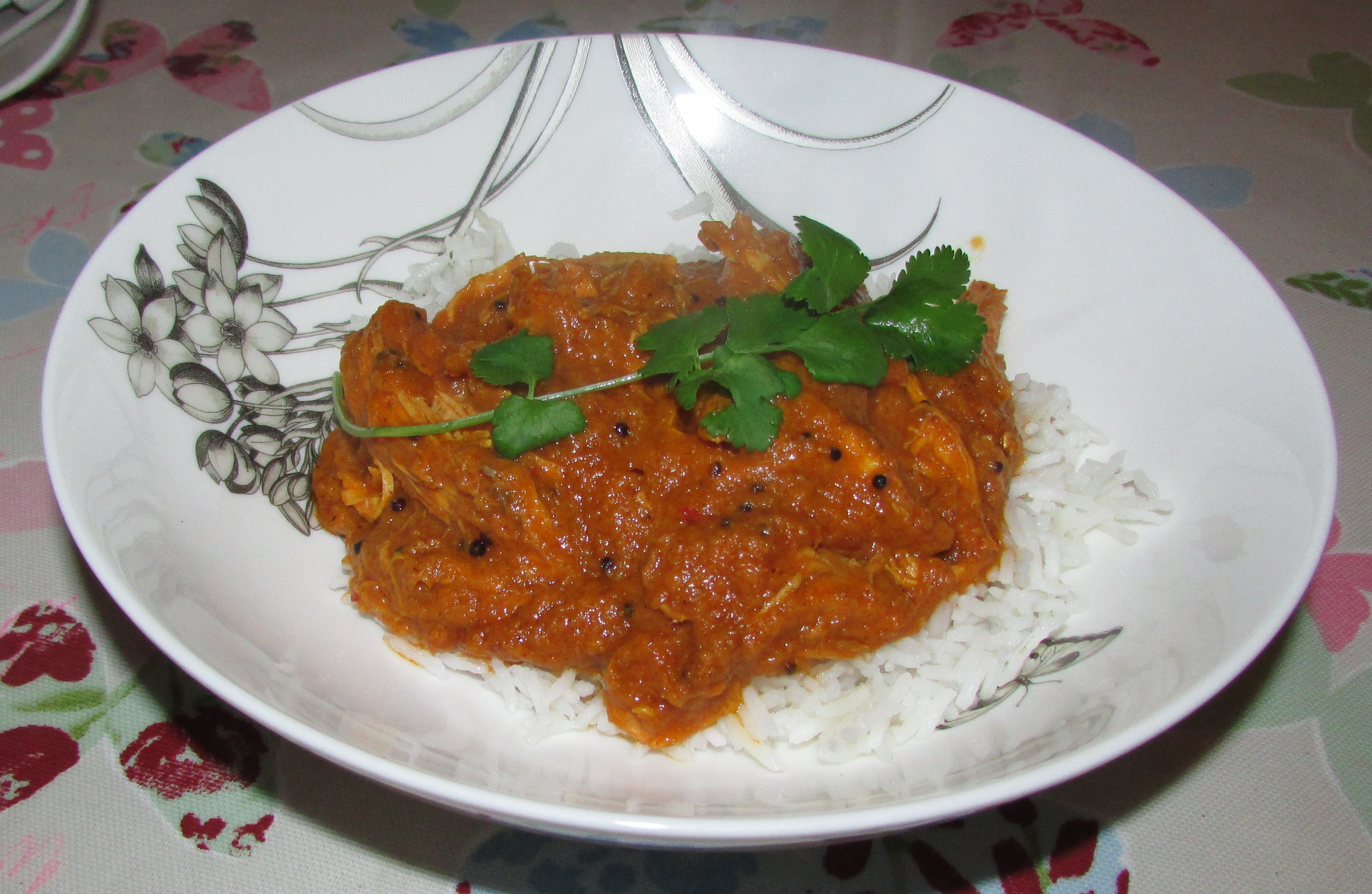
I use this recipe a lot, all the time, every week at least once! It’s easy, delicious and very budget. You can add leftover roast chicken, frozen fish or just some wholesome chickpeas and spinach to complete this dish. With rice on the side it will feed a family of 4 easily.

Here’s the recipe –

Chicken curryIn a blender place 3 large peeled white onions, 5 cloves of garlic, 100g grams of creamed coconut, 1 tin of tomatoes, 2 cups of water, 3 tbsp tomato purée, 2 red chilli’s or more if you like it hot, 1 small knob of ginger, 3 cardamom pods and any leftover stems from some fresh coriander. Blend until smooth.

In a heavy duty casserole dish fry 2 tsp mustard seeds, 1 tbsp of cumin, 1 tbsp of garam masala, and 2 tsp of turmeric (in a little olive oil or butter) for a couple of minutes until the aroma fills the room. Pour in the blended curry sauce you have just made, mix it altogether, season with salt and pepper and allow it to simmer away for 10 minutes. Taste to see if it needs more salt, pepper or spice – adjust accordingly.

Now add your filling, and place the casserole dish in the oven on gas mark 5 / 190c for 1 hour. Do check it now and then to make sure it doesn’t burn, and give it a stir. If it reduces too much add a dash of water. The sauce should become thick and flavoursome. Serve with basmati rice and natural yoghurt.

Here’s the cost –

1 tin tomatoes = 34p
Tomato purée = 15p
Creamed coconut = 50p
Onions, garlic & ginger = 30p
Spices = 10p

Total = £1.39

Add roast chicken = £2
Add pollack = £2
Add cooked chickpeas = 28p

Monday Shop and Kale Aloo Recipe

Sarah at Monday ShopI was at the Monday Shop, on Monday funnily, where you can pick up surplus organic vegetables that have been on market stalls or veg vans around Oxford over the weekend. The shop runs by donation only, to help reduce food waste in Oxford. It’s a clever way of getting slightly tired looking vegetables to people that want buy organic and create healthy meals on a budget.

I couldn’t wait to get down and see what was on offer. The shop runs every Monday from upstairs at the Cowley Road Community Centre from 4-8pm. Cornflower Bakery in Wheatley and Sesi also showcase their products.

Kale from monday shopI arrived at around 6.15pm to many friendly faces. Thank you to everyone that welcomed me.

I was surprised to see that the vegetables were anything but tired looking. North Aston Organics had contributed some beautiful fresh herbs and there was an abundance of leafy green kale from the Cultivate Veg Van, as well as carrots, potatoes, parsnips and beetroot.

I picked up a bunch of fresh coriander and some of the kale and pondered over what I could do for dinner. I had some leftover chicken curry in the freezer from the other week and an idea popped into my head for Saag aloo – but using kale instead of spinach. So there it became Kale Aloo with fresh coriander.

Here’s the recipe;
Kale aloo1 bunch of kale
4 large potatoes
1 small onion
2 cloves of garlic
2 tbsp tomato purée
2 tbsp creamed coconut
2 tsp cumin seeds
2 tsp garam masala
1 tsp turmeric
1 small chilli
Salt and pepper

Scrub and chop the potatoes into small pieces and then boil until soft. Fry the potatoes in a little olive oil with 2 cloves of crushed garlic and a small onion for 5 minutes. Add the cumin seeds, garam masala, chopped chilli and turmeric and fry for another 2 minutes until you smell the aroma of the spices. In the meantime, remove the very tough bits from the kale and slice finely before adding to the potatoes. Finally, add 1 cup of water, the tomato purée and creamed coconut. Season with salt and pepper and allow to cook for a further 10-15 minutes until everything has infused together. Sprinkle with fresh coriander and serve alone with rice or as an accompaniment to other curries. Simple yet delicious!

How much does it cost?

It’s difficult to say how much this dish costs to make. But I would say you can buy all the vegetables for about £1 and the spices, tomato purée and creamed coconut come to about 50p. So £1.50 for 4 people.

Week 3 eating on a Budget

We’re nearing the end of our journey. We’ve completed over 3 weeks of eating all our food for just £100 a month using as much local Oxfordshire produce as possible.

But how have we done?

Whilst we’re coming in a little over budget, I think that we have learned an awful lot about how to keep the cost down. If we continue for another month or two I reckon we could manage to consistently keep with in budget. I’ve also noticed that our plastic waste has been reduced a great deal – this is because we’re now buying all our vegetables covered in soil rather than cellophane, which has become my new motto! And because we’re now eating 100% organic I no longer peel but scrub our fruit and vegetables instead. This saves on food waste too!

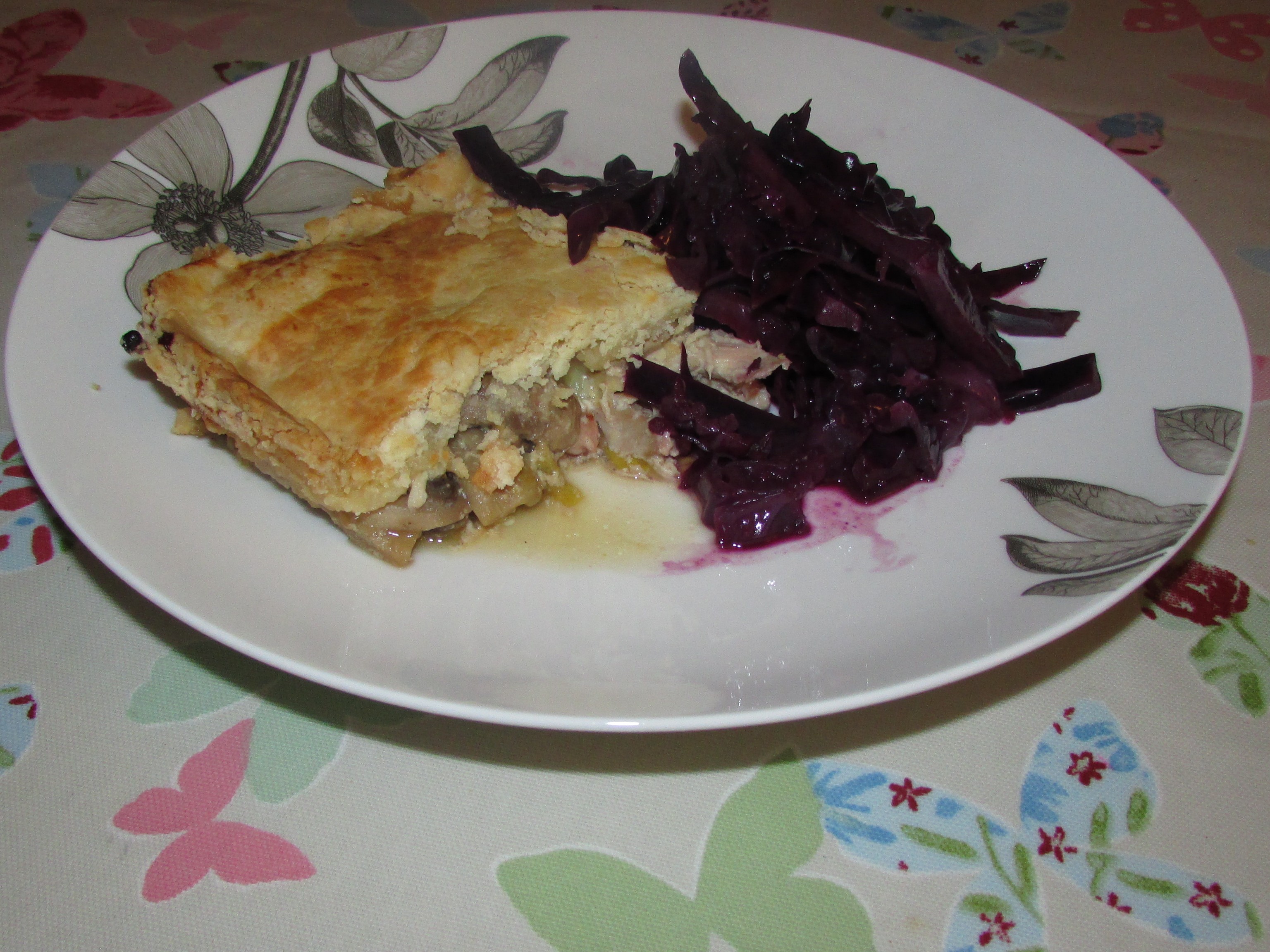
Chicken pie and red cabbageHighlights of the week were home made chicken, leek and mushroom pie made with chicken thighs from Alder’s butchers on Cowley Road, Mackerel and beetroot salad, French onion soup and home made chocolate brownies.

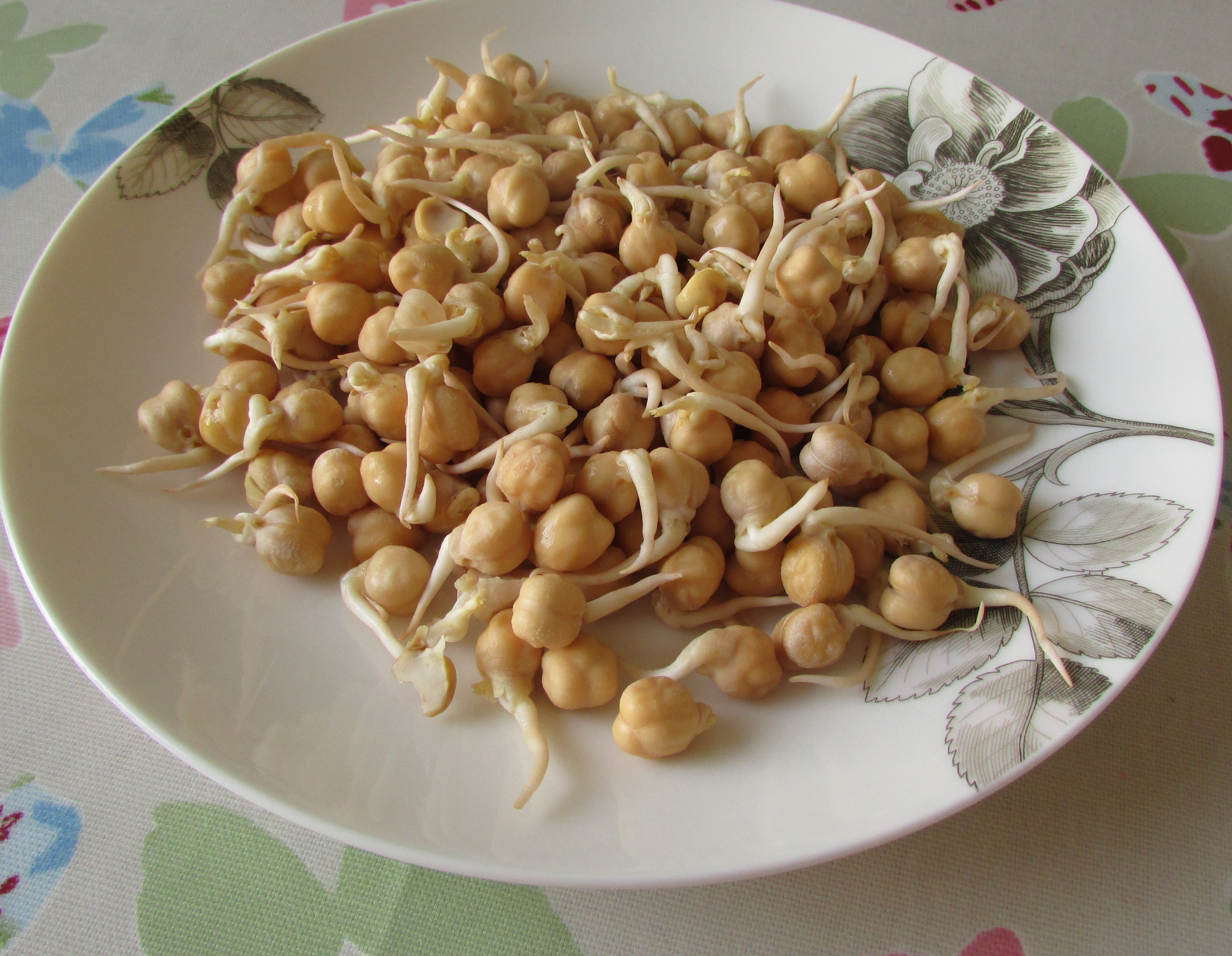
Chickpea sproutsWe also learned how to sprout chickpeas which were a delicious addition to our salads. I even attempted making falafels and raw hummus which is said to contain very high amounts of many vitamins and minerals – read more here.

I appeared on the mid-morning show at BBC Radio Oxford talking to Howard Bentham about how we can reduce food waste in the UK. Please click here to listen.

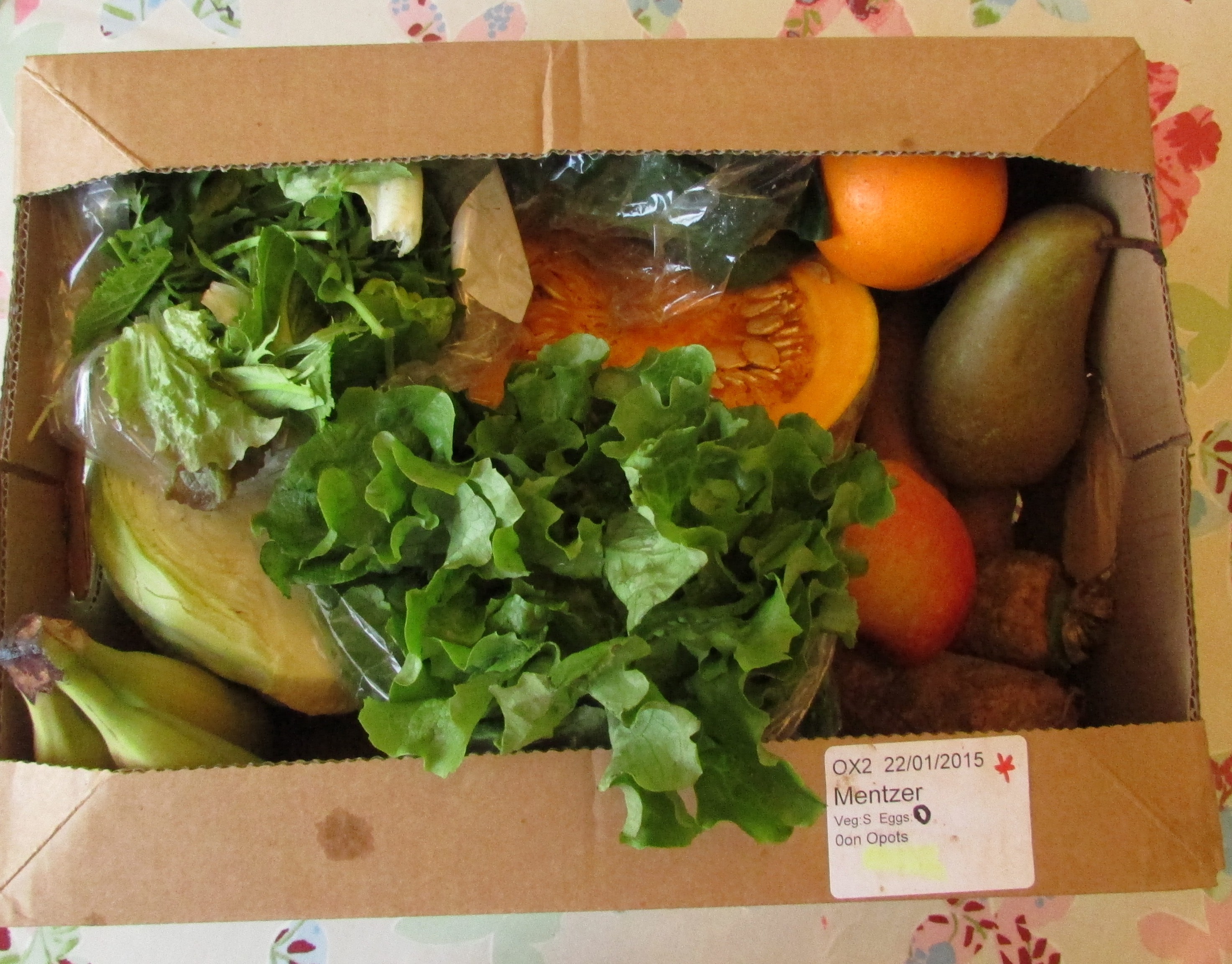
North Aston Organics Veggie BoxOur vegetables and fruit came from North Aston Organics. It arrives on a Thursday at a secret location in Cowley Road. The shift of delivery day meant that we had to eke out the previous weeks veggie box, which actually helped us reduce the budget.

As a result I still have quite a few vegetables left for next week including leeks, carrots, pumpkin, lettuce and half a cabbage.

Here’s the breakdown

Veggie and fruit box = £14.50
Yoghurt – £1
Butter = £1
Chicken thighs = £2.50
Stock bones = £1
Mackerel = £1.60
Cheese = 75p
8 Eggs = £1.60
Anchovies = 50p
Chocolate = 30p
Tinned tomatoes x 2 = 64p
Pasta, rice, flour, olive oil & sugar from the larder = £1
Avocado = 50p
chickpeas & yellow split peas = 28p
Lemon & lime = 50p
Garlic & herbs = 20p

Total for the week = £29.87

Total spend over 3 weeks = £93.60

I can see we’re going to be eating plenty of rice and dahl next week to try and reduce our budget even further.

Thanks very much for reading and following. Your emails, tweets, facebook messages and comments are very welcome. Please continue to drop me a line if you have any frugal recipes or know of any hot deals around Oxfordshire.

Fish Market Oxford off Botley Road

Oxford fish marketI recently discovered the Fish Market Oxford tucked away on Osney Mead, just off the Botley Road (Station end). It’s the wholesalers that supplies the Covered Market. The fish is extremely fresh and beautifully kept. Plus they have some fantastic deals that you won’t get in the Supermarkets.

I bought 1 kg of Cobbler (white fish) which I’ll keep in the freezer to make curry with. It cost just £3.99. I also picked up some Fish Pie Mix at just £6.95 a kilo which contains plenty of salmon and white fish perfect for a delicious family meal or two.

Oxford fish market fresh fishAll produce sold at the Fish Market is sourced from fishermen on Devon and Cornish ports. The fisherman use sustainable methods that can be maintained indefinitely without reducing the target species’ ability to maintain its population, and without adversely impacting on other species within the ecosystem by removing their food source, accidentally killing them, or damaging their physical environment.

There’s free parking and it’s walking distance from Oxford Train Station. They also offer a delivery service, and are open 7 days a week!

Here’s the details –

Fishmarket, 7 Ferry Mills, Osney Mead (off the Botley Road), Oxford, OX2 0EST: 01865 242827 info@fishmarketoxford.com


10 ways to get more vitamins WITHOUT changing your diet

Since feeding the family on a tight budget, I’ve become more concious about making sure we’re getting all the recommended amounts of vitamins and minerals in order to stay healthy.

No longer can I afford to top up on vitamin C by buying a punnet of blueberries, or buy expensive supplements to make sure I’m getting enough minerals. It’s become more about making the most of what I’ve got at hand, and in this process I’ve discovered many ingenious ways to get more vitamins and minerals WITHOUT changing your diet. Here’s what I’ve discovered….

1) Scrub don’t peel!
If you’re buying organic, there’s not need to peel fruit and vegetables including potatoes, parsnips and carrots. After all, most of the vitamins and minerals lie just below the surface, and the skin contains lots of soluble fibre to aid digestion. I find a good scrub is all that’s needed!

2) A squeeze of lemon on your green leafy veg
Adding vitamin C from lemon or lime juice to your spinach, greens, kale, lettuce, rocket etc aids in the absorption of Iron. If you’re not eating red meat regularly you may be low in Iron. Iron is needed to carry oxygen around the body and a deficiency could make you feel tired.

Roasted squash and cumin soup3) Put butter or olive oil on your vegetables.
By adding fat to your vegetables you absorb more of the fat soluble vitamins – A, D, E and K. So dress your salad with olive oil, put a knob of butter on cooked vegetables or yoghurt in your soup. It tastes better too.

4) Soak your beans over night
Soaking dried beans, lentils and pulses overnight before cooking increases the availability of B and C Vitamins.

5) Sprouting
Better still, once you’ve soaked your beans over night, allow them to sprout for a few days. Sprouting can increase the vitamin and mineral content of a legume by as much as 30 times! This is because sprouting (see how to sprout here) reduces phytic acid which can block the absorption of certain nutrients. Sprouts are therefore a fantastic way to stock up on vitamins and minerals.

Chickpea sprouts6) Steam rather than boil
Steaming vegetables results in a more nutritious food than boiling, because fewer nutrients are leached away into the water, which is usually discarded.

7) Keep the boiled water for gravy
If you do boil vegetables for instance potatoes or parsnips, keep the boiling liquid and use it for gravy. You’ll make good use of the vitamins that have leached into the water.

8) Cook meat on the bone
When cooking a stew or roast, make sure you use meat on the bone. The minerals from the bones leach into the stew making it extra nutritious and tasty.

veggie box (2)9) Cook your Carrots
Beta carotene (the orange pigment in carrots that makes vitamin A) is more available to the body when cooked. Other vegetables that are more nutritious when cooked include – tomatoes, broccoli and other cruciferous vegetables like brussels sprouts, cauliflower, kale and bok choy .

10) Chew your food thoroughly
Chewing your food well aids in digestion so you’ll end up absorbing more nutrients.

You see, there are many ways to increase vitamins without taking expensive supplements or eating specialist super foods. As a friend just told me (thanks Christine) – you don’t have to be wealthy to be healthy!