Week 2 eating on a budget

So we are half way through our month of eating for £100! I’m feeling a sense of achievement this week as we’ve managed to cut our budget a great deal to get back on track from our overspend last week.

Budget chocolate beetroot fairy cakesI made a large chilli with Pegtop Farm Dexter beef mince, chickpeas and vegetables that lasted us two nights – one night with rice and the second with jacket potatoes. I also made a Frugal Fish Curry (recipe to follow) combined with the Dahl that I froze last week made a hearty meal for another two nights.

We ate our new favourite Vietnamese Rice Spring rolls and discovered a delicious pasta cabbage combination which I’ll post soon. We even managed to entertain and made beetroot chocolate cakes for Sunday afternoon tea.
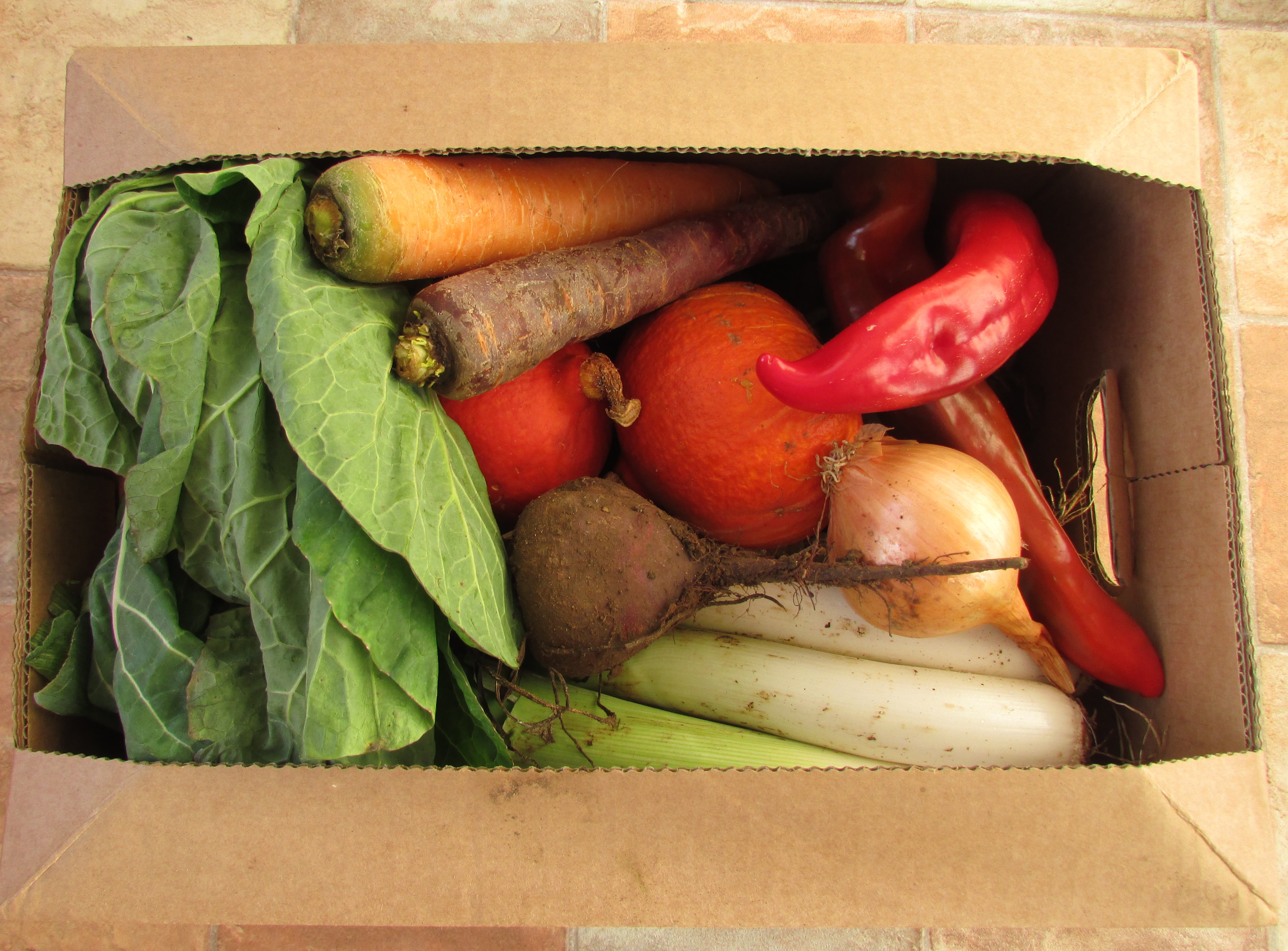
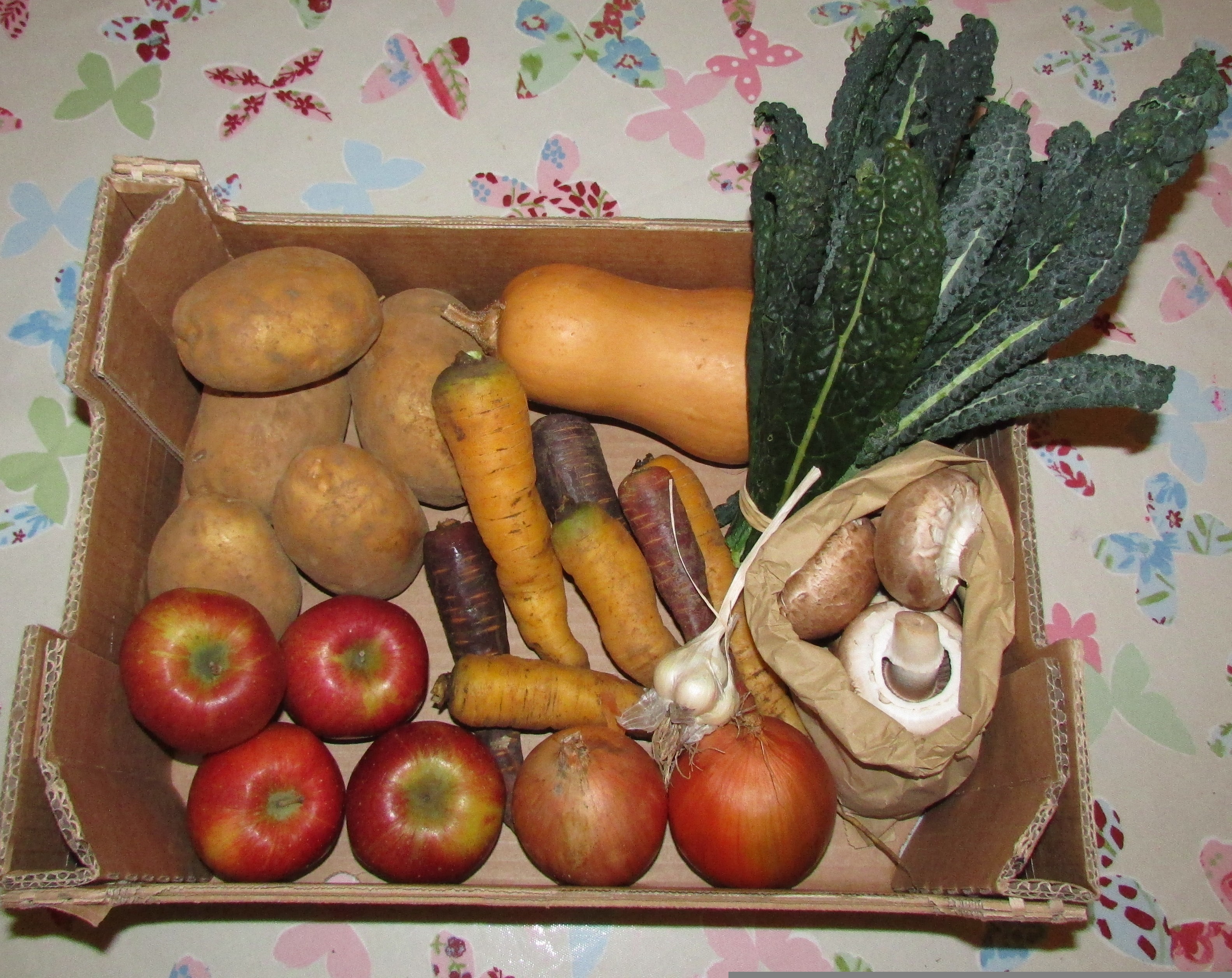
Westmill Organics Veggie boxThis week we trialled Westmill Organics £10 veggie box for FREE, and were very impressed by the quality of vegetables.

One thing I’ve noticed over the past 2 weeks it that we are eating smaller portions. We’re also getting through much less meat, cheese, fish and eggs but compensating with lots more vegetables, beans and rice.

When you cook everything from scratch vegetables tend to be cheapest way to fill up and it got me thinking about how it was during the 1st and 2nd World War when food was scarce. So I did a little digging and found a fantastic BBC Article that talks about the idea of bringing back rationing to fight the obesity epidemic! Whilst this may be a little extreme, we were healthier as a nation when food was scarce. It seems that we’re not able to make healthy choices when given the freedom to buy what we want. Why is this I wonder?

One thing’s for certain, if proceeded foods didn’t exist and you had to feed your family with a budget of £100 a month it would simply be impossible to be overweight, and many of the health implications with being obese such as high blood pressure, heart disease, diabetes and joint problems would dramatically reduce saving the NHS billions. Something to think about.

Here’s a summary of what we spent

Dexter beef mince = £4.52
Vegetable box = FREE
Prawns = 80p
Rice Wraps = 40p
Pasta, rice, flour, olive oil & sugar from the larder = £2
Yoghurt = £1
Butter = £1
Tinned tomatoes x 2 = 64p
Salad & cherry tomatoes = £1.50
1 avocado = 50p
Creamed coconut = £1
Ground almonds = £1
7 Farm eggs = £1.40
Lemon & lime = 50p
Anchovies = 69p
Pollock = £1
Herbs & spices = 20p
Apples & bananas = £1.50

Week 2 Total = £19.75

Total spend for 2 weeks = £63.75

Pegtop farm mince beefI’ve still got quite a few vegetables leftover to cook this week and am planning to make roasted squash soup, beetroot and mackerel salad, more cabbage pasta as well as a chicken an leek pie. There’s also some hummus in the freezer that I’ll dig out for lunch, and I might even try my hand at some home made bread!

Thanks very much for reading and following. Your emails and comments are very welcome. Please continue to drop me a line if you have any frugal recipes or hot deals around Oxfordshire.

Beetroot Chocolate Cakes

Budget chocolate beetroot fairy cakesWe love chocolate, and have we’ve been missing it these last 2 weeks of budget eating. Better still I love the combination of beetroot and chocolate, but struggle to get my daughter to eat beetroot alone, so when we got some in our Westmill Organics veggie box this week I jumped at the chance to make these delicious fairy cakes. With friends coming for tea this weekend it was the ideal opportunity to put our aprons on and get baking. One of the best things about beetroot is the way it can turn white icing a glorious pinky purple colour!

Beetroot is an exceptionally nutritious and overlooked vegetable; It’s beautiful colour demonstrates that it is full of vitamins and minerals and protective antioxidants essential for health. Although the leaves have always been eaten, historically the beet root was generally used medicinally for a range of ailments, including fevers, constipation and skin problems.  It’s a good source of iron and folate (naturally occurring folic acid). It also contains nitrates, betaine, magnesium and other antioxidants (notably betacyanin).

More recent health claims suggest beetroot can help lower blood pressure, boost exercise performance and prevent dementia. Beetroot together with dark chocolate and ground almonds in this recipe is a powerfully wholesome combination which is much healthier than a shop bought wheat cake or biscuit. Here’s the recipe –

Chocolate beetroot fairy cakes

Beetroot fairy cakesBegin by whisking 3 eggs with 100g of sugar until fluffy. Melt 100g dark chocolate with 50g of butter. Stir in the chocolate plus 200g of fresh grated beetroot, 100g of ground almonds, 1tsp baking power and 2 tbsp of cocoa powder. Spoon into 20 fairy cake cases and bake for 20 minutes on 200C. Choose your favourite icing. I like butter icing coloured with beetroot juice, but chocolate icing also works really well. If you can resist temptation, they taste even better after a night in the fridge. Make sure any cake containing vegetables is stored in the fridge to keep fresh.

Getting veggies into kids has never been so much fun!

And the budget?

I’d usually make 12 muffin sized cakes but opted for 20 smaller fairy cakes so they’d stretch further. Sweet potato also works really well in this recipe. Or sometimes I do a combination of both – 100g beetroot and 100g sweet potato – the results are light, moist and fluffy.

200g Beetroot  = 50p
100g Ground almonds = £1
100g sugar = 12p
100g dark chocolate = 30p (Tesco basics)
3 eggs = 60p
50g butter – 20p
1tsp baking powder = 5p
2tbsp cocoa powder = 20p
200g Icing sugar = 30p
100g butter = 40p

Total = £3.67 for 20 cakes

Sesi Food & Household

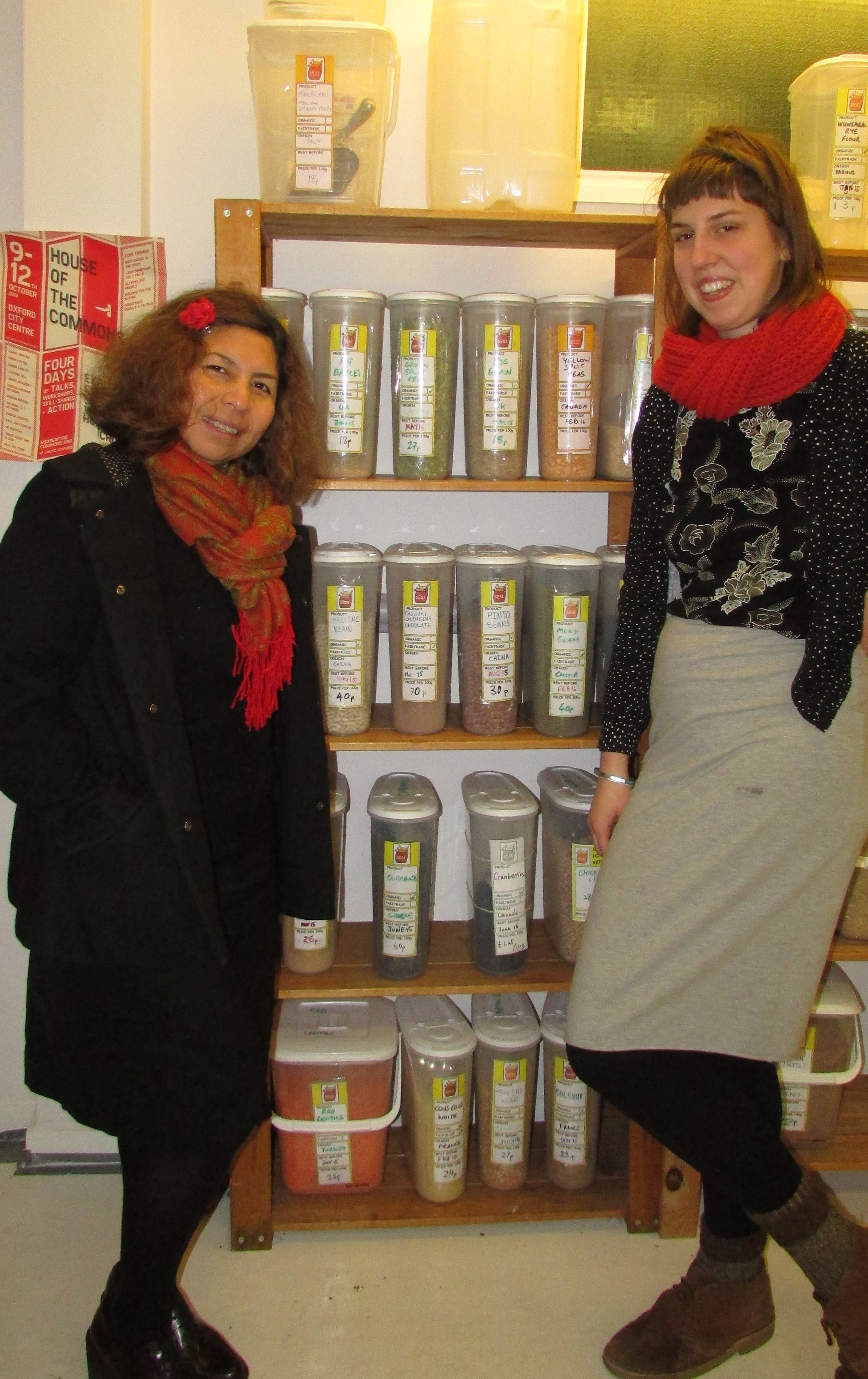
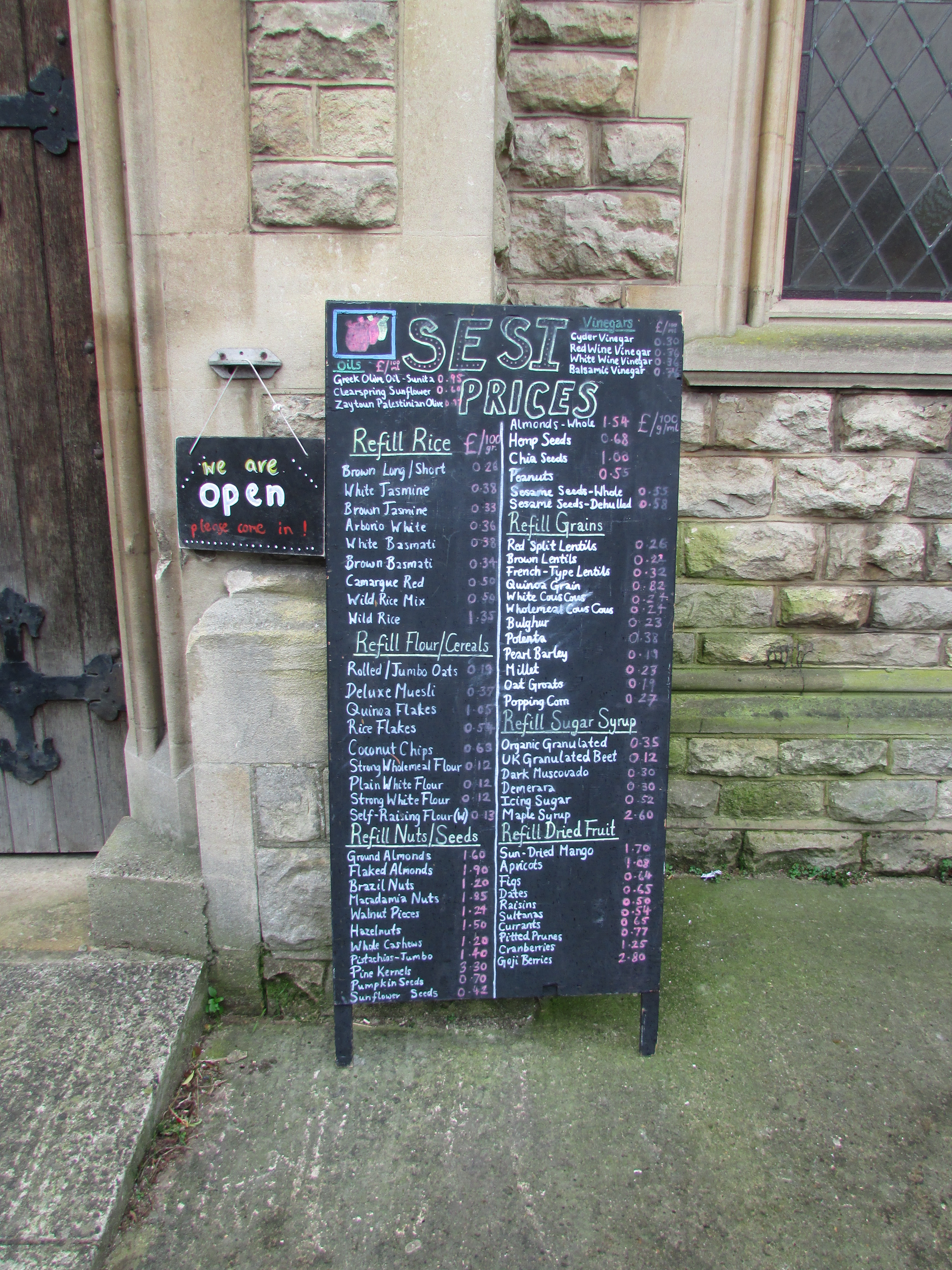
Sesi wholefoods dried beans, rice, oats and pulsesLast week I discovered a little gem of a shop held in the Methodist Church on Jeune Street, just off the Cowley Road, OX4. It was really quite a wonderful surprise to stumble across this incredibly environmentally considerate outfit.

Sesi (School Ethical Supplies Initiative) Food and Household are what they call a ‘refill station’ of local organic fair-trade food and eco-friendly household cleaning products. The idea is that you bring your own reusable containers, and fill up with the exact quantity of food or product that you require.

This means that if you want just 100g of cashews or quinoa for example you can have just that. Or if a recipe calls for 80g of dried borlotti beans you can buy just what you need, and no need to purchase more.

By reducing packaging and therefore minimising plastic waste, it means that Sesi can offer great organic and fair-trade products at very reasonable prices. Furthermore, by buying the exact quantity you need, often at the same price as it would cost to buy in bulk, there’s no unnecessary waste which is better for the planet as well as your pocket. It’s a fantastic scheme that I wish more shops would offer.

One of the most serious threats to our oceans is plastics pollution. Plastic constitutes approximately 90% of all trash floating on theSesi wholefoods and home cleaning products ocean’s surface, with 46,000 pieces of plastic per square mile. Unlike other types of rubbish, plastic is not biodegradable. Instead, it photo-degrades with sunlight, breaking down into smaller and smaller pieces, which never really disappear. These plastic pieces are then eaten by marine life, washed up on beaches, or broken down into microscopic plastic dust, attracting more debris.

Here’s some plastic facts that might shock you….

  • 50 percent of plastic is used just once before being throw away.
  • Enough plastic is thrown away each year to circle the earth four times.
  • We currently recover only five percent of the plastics we produce.
  • More than one million plastic bags are used every minute.
  • The majority of plastic bags are not recycled and instead sit in landfills.
  • It takes 500-1,000 years for plastic to degrade.
  • The Great Pacific Garbage Patch in California, is the largest ocean garbage site in the world. This floating mass of plastic is twice the size of Texas, with plastic pieces outnumbering sea life six to one.
  • One million sea birds and 100,000 marine mammals including turtles are killed every year from plastic in our oceans.
  • More than 1.6 billion gallons of oil are used each year to make plastic bags.

If we could just say no to plastic bags we would be slowing down the waste in landfill sites, save billions of animals from dying and stop the depletion of the Worlds oil reserves.

I think the Sesi team are doing a fantastic job at getting the ball rolling on this mammoth task. It’s important to remember that we can all do our bit to help save the environment as well as our pennies. I’m certainly going to make a concerted effort to carry my re-usable bags with me at all times.

SESI, School Ethical Supplies Initiative info

Nuts and seeds sesiSesi sells ethical dried goods, Ecover/BioD refills, organic lentils in bulk, fairtrade chocolate, tins, gluten-free pasta, local and gluten free whole foods refills etc. You can order via the order forms on the website (www.sesi.org.uk) and pick up or just pop into this handy new shop and see what they have in store.

Opening hours: Depot at Jeune Street Methodist Church open Mon – Fri 10am – 4pm. Home deliveries Mon 7-9pm, also to be found at East Ox Farmers Market on 1st & 3rd Saturdays and Wolvercote Farmers Market 2nd Sunday of the month, and at the Gloucester Green Farmers Market on Wednesdays too.

Huevos Rancheros – another awesome brunch recipe

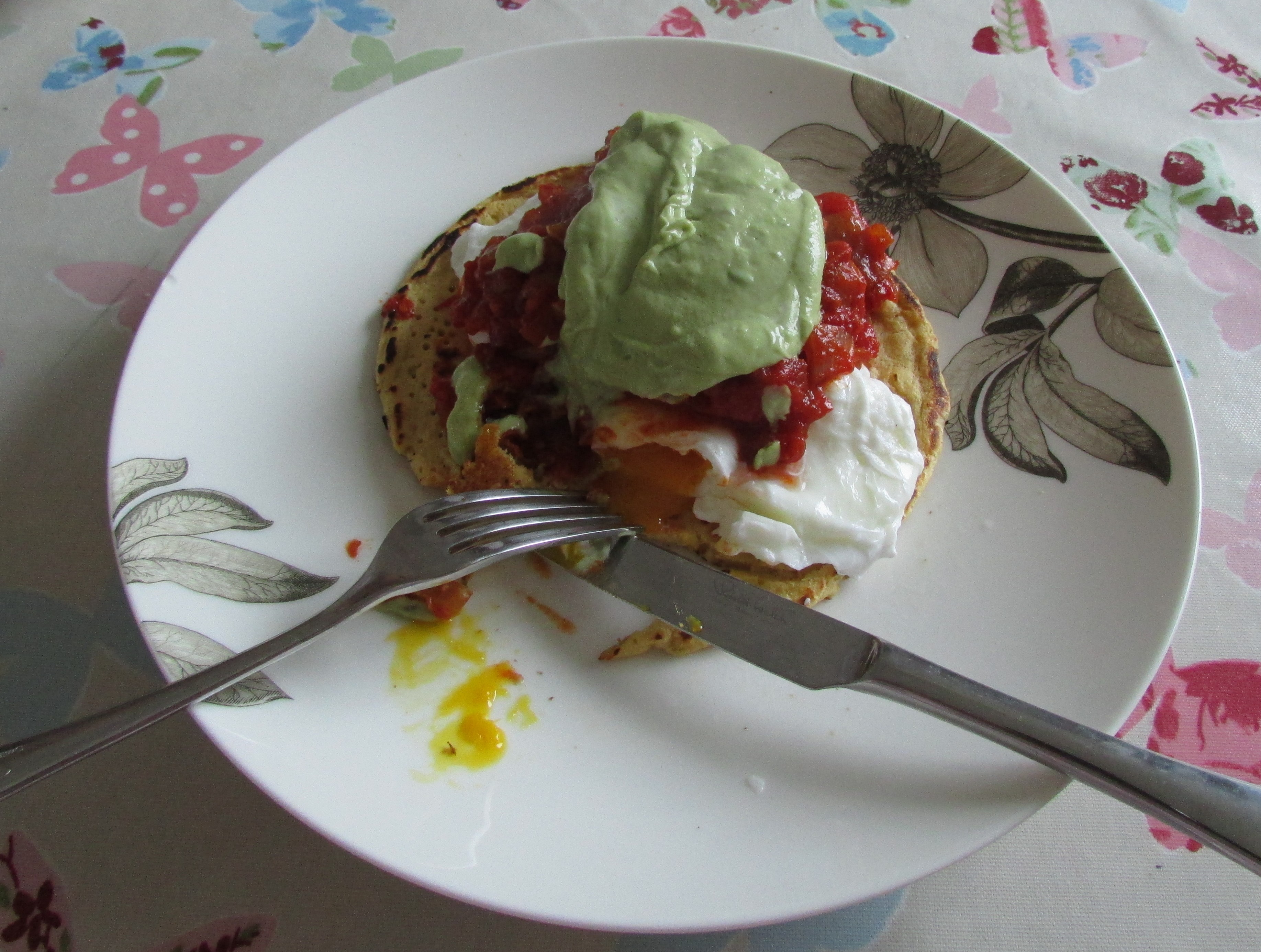
Huevos racheros - mexican breakfastAs I’ve mentioned before, weekend brunch is pretty important to us. It signifies a lazy morning where we don’t have to rush off to school or work. It’s a time to enjoy each others company and eat something delicious and hearty. This recipe has been a family favourite for many years. It incorporates some of my favourite flavours – spicy tomato, cool avocado and runny farm eggs (now sourced from Headington Farmers Market).

Corn tortillas are made with masa harina, finely ground cornmeal – which can be picked up from any Asian supermarket for about £1.20 a kilo. Tortillas are very quick and simple to make, and are a great accompaniment to any Mexican dish. They can also be deep fried to make tortilla chips.

Cornmeal is very high in potassium, magnesium and B6, with one corn tortilla providing about 8% of your RDA for these vitamins. Coupled with farm eggs and avocado and this becomes a very nutritious breakfast.

Here’s the recipe –

In a medium bowl, mix together 1 cup of corn flour and 1/2 a cup of hot water until thoroughly combined. Turn the dough onto a clean surface and knead until pliable and smooth. If the dough is too sticky, add more flour; if it begins to dry out, sprinkle with water. Then cover the dough tightly with plastic wrap and allow to stand for 30 minutes.

Preheat a cast iron skillet or griddle to medium-high. Divide the dough into 8 equal-size balls. Using a rolling pin, or your hands, press each ball of dough flat between two sheets of plastic wrap. Immediately place a tortilla into a preheated pan and allow to cook for approximately 30 seconds, or until browned and slightly puffy. Turn the tortilla over to brown on the other side for approximately 30 seconds more, then transfer to a plate. Repeat the process with each ball of dough. When cooked, do keep the tortillas covered with a tea towel to stay warm and moist until ready to serve.

In the meantime, finely slice an onion and 1 clove of garlic and fry in a little olive oil until brown. Add 1 tin of tomatoes and 1 or 2 dried red chilli’s depending on how hot you like it and allow to simmer until it reduces and infuses (about 5-10 minutes), season with salt and pepper. In the last couple of minutes poach some eggs and blend an avocado. Assemble together and enjoy.

Budget?

6 eggs = £1.20
1 tin of tomatoes = 34p
Onion, chilli, garlic = 20p
Corn flour = 80p
Avocado = 44p

Total = £2.98 for 4

Tip to keep the budget low – many grocers will sell avocados cheaply when they are over ripe – which is perfect for making guacamole. Any leftover cheese that needs using up is delicious grated on top.

Farinata – Chickpea flat bread

Farinata gluten free grain free paleo chickpea flourFarinata is a traditional pancake made from chickpea flour that originated in Tuscany. It is a delicious alternative to pizza and is often flavoured with fresh herbs and olive oil. Chickpea flour, otherwise know as Besan or Gram flour, contains 8 times as much folic acid as wheat flour and is also a good source of Thiamine, vitamin B6 both needed to regulate appetite and mood, plus iron, magnesium and phosphorus for healthy blood circulation, muscles and strong bones. Plus it’s a very cheap way to get these nutrients when on a budget, without having to take an expensive supplement.

The recipe is extremely simple – consisting of very few ingredients. 1 cup of chickpea flour and 2 cups of water need to be whisked together with 2 tbsp of olive oil and 1/2 tsp of salt, and then left to stand at room temperature for 3 hours (or over night).

Olive and sage gluten free paleo farinataTraditionally baked like a pizza, you need a very hot oven to cook the Farinata. So pre-heat your oven as high as it will go (gas mark 9, 240C, 475F), for one hour before baking. Use an oven proof heavy duty pan and place it in the oven to warm through.

Once you’re ready to cook, remove your pan from the oven (using oven gloves), coat the pan with olive oil and pour in 1 cup of your mixture which should sizzle and start cooking immediately against the hot pan. Quickly scatter a layer of your chosen topping (olives, sage, rosemary and fried onions) and place in the top shelf of the oven for 12 minutes. When it is cooked through transfer to the grill for 2-4 minutes until it is golden brown. Repeat with the left over mixture. Serve warm with any thing that takes your fancy – a few salad leaves or sliced tomato. Or perhaps some avocado or hummus dip. It’s filling, yet light and nutritious, as well as easy on the budget.

I buy my chickpea flour from an Tahmid supermarket on Cowley Road, but any India supermarket will stock it at around £3 per kilo.

This recipe is very frugal.

1 cup of chickpea flour = 80p
Olives = 30p
I used sage and rosemary from the garden
1 onion = 5p
Olive oil = 10p

Total = £1.25 for 4 people
+ £1 for salad leaves and avocado

Vietnamese Spring Roll Wraps & Asian Coleslaw

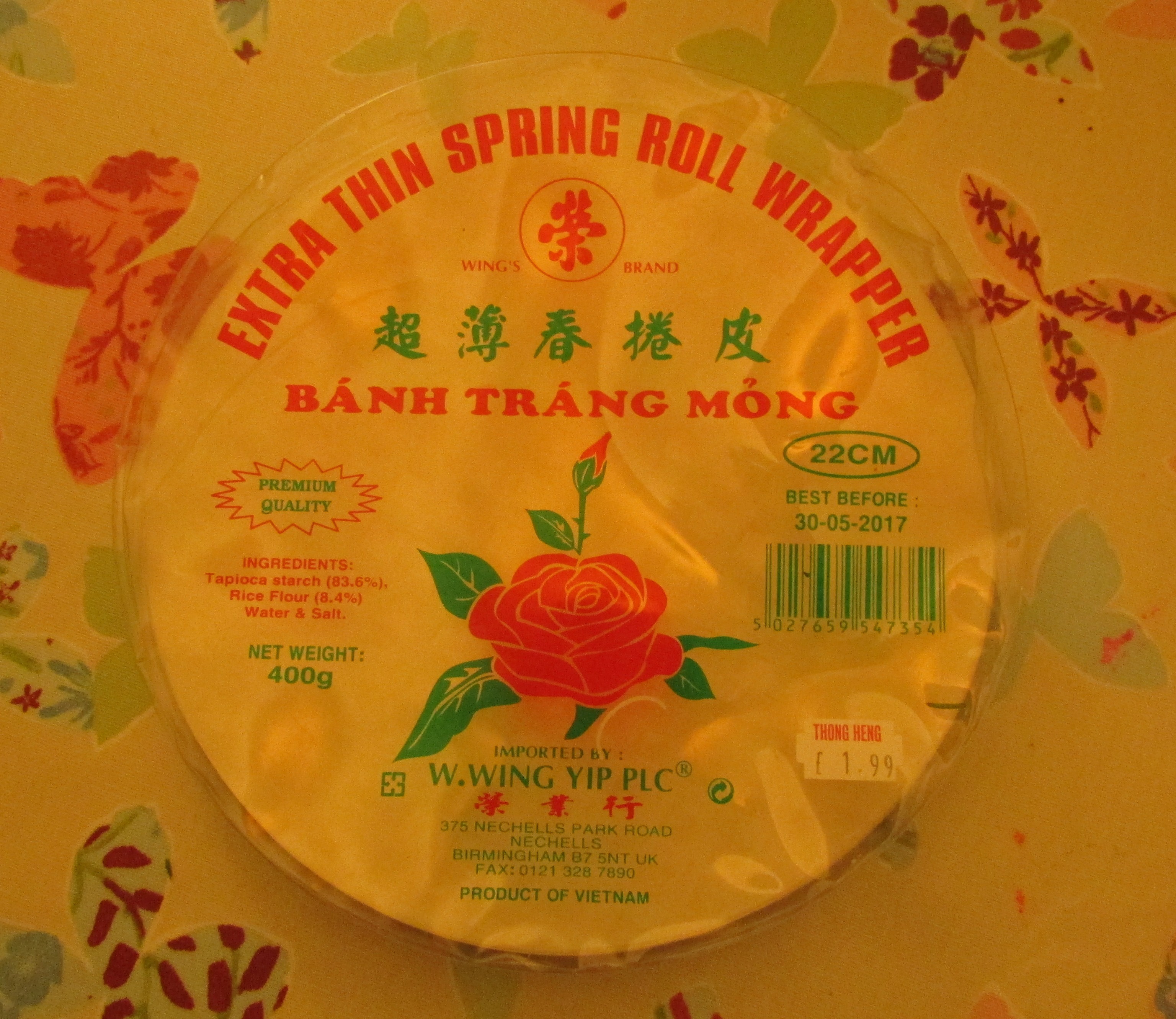
Vietnamese rice wrapsI love Vietnamese food, but I’ve never attempted spring rolls at home before. When I was out locating some of our local Asian supermarkets in Oxford – Thong Heng Oriental on Windmill Parade in Headington, Jing Jing on Cowley Road and Lung Wah Chong next to Oxford train station – I noticed just how cheap the spring roll rice wraps were. You can buy a pack of about 40 (maybe more) for just £1.99. Plus you get to fill them with exactly what you want (or whatever you have left in the fridge at the end of the week).

I’ve also been on the hunt for good cheap fish in Oxford. Geographically Oxford isn’t really well positioned for fish, and as a result we are short of local fishmongers. I did however come across The Fish Market Oxford, which is the wholesalers that supply the fish to the Oxford Covered Market. They also deliver to your door.

Before Christmas I paid them a visit and found some excellent deals which I’ll be blogging about soon. One was their large bag of cooked and peeled prawns that I keep in the freezer for rare occasions. When used in spring rolls this way, you don’t have to use too many and so it can work out quite cost effective. Here’s the recipe:

Rice Wrap Vietnamese Prawn Spring Rolls

Vietnamese rice wraps and asian coleslaw 2Take 100g of rice vermicelli noodles and soak them in boiling water for 5 minute until they are soft, then drain. Finely slice any vegetables you have in the fridge that you think may be suitable. I used cucumber, mushrooms and grated carrot and a handful of home grown coriander and mint. But spring onions, peppers, courgettes and even grated beetroot would work. Once you have about 1 cup of chopped vegetables add these to the noodles plus 100g of defrosted cooked peeled prawns. Season with the juice of half a lime.

Fill a flat serving dish with hot (not boiling) water. Soak 1 pancake at a time for 15-20 seconds until nice and soft. Spread the rice wrap on a plate making sure it’s not sticking to itself. This bit can be a bit fiddly but after a few it’s easy to get the hang of it. Place a handful of the noodle prawn mixture into the centre of the wrap. Roll from the side nearest to you tucking the bottom edge over and under the filling. Fold in the sides and roll upwards to complete the roll. The rice wrap should stick to itself to form the seal. I made 3 per adult and 2 per child. They are quite filling. Don’t over fill or they split.

For the dipping sauce you can make a simple chilli dip with grated garlic, ginger, chilli, lime juice and 1 tsp of sugar in a little warm water. If you like it salty you can add a tbsp of soy or fish sauce too. Or my favourite, home made Satay sauce. This is easy to make and absolutely delicious on anything and everything.

Satay Sauce Recipe

Take half a tin of coconut milk and heat with 2 tbsp of home made peanut butter. Season with 2 tsp of soy sauce, grated ginger, 1 glove of crushed garlic and 1 dried chilli. Delicious!

I served everything with an Asian coleslaw which was simply grated cabbage, carrot and onion with a chilli, garlic and lime dressing. EASY!

How’s the budget?

10 rice wraps = 40p
Rice noodles = 50p
Chopped veg for filling = 30p
100g of prawns = 85p
1/2 lime = 15p

£2.20 for 10 wraps

Satay Sauce
1/2 tin of coconut milk = 50p
2 tbsp peanut butter = 20p
soy, garlic, ginger, chilli = 20p

Total 90p

Asian coleslaw
1/2 cabbage = 50p
Carrots = 20p
Onion = 5p
Lime, chilli, garlic, olive oil = 30p
Total = £1.05

Everything together = £4.05 for 4 people

If you want to make this even more frugal you could replace the prawns with crushed peanuts and use the chilli lime dressing instead of Satay sauce. This would probably save you £1. You could also experiment with left over roast chicken or sliced tofu – a very versatile recipe.


Westmill Organics veggie box

Westmill Organics Veggie boxI received a wonderful veggie box today from Westmill Organics.

It contained – 2 small squash, leeks, potatoes, onions, beetroot, spring cabbage, red peppers and beautiful yellow and purple carrots. It’s a good job it arrived today as my fridge was looking pretty bare. Now I’ve got some inspiration to meal plan for the frugal week ahead.

I’m thinking beetroot and smoked mackerel salad, roast squash and cumin soup with home made bread, Mexican chilli and cheese peppers, spring greens spaghetti and perhaps a chicken & leek pie with mash and steamed carrots on Sunday if the budget will stretch that far.

I’m feeling pretty smug this week as Westmill Organics offer one trial £10 veggie box for FREE. So we are eating all these beautiful organic locally sourced veggies for absolutely nothing this week.

Westmill organics logoWestmill Organics is located at Westmill Farm on the border of Wiltshire and Oxfordshire. They have been growing organic veg for over 16 years and have won numerous awards and recognitions for quality, taste and service.  They don’t use any pesticides or herbicides on the land and only fertilise soil with natural compost and green manures.

They offer four different sizes of veggie box, a small and large fruit box, farm eggs and a variety of wheat, spelt and rye sour-dough and yeasted breads. They deliver from Swindon to Oxford and all the villages in-between.

If you’d like to order a veggie box or get a trial £10 for FREE visit their website here. Alternatively call on 01793 783569 or email info@westmillorganics.co.uk

Oxford Dexter Beef – Pegtop Farm Woodeaton

I believe that we are born carnivores and so should consume some meat as part of a healthy diet. However, I do not agree with the quantity of meat we consume in the UK.

If you look at the past Century, meat consumption overall has risen dramatically, and with this, standards for animal welfare have fallen in order to meet demands. Growth promoting hormones and steroids are given to livestock to help speed up the production of  beef, and cattle are given unnaturally rich diets to fatten them up.

Meat has more of an impact on the environment than any other food we eat. That’s because livestock require so much more food, water, land, and energy than plants to raise and transport.

The answer to this, from a health, animal welfare and budget perspective is to focus on quality not quantity. In other words to eat small portions less frequently but source local organic free range produce where possible.

Pegtop farm mince beefI discovered Pegtop Farm during my research for this blog. It’s in Woodeaton a little village in East Oxford just outside the ring road.

The beef produced here comes from cattle that are mature (24 months) and have grown slowly with an emphasis on animal welfare and a care for the environment.  It’s also processed and packaged locally for supply direct to the consumer from the farm.

The unique nature of the Dexter Breed means that the meat produced has exceptional flavour and succulence. It’s so delicious that many of the local restaurants have discovered this little secret.

I dropped in one day in December to investigate and was warmly welcomed and shown around. I was surprised to find that whilst you can buy premium cuts of beef, the stewing steak, steak and kidney mix and mince are as competitively priced as Tesco’s which has come all the way from Ireland. There really seems no comparison.

Frugal beef and bean chilliI bought a pound of mince and have been using it for this weeks meat quota.

On Monday I made a huge chilli (recipe to follow), with plenty of beans and vegetables to bulk it out. So far it has provided enough for two family meals, and my husband took it to work one lunch.

If you’d like to find out more about Pegtop Farm and Dexter beef have a read of their website here.


Week 1 eating on a budget

I have to admit, the last week has been exhausting. Sourcing all the budget produce, cooking it up, making sure there’s no waste and then writing about it. E-X-H-A-U-S-T-ING!

But now we’re in the swing of things it’s getting easier.

£10 veg and fruit box from The Garden Market at EynshamLast week I trialled a beautiful £10 veggie box from The Market Garden at Eynsham, which I then based all my family meals around.

I sourced a free range chicken from Cowley Road butchers Alders which I turned into 3 family meals including roast chicken, chicken and chickpea curry as well as boiling the bones for the tastiest Butternut squash soup I’ve ever made.

We used up leftover Christmas cheese and made our own kale pesto.

Frugal organic peanut butter hummusI discovered the art of soaking and boiling pulses when I made my own frugal peanut butter hummus. I then kicked myself for not doing this sooner and saving a tonne of money!

My husband took leftovers to work every day, and we made buttery flapjacks instead of buying the usual after school snacks.

Lastly I bulk cooked a few meals to be stored in the freezer for the weeks ahead.

Vietnamese rice wraps and asian coleslaw 2The highlights so far were Friday night’s home made prawn and rice spring rolls with Asian coleslaw (recipe to follow), and having friends over for Brunch on Saturday morning where we cooked up a bubble and squeak storm and tried out those delicious Headington Market Farm eggs.

Yes, I can’t believe we actually managed to entertain when on a tight budget. But hang on a minute, let’s see how the purse strings are doing….


Here’s a list of everything bought and how much it cost:

1 x Veggie box = £10
Spaghetti squash = £1
1 red pepper = 20p
Cabbage = £1
Farm eggs = £1.20
Chicken = £4
Butter = £1
Natural yoghurt = 50p
2 tins tuna = £1
Bulk organic Oats = £5
Lemon & lime = 50p
1 large tin of spinach – £1.29
Dried chickpeas = £1.99
Dried split peas = £1.99
Oranges & bananas = £2
Pasta, rice, olive oil & sugar from the larder = £2
Rice spring roll wraps  = £1.99 (for 40)
Tinned tomatoes x 2 = 64p
Salad & cherry tomatoes = £2
Creamed coconut = £1
Prawns = £1
Peanuts = £4

Total = £44

frugal bubble and squeak brunch recipeConsidering we’ve got enough oats, chickpeas and yellow split peas to last us a month, I’ve made 3 jars of peanut butter, there’s enough Dahl and spinach in the freezer for another family meal, I’ve definitely got enough veggies and wraps for more spring rolls next week, we’re not doing too badly. Plus I’m sure I’ll get more efficient as the weeks go on.

If you’ve been reading and following, thank you. I’d love some feedback or any frugal recipe ideas. Please drop me a line or leave me comments below.

Budget breakfasts for the family

I was on BBC Radio Oxford yesterday talking about the importance of breakfast, and it occurred to me that you’ve probably been wondering what we’ve been eating for breakfast all week.

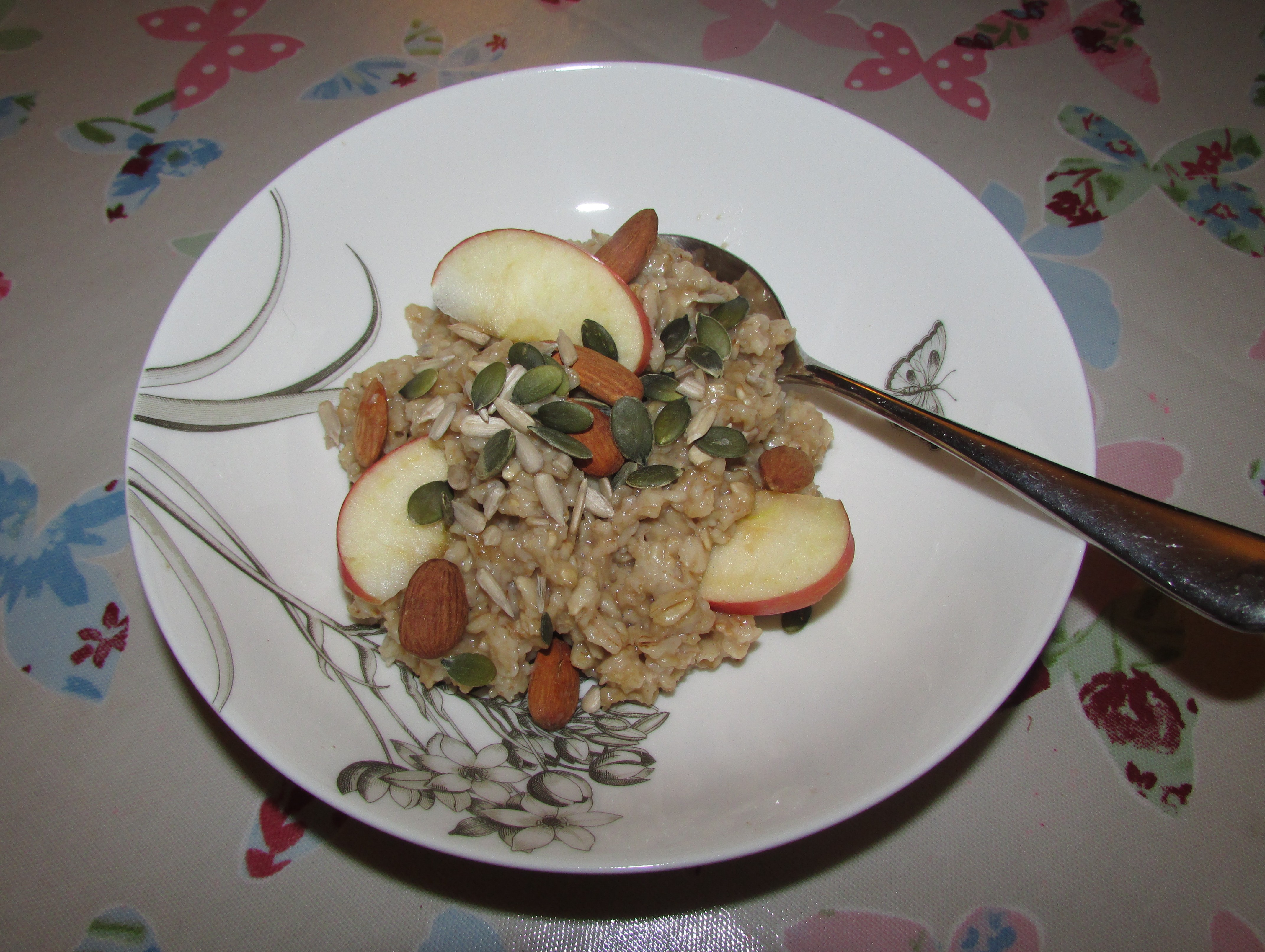
Porridge with nuts, seeds and appleWhen you’re on a budget, toast and cereal seem the only viable option. After all, with 20 servings in a box of Coco pops only costing £3, and a loaf of supermarket bread costing only 50p that does seem attractive.

However, it turns out that in many stores the ‘freshly baked bread’ isn’t fresh at all —it’s been cooked weeks before in a factory miles away and sent frozen to be re-heated in that in-store ‘bakery’. It therefore contains many preservatives and additives often not listed on the label to stop it from going stale – yuk! So for a healthy diet, supermarket bread is out the question I’m afraid.

When it comes to choosing cereals, even healthy products such as Bran flakes, Special K Oats & Honey or most granola’s contain over 20% sugar. Whilst Froot Loops, a cereal marketed at children, contain a whopping 41% sugar – that’s nearly 3 times more sugar than a McDonalds apple pie! The UK Food Standards Agency stipulates that a sugar content of 15% is considered high, and any food containing this amount should be limited.

Furthermore, since the 1930’s, packaged breakfast cereals have been produced via the method of extrusion; a process that ensures that a product has uniformity. For example, Cheerio’s are all the same shape and size. You can read about the process here.

Unfortunately this method uses high temperatures which damage important nutrients including raw food enzymes, vitamins and minerals. This is why cereals are often fortified with vitamins – otherwise they wouldn’t contain any at all! Furthermore, research shows that extruded grains are in fact toxic to the nervous system.

These high sugar commercially boxed cereals have been around for less than 100 years. You could call them a fad of the 20th Century! If you look at traditional breakfasts from around the world – eggs, beans and corn tortilla in Mexico, Dosa (lentils pancake) in India, and rye bread, meats and cheese in Germany you’ll get a better idea of what we should be eating.

But how can we get a healthy filling breakfast without busting the budget?

My answer is OATS! A traditional Celtic breakfast!

Melissa eating oats and strawberries for breakfastOats are a modest grain yet highly nutritious! One cup of oats will supply nearly 70% of your daily needs for manganese, a mineral that helps enzymes in bone formation. You’ll also get a generous helping of vitamin B1, magnesium and potassium.

Among all grains, oats have the highest proportion of soluble fibre. This type of fibre absorbs water and substances associated with high blood cholesterol on transit in the gut. Studies show that people with high cholesterol who eat just 3 g of soluble fibre per day can reduce their total cholesterol by 8%!

Also good for digestion, the fibre in oats sweeps like a broom through the intestines, moving food effortlessly along and helping to prevent constipation. Studies show that people with reflux and heartburn who eat a high fibre diet  experience fewer symptoms.

We love porridge in our house hold. My daughter has eaten it since she was a baby, and we have it for breakfast most days sprinkled with nuts, seeds and natural yoghurt, or Melissa’s preferred way – with peanut butter (see our frugal home-made peanut butter recipe here). If you’re not a fan of porridge you may want to try this simple flapjack recipe to receive the benefits of oats.

frugal bubble and squeak brunch recipeAt weekends, with a little more time on our hands, our preferred brunch is eggs using beautiful farm eggs from Headington Farmers Market. Our budget bubble and squeak and poached egg (recipe here) or our Mexican spicy eggs on a corn tortilla with guacamole (recipe here) are firm favourites!

If you have a favourite budget breakfast or brunch please do share the idea or recipe here. Thanks for reading!