Category Archives: Blog posts

Here’s where I’ll post all my day to day musings and findings on eating local and organic on a budget.

Week 3 eating on a Budget

We’re nearing the end of our journey. We’ve completed over 3 weeks of eating all our food for just £100 a month using as much local Oxfordshire produce as possible.

But how have we done?

Whilst we’re coming in a little over budget, I think that we have learned an awful lot about how to keep the cost down. If we continue for another month or two I reckon we could manage to consistently keep with in budget. I’ve also noticed that our plastic waste has been reduced a great deal – this is because we’re now buying all our vegetables covered in soil rather than cellophane, which has become my new motto! And because we’re now eating 100% organic I no longer peel but scrub our fruit and vegetables instead. This saves on food waste too!
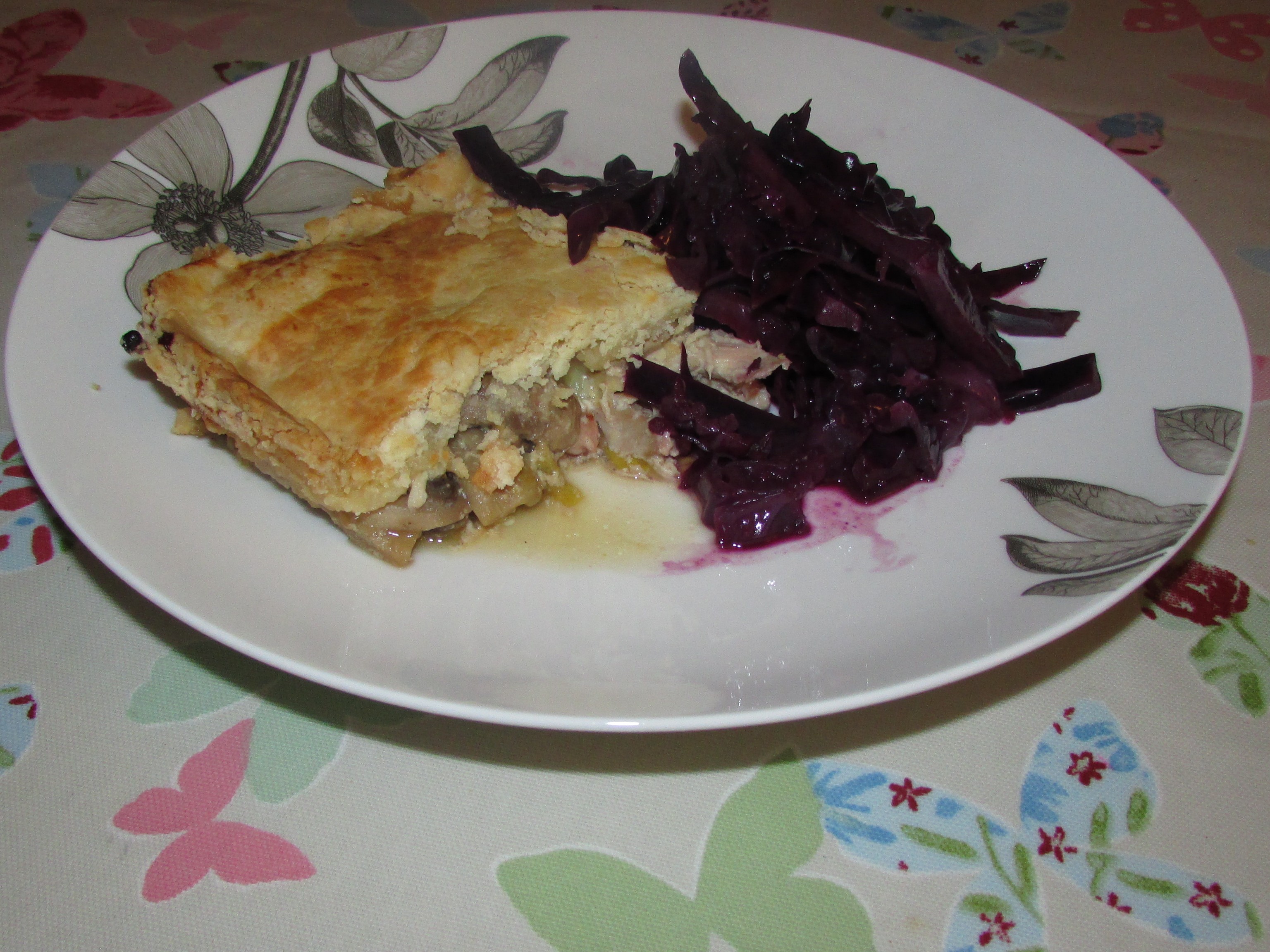
Chicken pie and red cabbageHighlights of the week were home made chicken, leek and mushroom pie made with chicken thighs from Alder’s butchers on Cowley Road, Mackerel and beetroot salad, French onion soup and home made chocolate brownies.
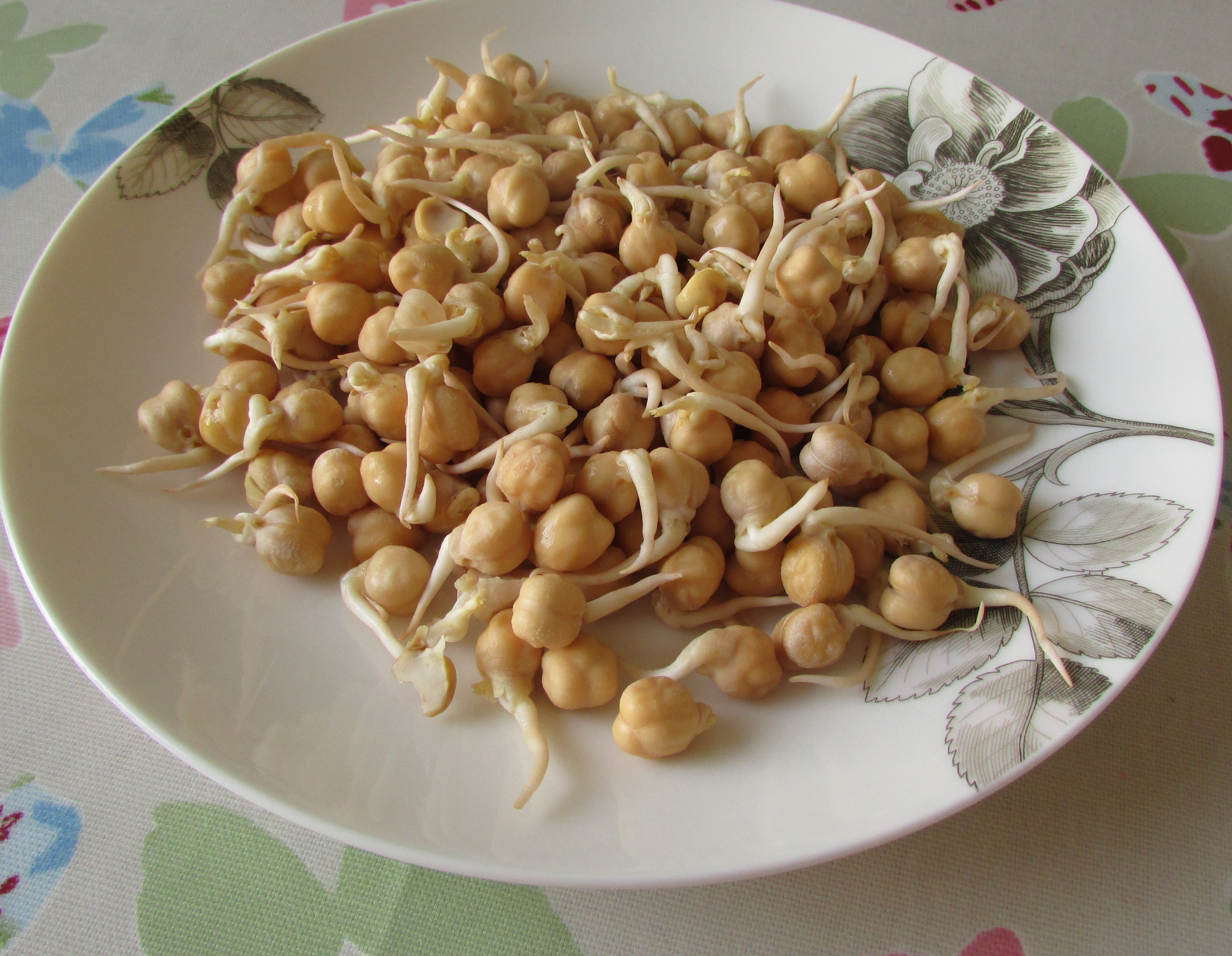
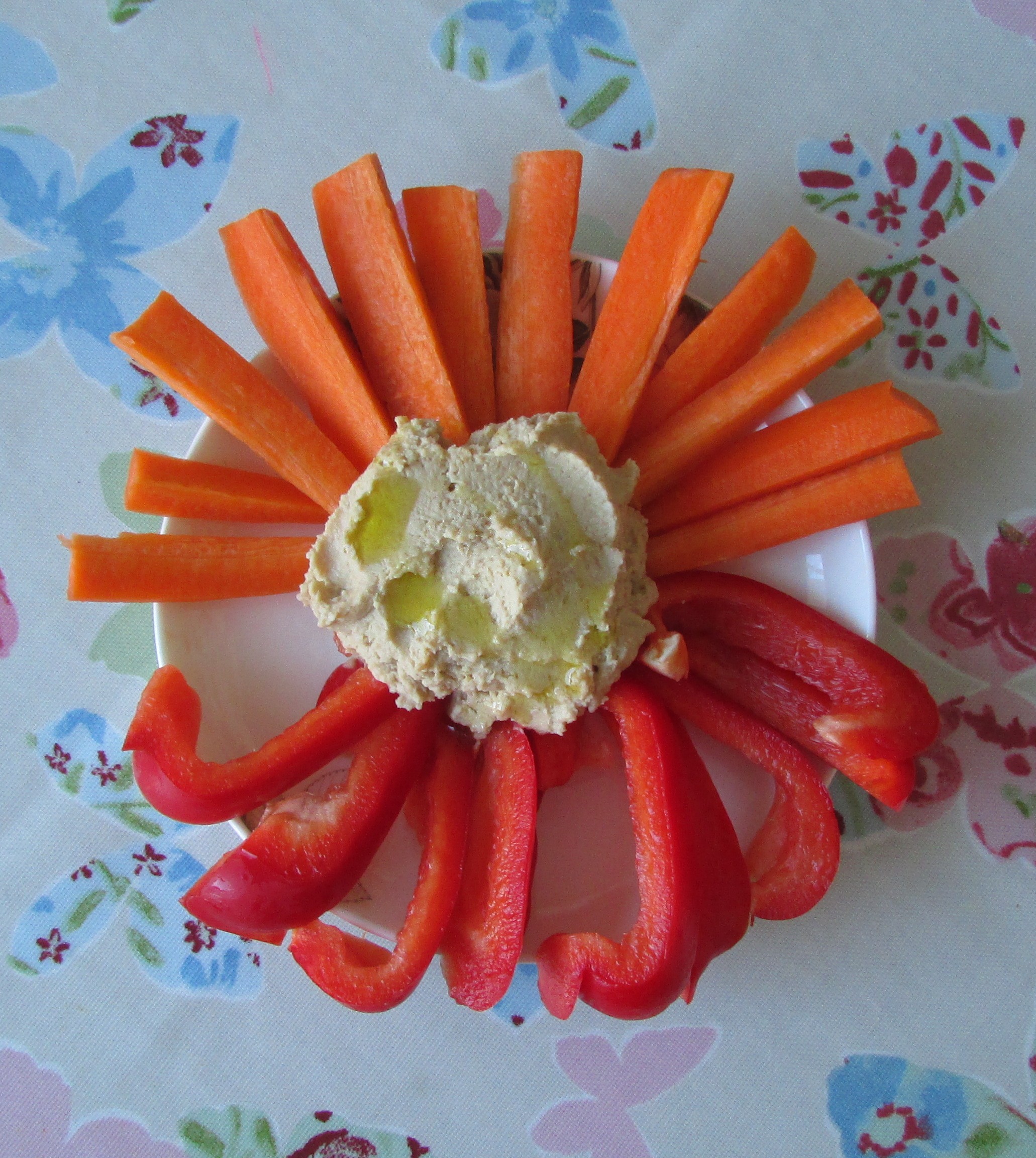
Chickpea sproutsWe also learned how to sprout chickpeas which were a delicious addition to our salads. I even attempted making falafels and raw hummus which is said to contain very high amounts of many vitamins and minerals – read more here.

I appeared on the mid-morning show at BBC Radio Oxford talking to Howard Bentham about how we can reduce food waste in the UK. Please click here to listen.
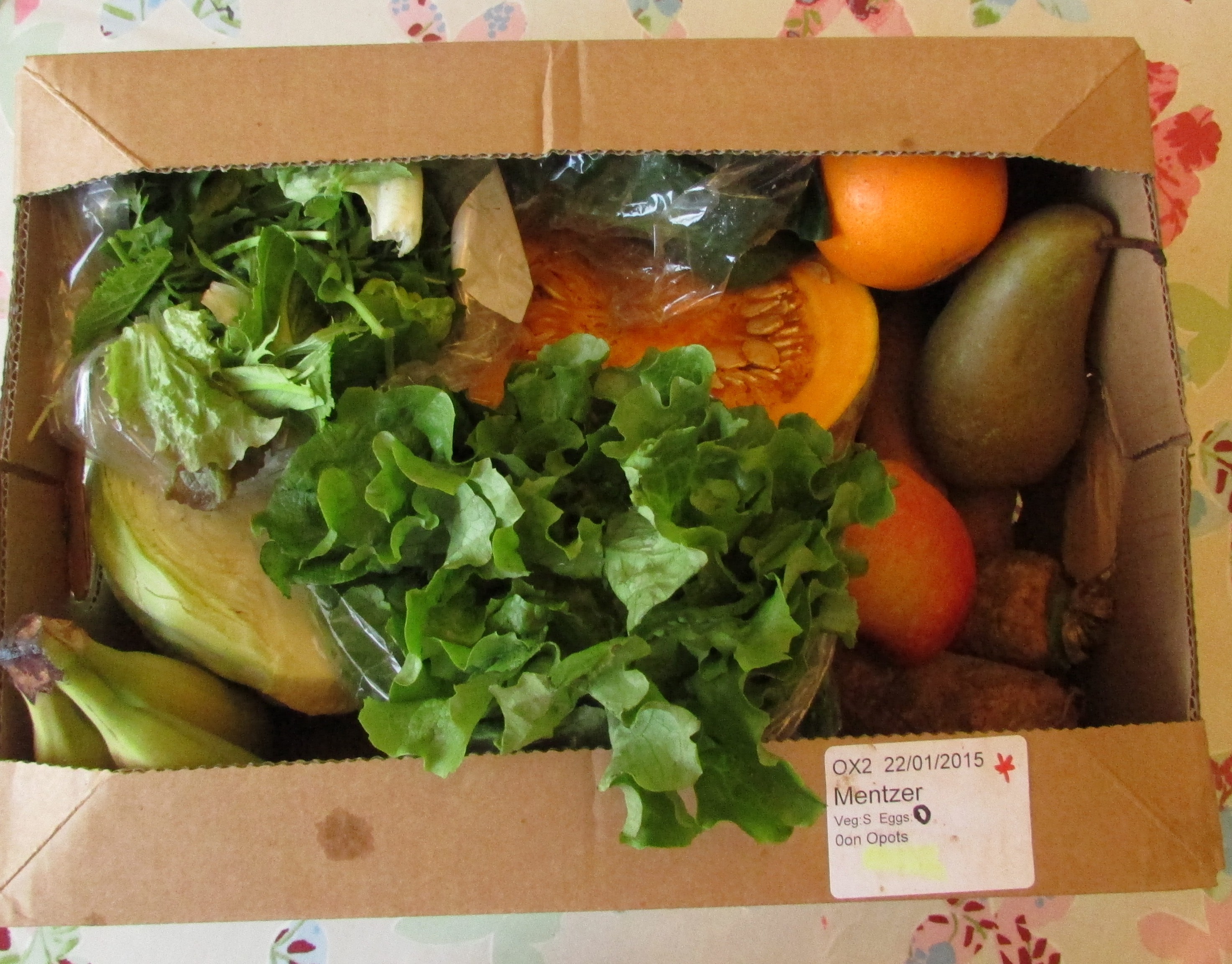
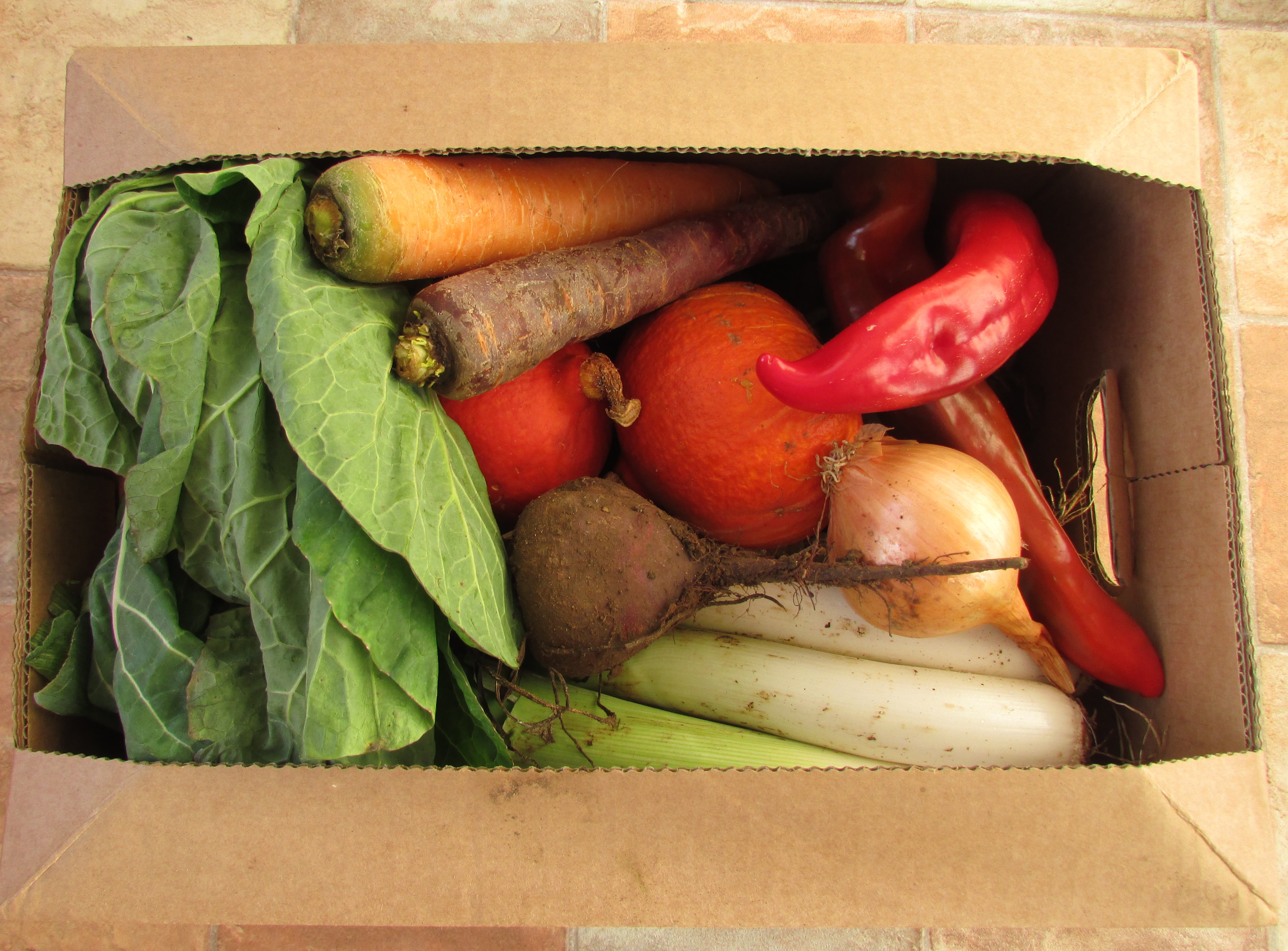
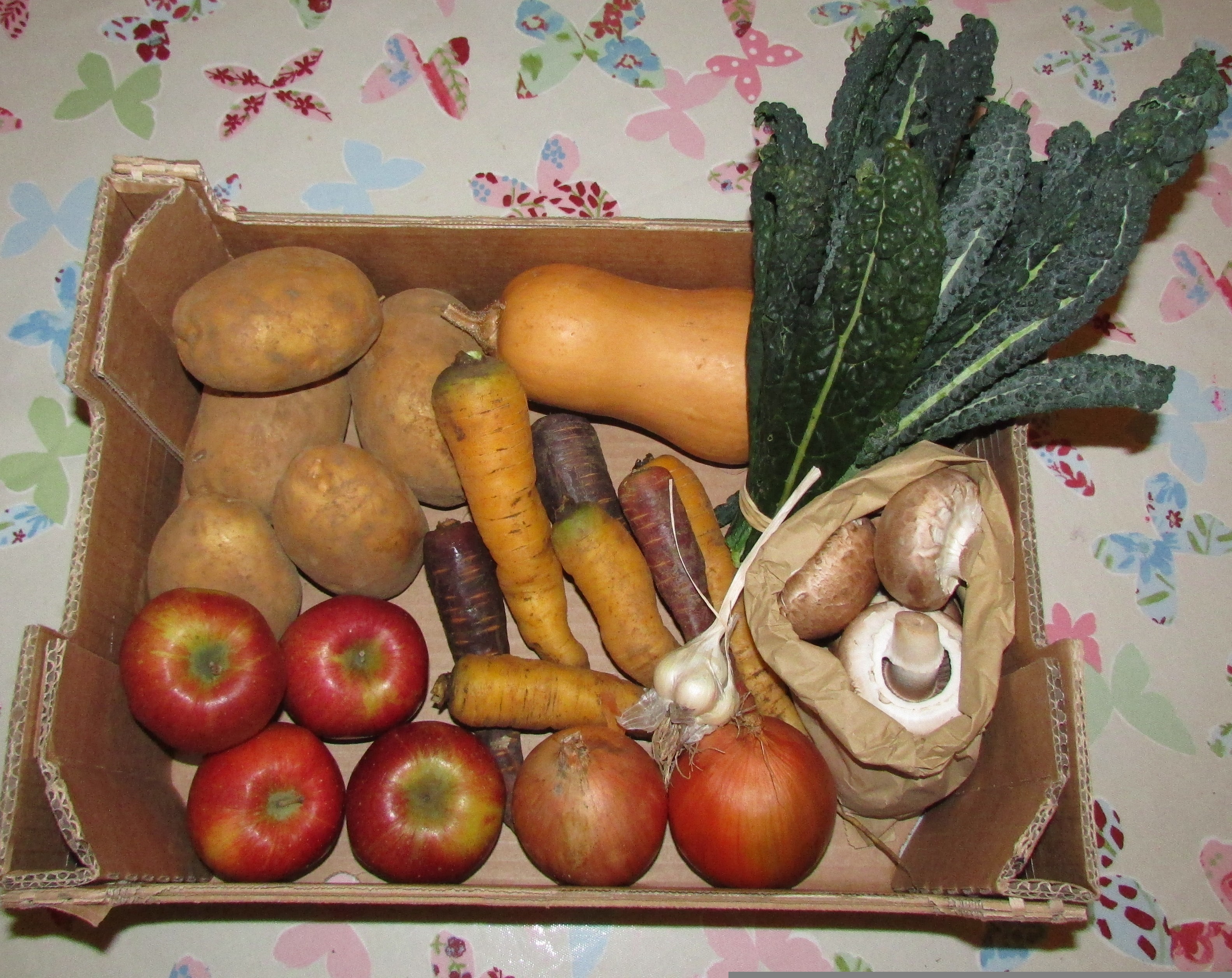
North Aston Organics Veggie BoxOur vegetables and fruit came from North Aston Organics. It arrives on a Thursday at a secret location in Cowley Road. The shift of delivery day meant that we had to eke out the previous weeks veggie box, which actually helped us reduce the budget.

As a result I still have quite a few vegetables left for next week including leeks, carrots, pumpkin, lettuce and half a cabbage.

Here’s the breakdown

Veggie and fruit box = £14.50
Yoghurt – £1
Butter = £1
Chicken thighs = £2.50
Stock bones = £1
Mackerel = £1.60
Cheese = 75p
8 Eggs = £1.60
Anchovies = 50p
Chocolate = 30p
Tinned tomatoes x 2 = 64p
Pasta, rice, flour, olive oil & sugar from the larder = £1
Avocado = 50p
chickpeas & yellow split peas = 28p
Lemon & lime = 50p
Garlic & herbs = 20p

Total for the week = £29.87

Total spend over 3 weeks = £93.60

I can see we’re going to be eating plenty of rice and dahl next week to try and reduce our budget even further.

Thanks very much for reading and following. Your emails, tweets, facebook messages and comments are very welcome. Please continue to drop me a line if you have any frugal recipes or know of any hot deals around Oxfordshire.
10 ways to get more vitamins WITHOUT changing your diet

Since feeding the family on a tight budget, I’ve become more concious about making sure we’re getting all the recommended amounts of vitamins and minerals in order to stay healthy.

No longer can I afford to top up on vitamin C by buying a punnet of blueberries, or buy expensive supplements to make sure I’m getting enough minerals. It’s become more about making the most of what I’ve got at hand, and in this process I’ve discovered many ingenious ways to get more vitamins and minerals WITHOUT changing your diet. Here’s what I’ve discovered….

1) Scrub don’t peel!
If you’re buying organic, there’s not need to peel fruit and vegetables including potatoes, parsnips and carrots. After all, most of the vitamins and minerals lie just below the surface, and the skin contains lots of soluble fibre to aid digestion. I find a good scrub is all that’s needed!

2) A squeeze of lemon on your green leafy veg
Adding vitamin C from lemon or lime juice to your spinach, greens, kale, lettuce, rocket etc aids in the absorption of Iron. If you’re not eating red meat regularly you may be low in Iron. Iron is needed to carry oxygen around the body and a deficiency could make you feel tired.

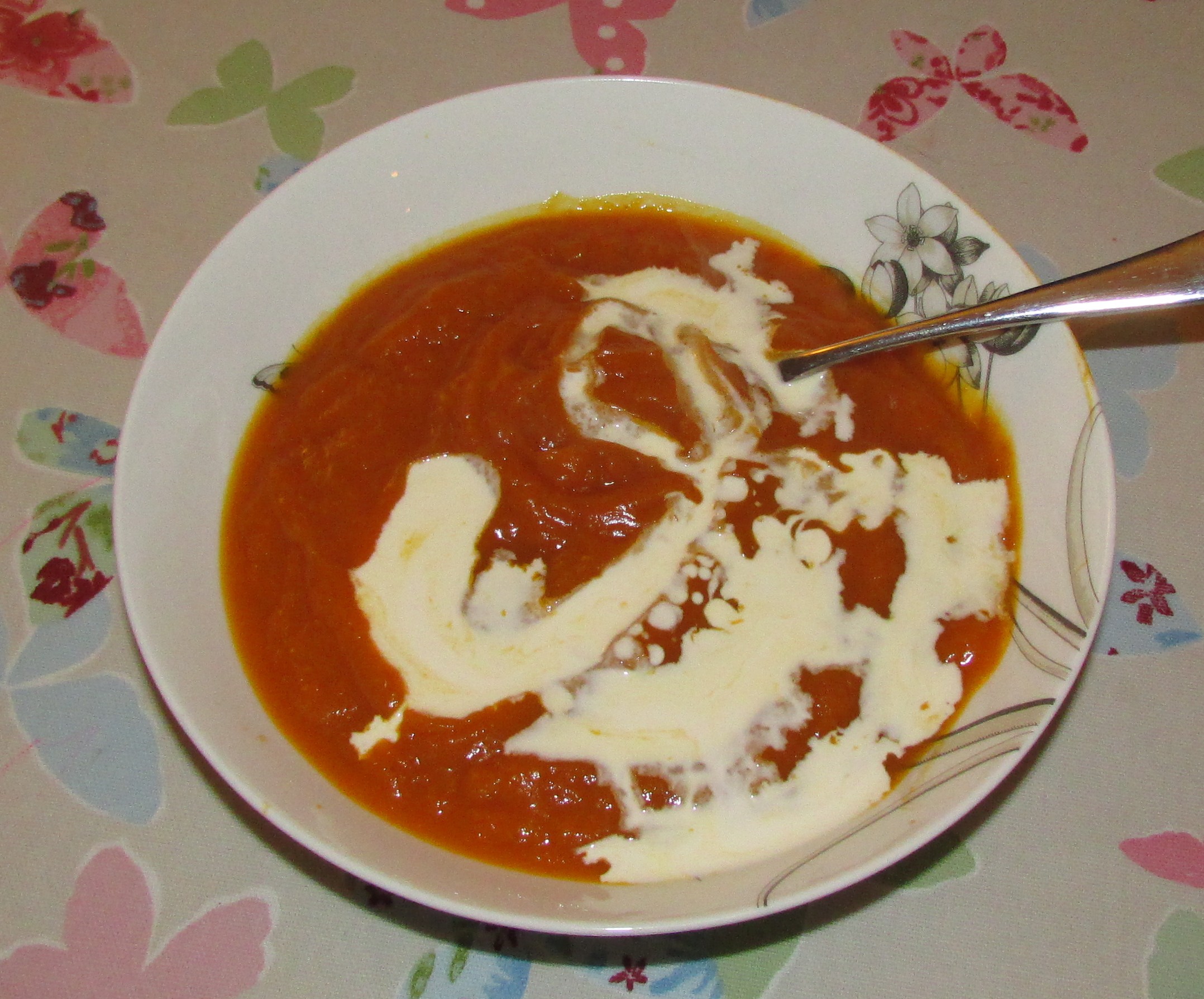
Roasted squash and cumin soup3) Put butter or olive oil on your vegetables.
By adding fat to your vegetables you absorb more of the fat soluble vitamins – A, D, E and K. So dress your salad with olive oil, put a knob of butter on cooked vegetables or yoghurt in your soup. It tastes better too.

4) Soak your beans over night
Soaking dried beans, lentils and pulses overnight before cooking increases the availability of B and C Vitamins.

5) Sprouting
Better still, once you’ve soaked your beans over night, allow them to sprout for a few days. Sprouting can increase the vitamin and mineral content of a legume by as much as 30 times! This is because sprouting (see how to sprout here) reduces phytic acid which can block the absorption of certain nutrients. Sprouts are therefore a fantastic way to stock up on vitamins and minerals.

Chickpea sprouts6) Steam rather than boil
Steaming vegetables results in a more nutritious food than boiling, because fewer nutrients are leached away into the water, which is usually discarded.

7) Keep the boiled water for gravy
If you do boil vegetables for instance potatoes or parsnips, keep the boiling liquid and use it for gravy. You’ll make good use of the vitamins that have leached into the water.

8) Cook meat on the bone
When cooking a stew or roast, make sure you use meat on the bone. The minerals from the bones leach into the stew making it extra nutritious and tasty.

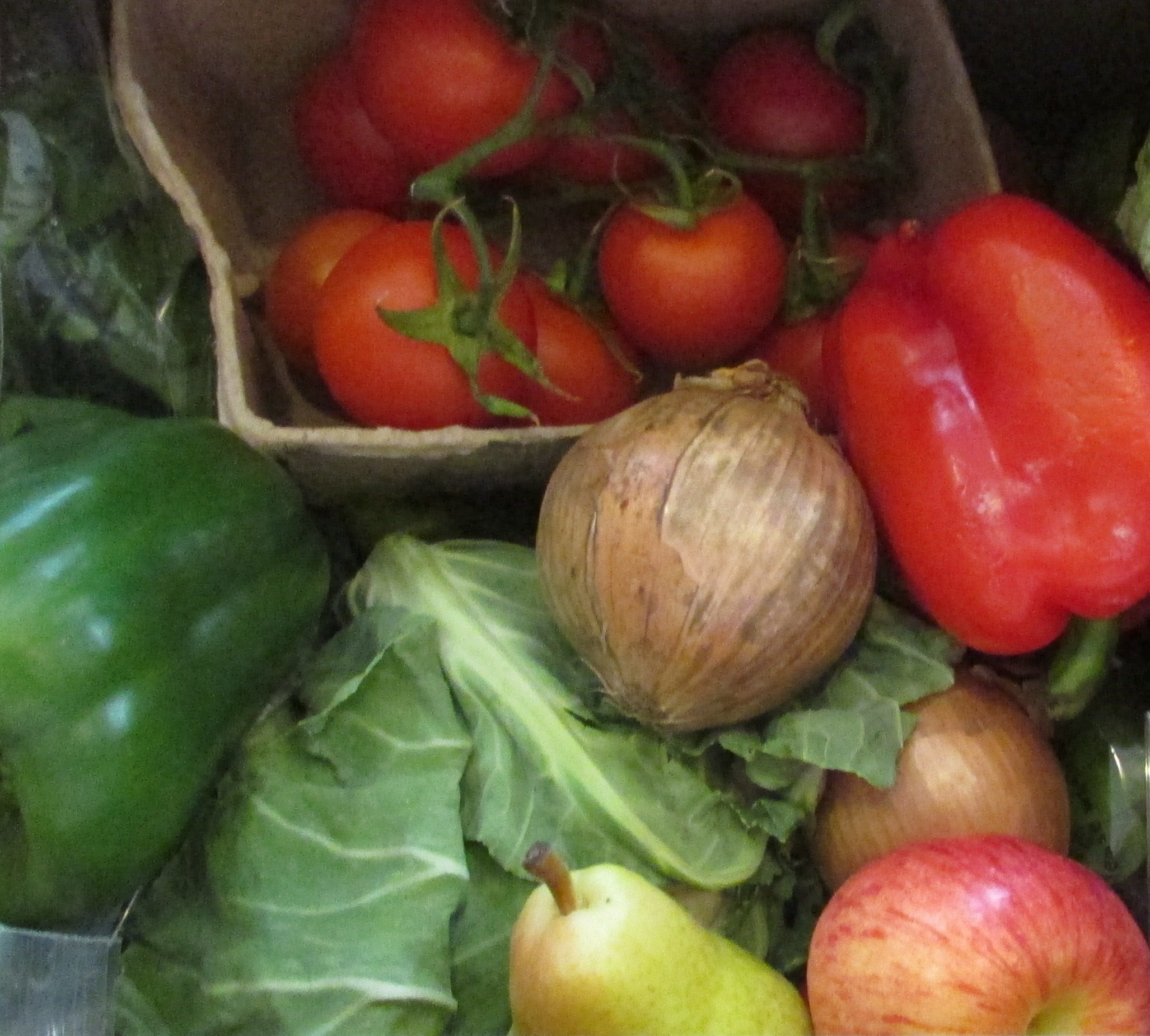
veggie box (2)9) Cook your Carrots
Beta carotene (the orange pigment in carrots that makes vitamin A) is more available to the body when cooked. Other vegetables that are more nutritious when cooked include – tomatoes, broccoli and other cruciferous vegetables like brussels sprouts, cauliflower, kale and bok choy .

10) Chew your food thoroughly
Chewing your food well aids in digestion so you’ll end up absorbing more nutrients.

You see, there are many ways to increase vitamins without taking expensive supplements or eating specialist super foods. As a friend just told me (thanks Christine) – you don’t have to be wealthy to be healthy!

Sprouting chickpeas

I love sprouts and have often bought a pot of mixed sprouts from health food stores, but I’ve never attempted my own. Why I’m not entirely sure, but it’s probably because I consider sprouting like having a mini garden inside and I’m always the first to kill a pot plant.

Despite my trepidation I gave it a go, and I Chickpea sproutshave to say, sprouting chickpeas this week was probably one of the most enjoyable gardening sessions I’ve every had. Plus, I didn’t even have to buy any fancy equipment or even put on some gardening gloves! My kind of gardening.

When you sprout chickpeas it reduces the phytic acid content by about 40%.  This means that you absorb a lot more of the minerals and protein that chickpeas have to offer.

In fact, one serving of sprouted chickpeas contains 105mg of calcium, 115mg magnesium, 366mg of phosphorus, 875mg of potassium, and a whopping 557mcg of folic acid. As well as trace amounts of iron, sodium, vitamin C, thiamin, niacin, vitamin B-6 and vitamin K. Nutritious stuff!

Sprouting chickpeas is easy –
  • Rinse and soak 1 cup of dried chickpeas overnight.
  • In the morning drain and rinse the chickpeas thoroughly.
  • I just placed the drained chickpeas in a glass bowl and loosely laid a tea towel on top.
  • Every 8 hours or so I rinsed and drained the chickpeas in clean water. I also occasionally gave them a gentle shake to allow some air to get to all the chickpeas.
  • After just a few days they grew little tails.
  • After several days they looked like the picture.
  • When you’re satisfied with the length of tail, thoroughly rinse and drain the chickpeas and store in the fridge to stop them sprouting further. They’ll last about a week.

Frugal organic peanut butter hummusI love sprinkling sprouts on my salad, but I’m also going to try making raw sprouted hummus and a quinoa and sprout salad this week for some variety. I’ll post the recipes here.

These sprouted chickpeas coast 14p to make – but you can buy them for a few pounds in health food shops if you prefer!


Food waste in the UK is getting out of control

Almost 50% of the total amount of food thrown away in the UK comes from our homes. We throw away 7 million tonnes of food and drink from our homes every year in the UK, and more than half of this is food and drink we could have eaten.

There was an interesting article in the Daily Mail on Thursday so it became a hot topic for conversation.

Wasteful Brits bin 6 meals every week: £12bn of food thrown away annually, MPs reveal

  • Average households could save £400 a year if they ate all they bought
  • Booming global population is expected to put supplies under pressure 
  • Half of the UK’s food waste – about seven million tons – occurs in the home 

I spoke with Howard Bentham at BBC Radio Oxford on Thursday. Here’s the interview if you’d like to listen.

https://www.youtube.com/watch?v=i3OccY1y39o&feature=youtu.be

When eating frugally don’t compromise on fat

It has just been brought to my attention by a reader (thanks Nina for pointing this out), that I only use butter and olive oil in my recipes despite vegetable oils, sunflower oils and margarines being cheaper. I just want to explain why….

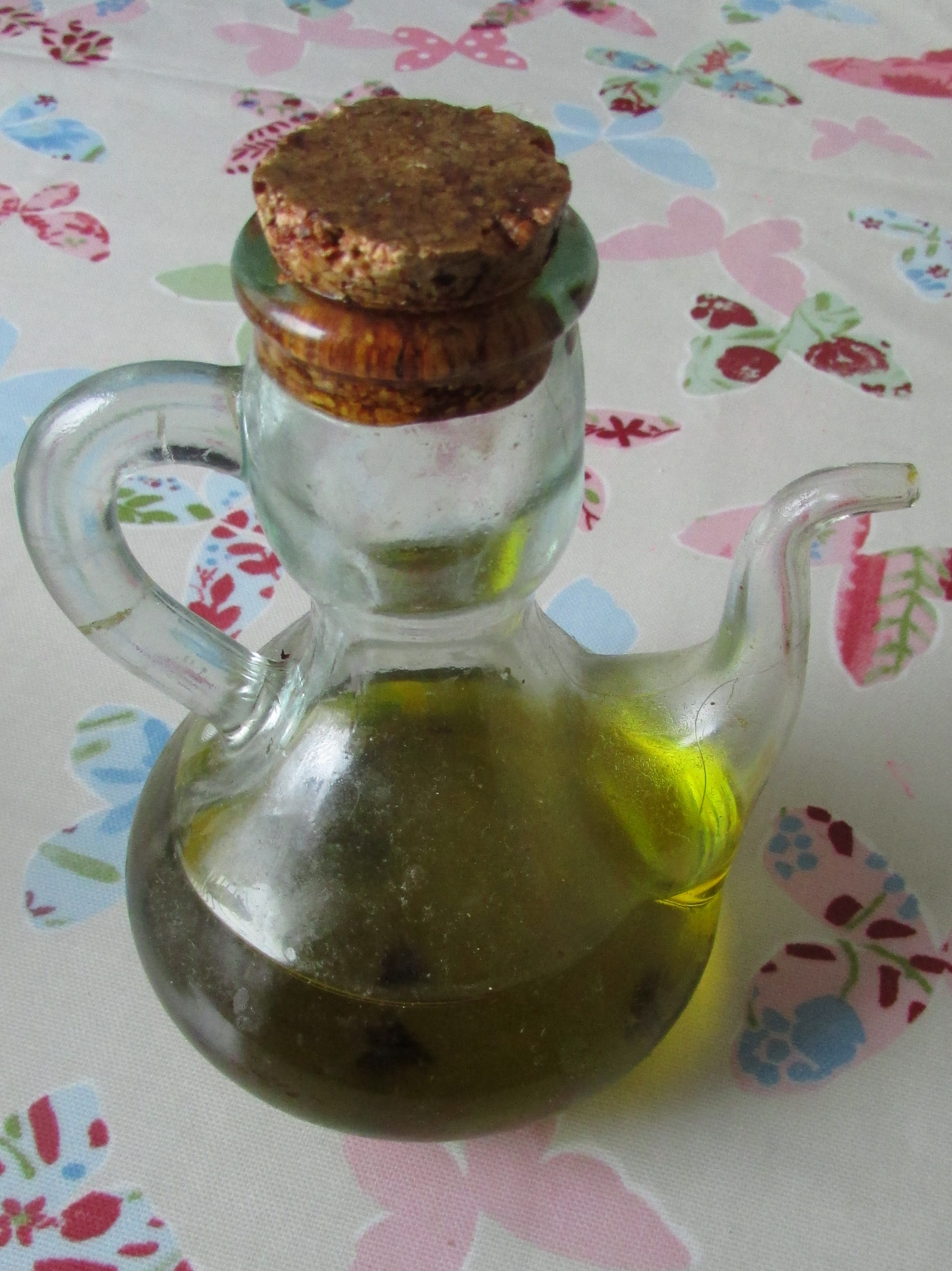
Olive oilI know for decades that we’ve been told that saturated fat in butter, full fat dairy and meat will make us fat and contribute to high cholesterol and heart disease. Whilst the likes of vegetable margarines and other sunflower spreads have been touted as the healthier option. Well it seems that we have got this all wrong. Research is now showing that these man-made oils can cause harm.

The oils that I’m talking about, extracted from seeds like Sunflower, Flaxseed, Soybean, Cottonseed, and a few others, were never available to humans until the 20th Century, because we simply didn’t have the technology to extract them in large quantities.

When technological advancements allowed it, these vegetable and seeds oils were extracted using high temperatures, bleaching, deodorizing and a solvent called hexane. Sadly these methods damage the delicate polyunsaturated vegetable and seed oils causing them to become rancid.

Hydrogenation, the process that turns liquid oils in to solid margarine, was also discovered and it was thought that we could create a healthier ‘butter’ using polyunsaturated vegetable and sunflower oils. The process became useful to the food industry because it extends the shelf life of food. As a result, hydrogenated oils are now included in all sorts of processed foods including ‘low fat’ salad dressings, butter replicates, mayonnaise, biscuits, cakes pastries etc. etc.

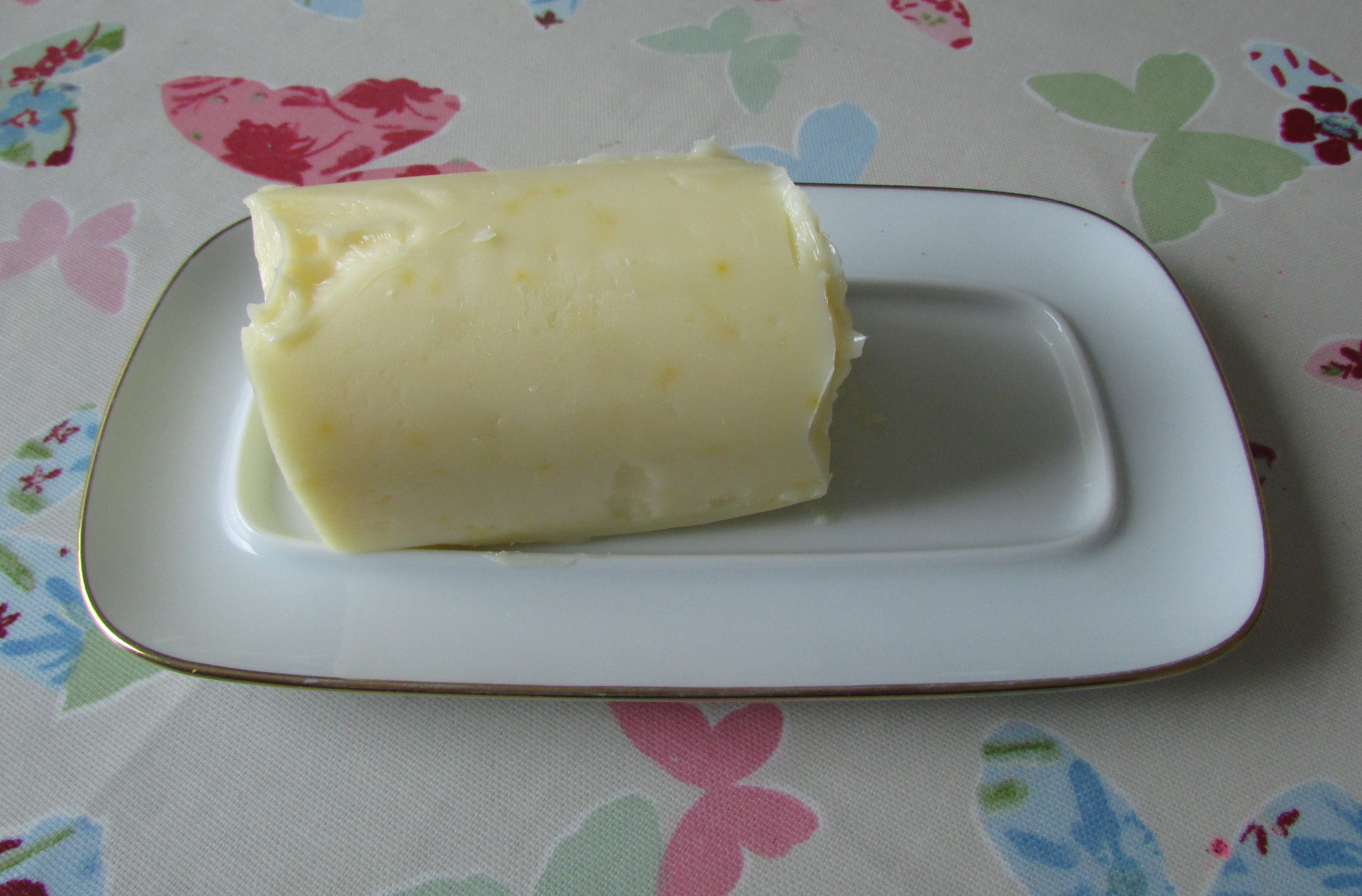
ButterHowever, the hydrogenation process changes the structure of the polyunsaturated oils in order to make them solid, causing them to become a Trans Fat – a type of man-made cholesterol. Research now shows that consumption of Trans Fats increases the risk of heart disease, raises bad cholesterol and promotes systemic inflammation and obesity, and that is why I suggest avoid them when pursuing a healthy diet.

By all means sprinkle raw sunflower seeds on your porridge and salads, but don’t use refined vegetable or seed oils unless they are of the cold pressed variety – which are very expensive.

Saturated fats on the other hand including butter, lard, coconut oil and olive oil are best for cooking, because they are the most stable at high heat and unlike polyunsaturated oils do not become damaged or toxic.

But isn’t too much saturated fat bad for your heart? I hear you cry. Yes I’m sure that overeating anything is bad for you, and I certainly would not recommend eating bacon and steak fried in butter every night. However, consuming saturated fat is not a new thing for man – it has always been a part of the human diet, and in moderation it can play an important role in health.

Did you know that…

1. Fat helps you absorb more vitamins.
If you eat your vegetables with a knob of butter or drizzle of olive oil, or your fruit with a spoonful of full fat yoghurt, you absorb more of the fat soluble vitamins in the fruit and vegetables that would otherwise pass through the body unabsorbed.

2. Low fat foods contain more sugar and chemicals.
Removing the fat out of food makes it unpalatable, so sugar and other chemical flavourings are added to improve taste.

3. We have fat receptor on our tongue
People that eat a very low fat diet don’t feel satiated and tend to eat more. This makes it difficult to lose or maintain a healthy weight.

4. Obesity levels have doubled in the last 35 years.
Since the introduction of processed oils and the ‘low fat’ diet 35 years ago, obesity levels have doubled.

5. We need saturated fat for strong bones.
Saturated fat is required for calcium to be effectively incorporated into bone.

6. Your brain is mainly made of fat and cholesterol.
A diet that skimps on healthy saturated fats robs your brain of the raw materials it needs to function optimally.

7. Cholesterol is the building block for sex hormones (testosterone, oestrogen, progesterone).
The production of sex hormones is important through all stages of life, from puberty, to the fertile years through to menopause.

8. There is actually no concrete evidence that demonstrates that saturated fat and cholesterol cause harm – this myth was built on hypothesis alone.

Over the past 30-40 years it has been so ingrained in our culture that saturated fat is bad for us that it’s going to take another few decades to get this message across. If you’d like to read more on this I recommend these articles in particular the one in the British Medical Journal.

Further reading

http://www.bmj.com/content/347/bmj.f6340
http://chriskresser.com/the-diet-heart-myth-cholesterol-and-saturated-fat-are-not-the-enemy

http://articles.mercola.com/sites/articles/archive/2011/09/01/enjoy-saturated-fats-theyre-good-for-you.aspx


Week 2 eating on a budget

So we are half way through our month of eating for £100! I’m feeling a sense of achievement this week as we’ve managed to cut our budget a great deal to get back on track from our overspend last week.

Budget chocolate beetroot fairy cakesI made a large chilli with Pegtop Farm Dexter beef mince, chickpeas and vegetables that lasted us two nights – one night with rice and the second with jacket potatoes. I also made a Frugal Fish Curry (recipe to follow) combined with the Dahl that I froze last week made a hearty meal for another two nights.

We ate our new favourite Vietnamese Rice Spring rolls and discovered a delicious pasta cabbage combination which I’ll post soon. We even managed to entertain and made beetroot chocolate cakes for Sunday afternoon tea.

Westmill Organics Veggie boxThis week we trialled Westmill Organics £10 veggie box for FREE, and were very impressed by the quality of vegetables.

One thing I’ve noticed over the past 2 weeks it that we are eating smaller portions. We’re also getting through much less meat, cheese, fish and eggs but compensating with lots more vegetables, beans and rice.

When you cook everything from scratch vegetables tend to be cheapest way to fill up and it got me thinking about how it was during the 1st and 2nd World War when food was scarce. So I did a little digging and found a fantastic BBC Article that talks about the idea of bringing back rationing to fight the obesity epidemic! Whilst this may be a little extreme, we were healthier as a nation when food was scarce. It seems that we’re not able to make healthy choices when given the freedom to buy what we want. Why is this I wonder?

One thing’s for certain, if proceeded foods didn’t exist and you had to feed your family with a budget of £100 a month it would simply be impossible to be overweight, and many of the health implications with being obese such as high blood pressure, heart disease, diabetes and joint problems would dramatically reduce saving the NHS billions. Something to think about.

Here’s a summary of what we spent

Dexter beef mince = £4.52
Vegetable box = FREE
Prawns = 80p
Rice Wraps = 40p
Pasta, rice, flour, olive oil & sugar from the larder = £2
Yoghurt = £1
Butter = £1
Tinned tomatoes x 2 = 64p
Salad & cherry tomatoes = £1.50
1 avocado = 50p
Creamed coconut = £1
Ground almonds = £1
7 Farm eggs = £1.40
Lemon & lime = 50p
Anchovies = 69p
Pollock = £1
Herbs & spices = 20p
Apples & bananas = £1.50

Week 2 Total = £19.75

Total spend for 2 weeks = £63.75

Pegtop farm mince beefI’ve still got quite a few vegetables leftover to cook this week and am planning to make roasted squash soup, beetroot and mackerel salad, more cabbage pasta as well as a chicken an leek pie. There’s also some hummus in the freezer that I’ll dig out for lunch, and I might even try my hand at some home made bread!

Thanks very much for reading and following. Your emails and comments are very welcome. Please continue to drop me a line if you have any frugal recipes or hot deals around Oxfordshire.
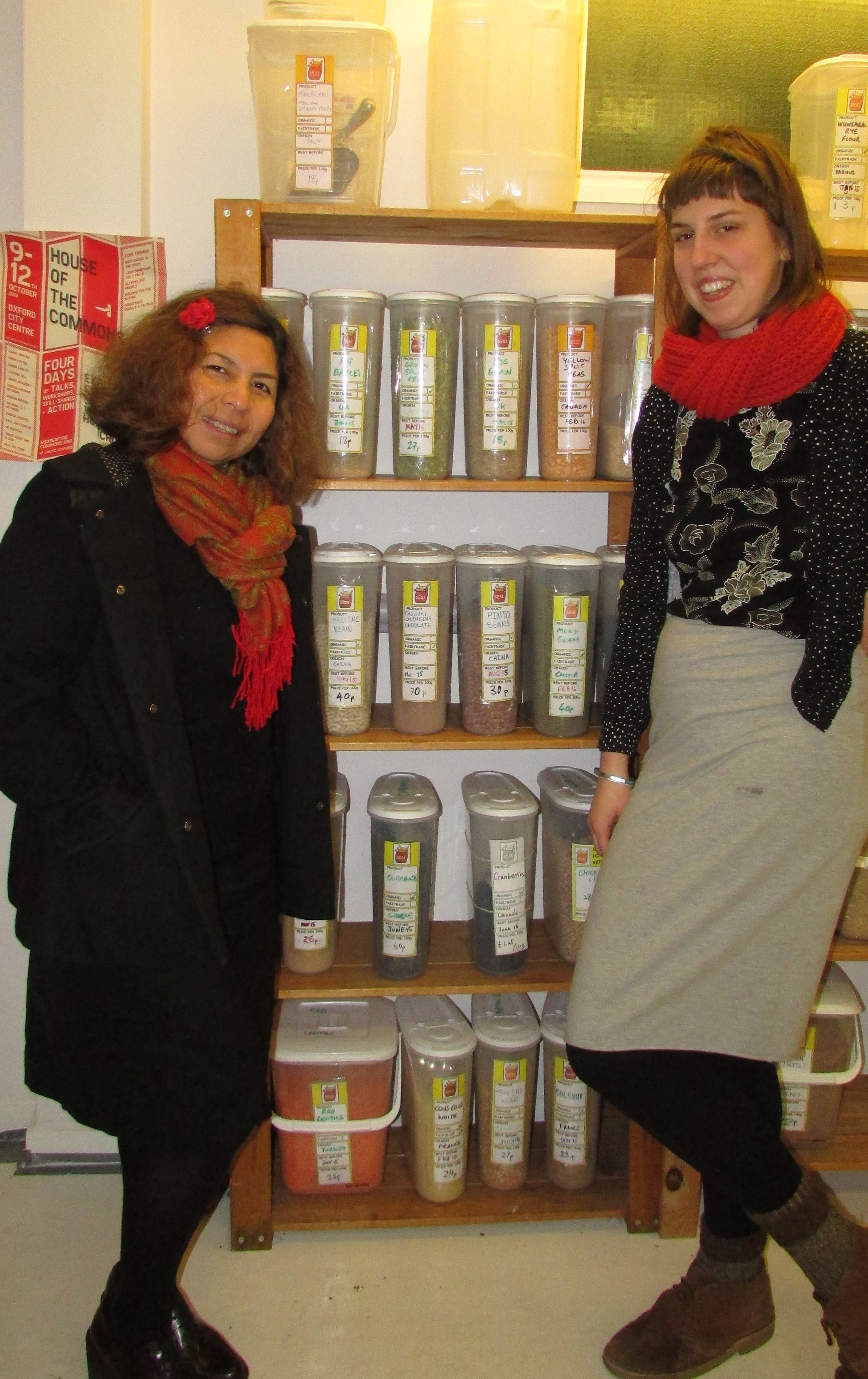
Sesi Food & Household

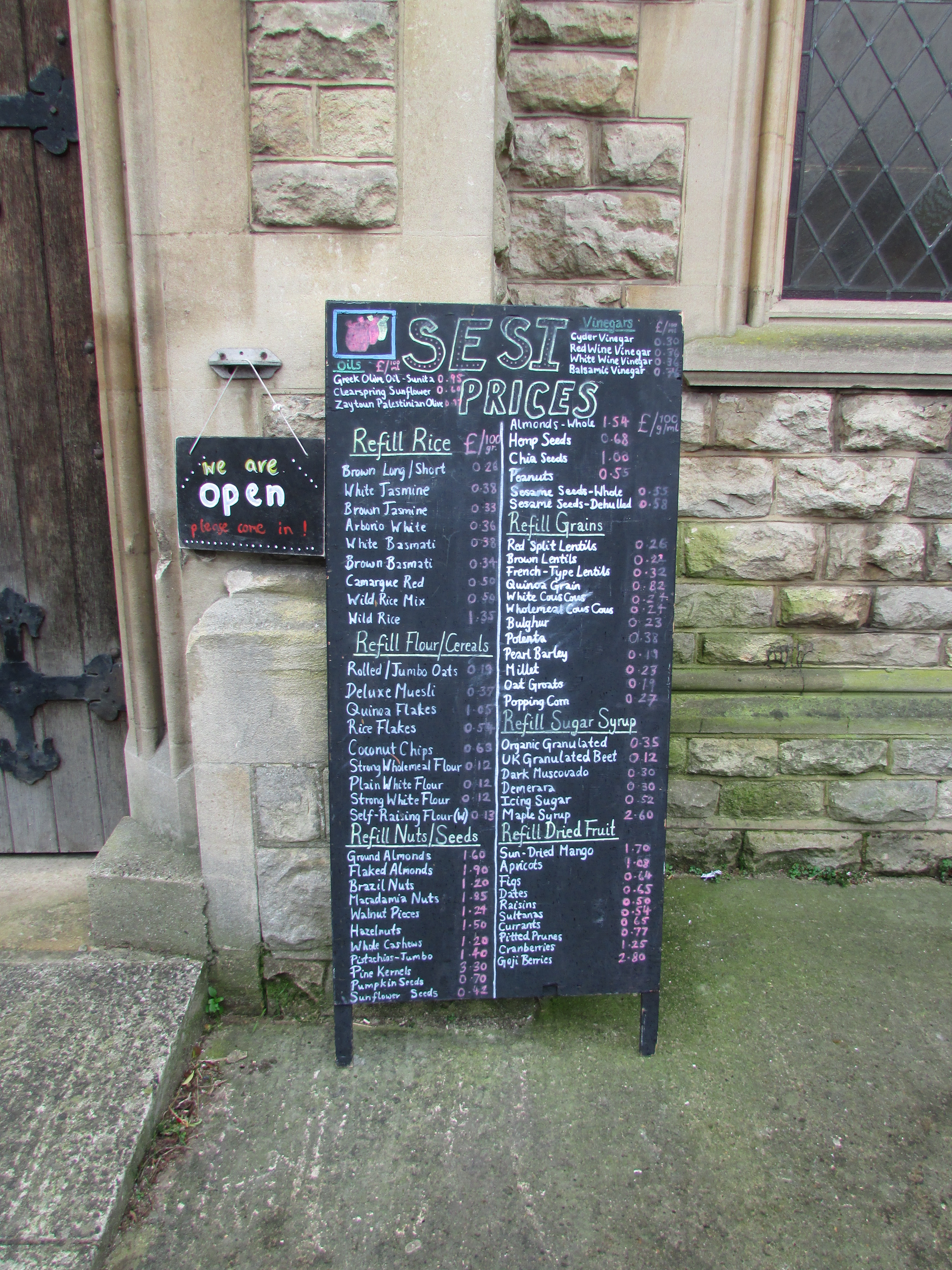
Sesi wholefoods dried beans, rice, oats and pulsesLast week I discovered a little gem of a shop held in the Methodist Church on Jeune Street, just off the Cowley Road, OX4. It was really quite a wonderful surprise to stumble across this incredibly environmentally considerate outfit.

Sesi (School Ethical Supplies Initiative) Food and Household are what they call a ‘refill station’ of local organic fair-trade food and eco-friendly household cleaning products. The idea is that you bring your own reusable containers, and fill up with the exact quantity of food or product that you require.

This means that if you want just 100g of cashews or quinoa for example you can have just that. Or if a recipe calls for 80g of dried borlotti beans you can buy just what you need, and no need to purchase more.

By reducing packaging and therefore minimising plastic waste, it means that Sesi can offer great organic and fair-trade products at very reasonable prices. Furthermore, by buying the exact quantity you need, often at the same price as it would cost to buy in bulk, there’s no unnecessary waste which is better for the planet as well as your pocket. It’s a fantastic scheme that I wish more shops would offer.

One of the most serious threats to our oceans is plastics pollution. Plastic constitutes approximately 90% of all trash floating on theSesi wholefoods and home cleaning products ocean’s surface, with 46,000 pieces of plastic per square mile. Unlike other types of rubbish, plastic is not biodegradable. Instead, it photo-degrades with sunlight, breaking down into smaller and smaller pieces, which never really disappear. These plastic pieces are then eaten by marine life, washed up on beaches, or broken down into microscopic plastic dust, attracting more debris.

Here’s some plastic facts that might shock you….

  • 50 percent of plastic is used just once before being throw away.
  • Enough plastic is thrown away each year to circle the earth four times.
  • We currently recover only five percent of the plastics we produce.
  • More than one million plastic bags are used every minute.
  • The majority of plastic bags are not recycled and instead sit in landfills.
  • It takes 500-1,000 years for plastic to degrade.
  • The Great Pacific Garbage Patch in California, is the largest ocean garbage site in the world. This floating mass of plastic is twice the size of Texas, with plastic pieces outnumbering sea life six to one.
  • One million sea birds and 100,000 marine mammals including turtles are killed every year from plastic in our oceans.
  • More than 1.6 billion gallons of oil are used each year to make plastic bags.

If we could just say no to plastic bags we would be slowing down the waste in landfill sites, save billions of animals from dying and stop the depletion of the Worlds oil reserves.

I think the Sesi team are doing a fantastic job at getting the ball rolling on this mammoth task. It’s important to remember that we can all do our bit to help save the environment as well as our pennies. I’m certainly going to make a concerted effort to carry my re-usable bags with me at all times.

SESI, School Ethical Supplies Initiative info

Nuts and seeds sesiSesi sells ethical dried goods, Ecover/BioD refills, organic lentils in bulk, fairtrade chocolate, tins, gluten-free pasta, local and gluten free whole foods refills etc. You can order via the order forms on the website (www.sesi.org.uk) and pick up or just pop into this handy new shop and see what they have in store.

Opening hours: Depot at Jeune Street Methodist Church open Mon – Fri 10am – 4pm. Home deliveries Mon 7-9pm, also to be found at East Ox Farmers Market on 1st & 3rd Saturdays and Wolvercote Farmers Market 2nd Sunday of the month, and at the Gloucester Green Farmers Market on Wednesdays too.

Week 1 eating on a budget

I have to admit, the last week has been exhausting. Sourcing all the budget produce, cooking it up, making sure there’s no waste and then writing about it. E-X-H-A-U-S-T-ING!

But now we’re in the swing of things it’s getting easier.

£10 veg and fruit box from The Garden Market at EynshamLast week I trialled a beautiful £10 veggie box from The Market Garden at Eynsham, which I then based all my family meals around.

I sourced a free range chicken from Cowley Road butchers Alders which I turned into 3 family meals including roast chicken, chicken and chickpea curry as well as boiling the bones for the tastiest Butternut squash soup I’ve ever made.

We used up leftover Christmas cheese and made our own kale pesto.

Frugal organic peanut butter hummusI discovered the art of soaking and boiling pulses when I made my own frugal peanut butter hummus. I then kicked myself for not doing this sooner and saving a tonne of money!

My husband took leftovers to work every day, and we made buttery flapjacks instead of buying the usual after school snacks.

Lastly I bulk cooked a few meals to be stored in the freezer for the weeks ahead.

Vietnamese rice wraps and asian coleslaw 2The highlights so far were Friday night’s home made prawn and rice spring rolls with Asian coleslaw (recipe to follow), and having friends over for Brunch on Saturday morning where we cooked up a bubble and squeak storm and tried out those delicious Headington Market Farm eggs.

Yes, I can’t believe we actually managed to entertain when on a tight budget. But hang on a minute, let’s see how the purse strings are doing….


Here’s a list of everything bought and how much it cost:

1 x Veggie box = £10
Spaghetti squash = £1
1 red pepper = 20p
Cabbage = £1
Farm eggs = £1.20
Chicken = £4
Butter = £1
Natural yoghurt = 50p
2 tins tuna = £1
Bulk organic Oats = £5
Lemon & lime = 50p
1 large tin of spinach – £1.29
Dried chickpeas = £1.99
Dried split peas = £1.99
Oranges & bananas = £2
Pasta, rice, olive oil & sugar from the larder = £2
Rice spring roll wraps  = £1.99 (for 40)
Tinned tomatoes x 2 = 64p
Salad & cherry tomatoes = £2
Creamed coconut = £1
Prawns = £1
Peanuts = £4

Total = £44

frugal bubble and squeak brunch recipeConsidering we’ve got enough oats, chickpeas and yellow split peas to last us a month, I’ve made 3 jars of peanut butter, there’s enough Dahl and spinach in the freezer for another family meal, I’ve definitely got enough veggies and wraps for more spring rolls next week, we’re not doing too badly. Plus I’m sure I’ll get more efficient as the weeks go on.

If you’ve been reading and following, thank you. I’d love some feedback or any frugal recipe ideas. Please drop me a line or leave me comments below.

Budget breakfasts for the family

I was on BBC Radio Oxford yesterday talking about the importance of breakfast, and it occurred to me that you’ve probably been wondering what we’ve been eating for breakfast all week.

Porridge with nuts, seeds and appleWhen you’re on a budget, toast and cereal seem the only viable option. After all, with 20 servings in a box of Coco pops only costing £3, and a loaf of supermarket bread costing only 50p that does seem attractive.

However, it turns out that in many stores the ‘freshly baked bread’ isn’t fresh at all —it’s been cooked weeks before in a factory miles away and sent frozen to be re-heated in that in-store ‘bakery’. It therefore contains many preservatives and additives often not listed on the label to stop it from going stale – yuk! So for a healthy diet, supermarket bread is out the question I’m afraid.

When it comes to choosing cereals, even healthy products such as Bran flakes, Special K Oats & Honey or most granola’s contain over 20% sugar. Whilst Froot Loops, a cereal marketed at children, contain a whopping 41% sugar – that’s nearly 3 times more sugar than a McDonalds apple pie! The UK Food Standards Agency stipulates that a sugar content of 15% is considered high, and any food containing this amount should be limited.

Furthermore, since the 1930’s, packaged breakfast cereals have been produced via the method of extrusion; a process that ensures that a product has uniformity. For example, Cheerio’s are all the same shape and size. You can read about the process here.

Unfortunately this method uses high temperatures which damage important nutrients including raw food enzymes, vitamins and minerals. This is why cereals are often fortified with vitamins – otherwise they wouldn’t contain any at all! Furthermore, research shows that extruded grains are in fact toxic to the nervous system.

These high sugar commercially boxed cereals have been around for less than 100 years. You could call them a fad of the 20th Century! If you look at traditional breakfasts from around the world – eggs, beans and corn tortilla in Mexico, Dosa (lentils pancake) in India, and rye bread, meats and cheese in Germany you’ll get a better idea of what we should be eating.

But how can we get a healthy filling breakfast without busting the budget?

My answer is OATS! A traditional Celtic breakfast!

Melissa eating oats and strawberries for breakfastOats are a modest grain yet highly nutritious! One cup of oats will supply nearly 70% of your daily needs for manganese, a mineral that helps enzymes in bone formation. You’ll also get a generous helping of vitamin B1, magnesium and potassium.

Among all grains, oats have the highest proportion of soluble fibre. This type of fibre absorbs water and substances associated with high blood cholesterol on transit in the gut. Studies show that people with high cholesterol who eat just 3 g of soluble fibre per day can reduce their total cholesterol by 8%!

Also good for digestion, the fibre in oats sweeps like a broom through the intestines, moving food effortlessly along and helping to prevent constipation. Studies show that people with reflux and heartburn who eat a high fibre diet  experience fewer symptoms.

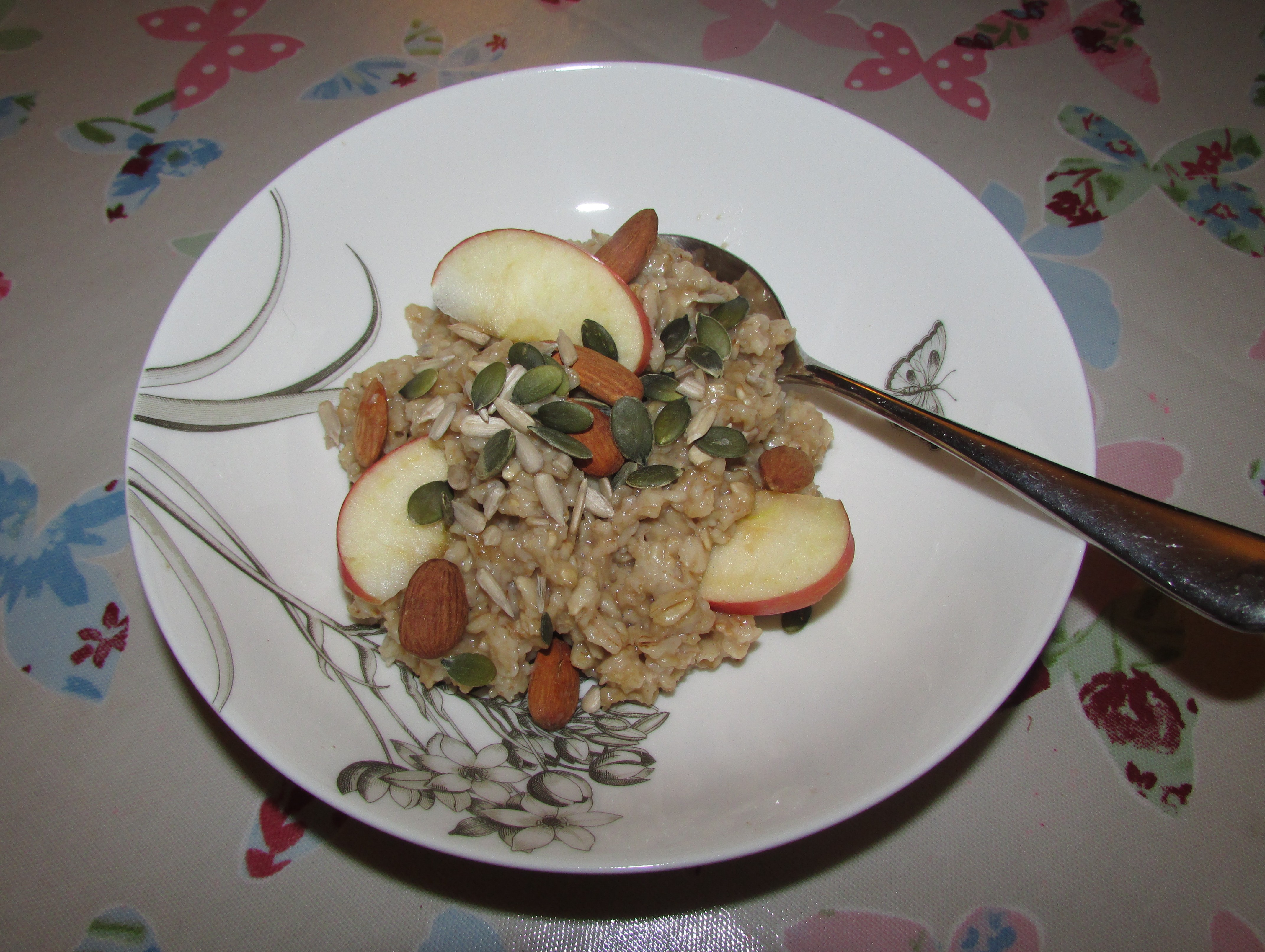
We love porridge in our house hold. My daughter has eaten it since she was a baby, and we have it for breakfast most days sprinkled with nuts, seeds and natural yoghurt, or Melissa’s preferred way – with peanut butter (see our frugal home-made peanut butter recipe here). If you’re not a fan of porridge you may want to try this simple flapjack recipe to receive the benefits of oats.

frugal bubble and squeak brunch recipeAt weekends, with a little more time on our hands, our preferred brunch is eggs using beautiful farm eggs from Headington Farmers Market. Our budget bubble and squeak and poached egg (recipe here) or our Mexican spicy eggs on a corn tortilla with guacamole (recipe here) are firm favourites!

If you have a favourite budget breakfast or brunch please do share the idea or recipe here. Thanks for reading!

Waste not want not

Local mushrooms at The Garden Market at EynshamAs we approach the end of our first week of eating on a budget, I take a look in our fridge and it is beginning to look bare. My first thought is ‘what are we going to eat over the weekend’? We usually have plenty of options to choose from. This thought however, is closely followed by the realisation that for the first time in a long while, I don’t have lots of food that has reached its sell-by-date, or is going mouldy at the back of the fridge and needs to be thrown away.

Almost 50% of the total amount of food thrown away in the UK comes from our homes. We throw away 7 million tonnes of food and drink from our homes every year in the UK, and more than half of this is food and drink we could have eaten.

Wasting this food costs an average household £470 a year, rising to £700 for a family with children, the equivalent of around £60 a month.

That’s over 50% of the entire budget we’re aiming to meet for January 2015!

There are two main reasons why we throw away good food: we cook or prepare too much or we don’t use it in time. The foods we waste the most are fresh vegetables and salad, drink, fresh fruit, and baked items such as bread and cakes.

Yes our meals this week have been a little less exciting, and we’ve often eaten leftovers for lunch that we haven’t really fancied. But on the plus side we HAVE LESS WASTE!

I’ve noticed myself scrimping on every item. I’m using less butter and oil when I cook. I scrub carrots instead of peeling, so as not to waste the skins. I’ve even thought of 3 different things I can do with a humble cabbage! Yes we’ve eaten cabbage 3 times this week, and have I had any complains? No, because locally organic produce tastes great! Plus, I’ve valued my vegetable more than normal and treated it with respect. I’ve tried to be imaginative with what we’ve got, and yes it’s taken more time and energy but if that’s going to improve our health and finances then it’s worth it!

Crustless spinach quicheI’ve noticed my daughter who can be fussy, eating well this week. Perhaps it’s because she’s back at school and hungry, but maybe it’s because there are none of the usual snacks she might fill up on. I’ve taken a ‘this is it, or there’s nothing else’ approach and it seems to have worked. After all, not liking certain foods is a 1st world problem. You wouldn’t hear a child in Africa complain that they didn’t want to eat the dinner their mum had prepared.

We’ve all become too choosy, too wasteful, and that includes me too! If there’s something I’ve been taught this week, it’s that we can eat less and not want for more.